Incline Dumbbell Chest Fly
enums.exercise_tag.STRENGTHenums.exercise_tag.PUSH
exercise_detail.body_part: enums.body_part.CHEST
exercise_detail.description
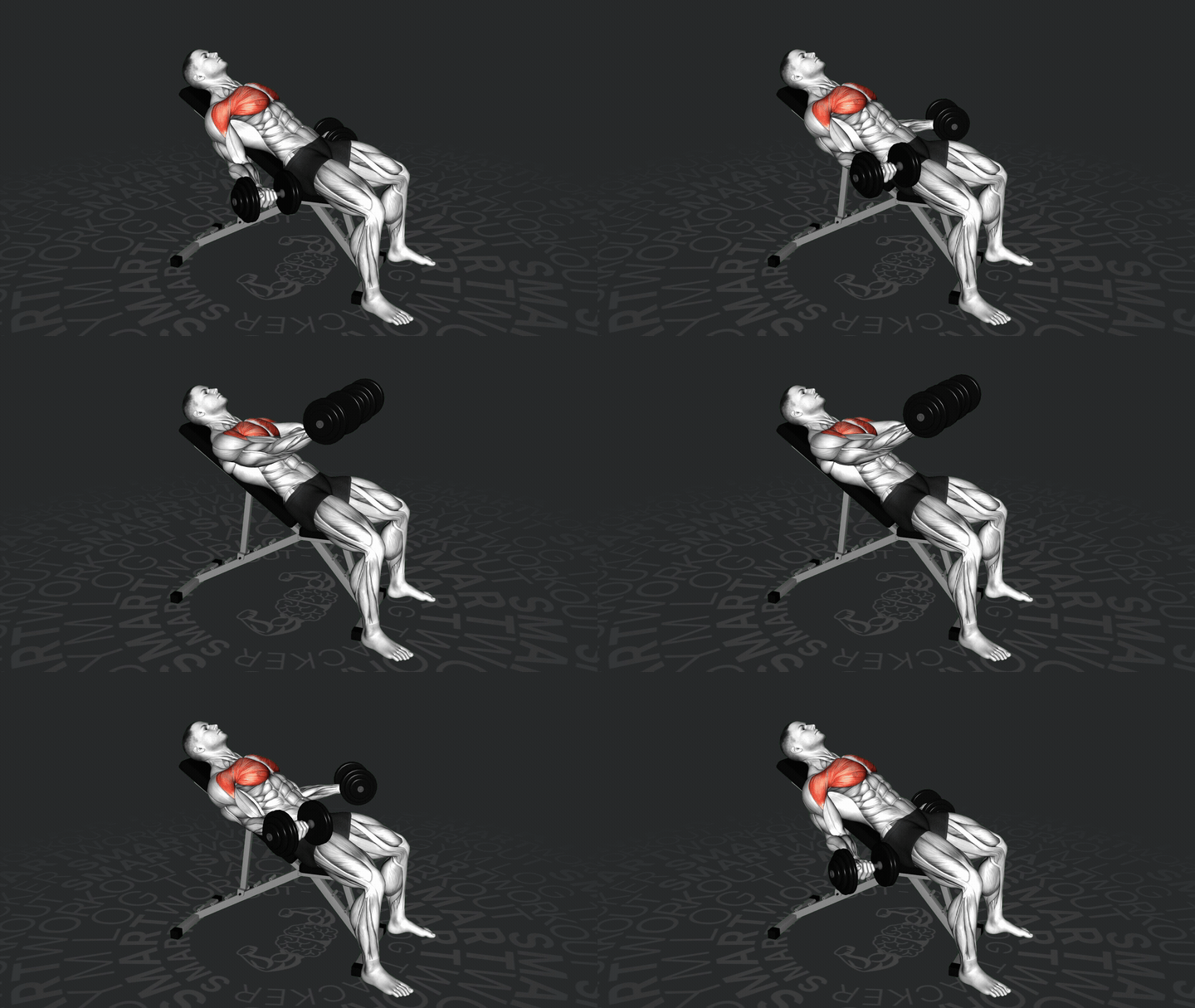
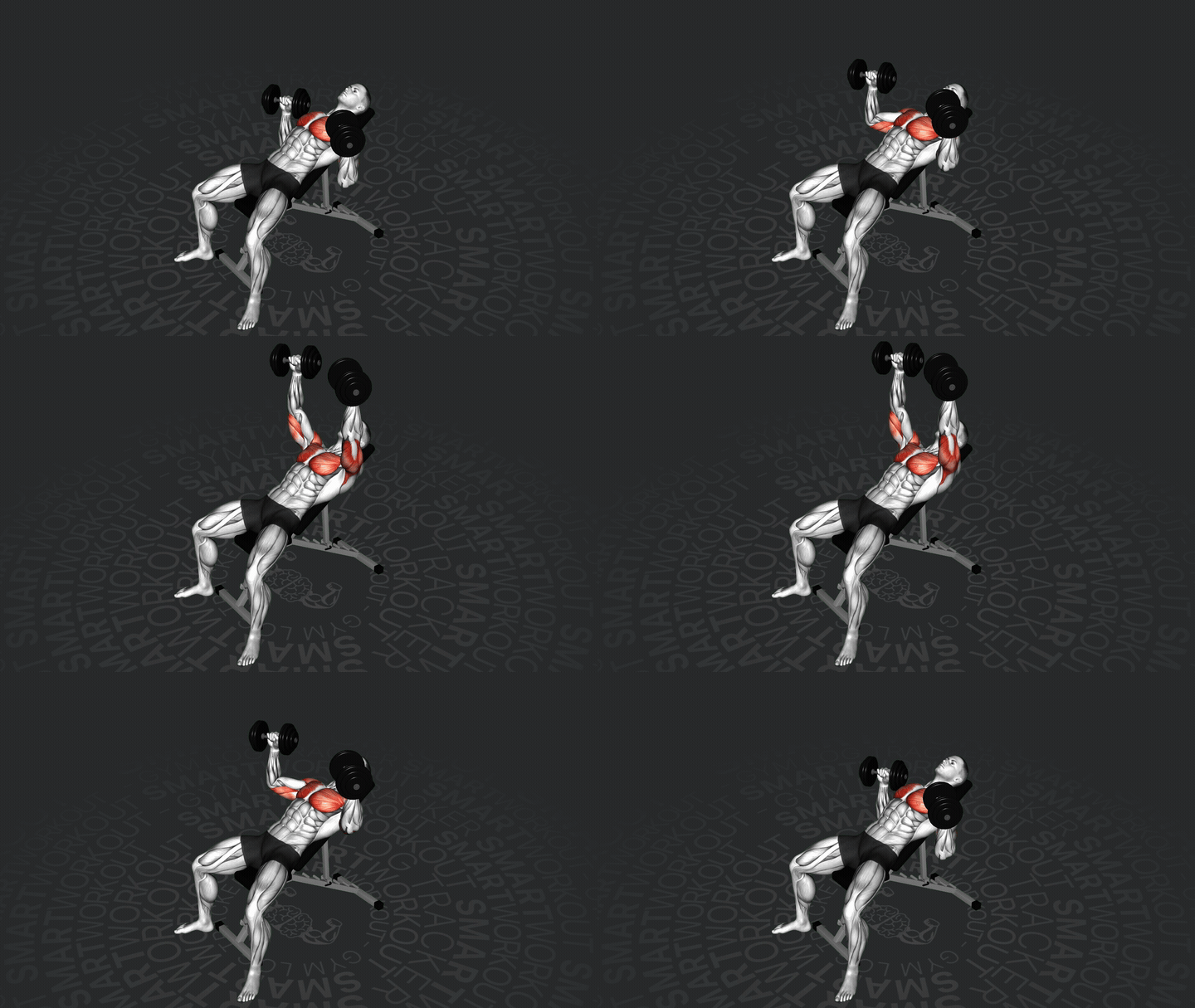
The Incline Dumbbell Fly is an isolation exercise targeting the pectoral muscles, specifically the upper chest. It involves lying on an incline bench and moving dumbbells in a wide arc to engage the chest muscles effectively. This exercise helps in developing the upper portion of the pectoralis major, enhancing chest definition and strength.
exercise_detail.how_to_perform
- Set an incline bench to a 30-45 degree angle.
- Sit on the bench with a dumbbell in each hand, resting them on your thighs.
- Lie back on the bench and lift the dumbbells above your chest with palms facing each other.
- Slightly bend your elbows and lower the dumbbells in a wide arc until you feel a stretch in your chest.
- Keep your elbows slightly bent throughout the movement to protect your joints.
- Bring the dumbbells back up in a controlled manner to the starting position, squeezing your chest at the top.
- Repeat for the desired number of repetitions.
exercise_detail.what_muscles_work
exercise_detail.primary_muscle:
exercise_detail.secondary_muscles:
exercise_detail.tips
- Ensure your back is firmly pressed against the bench to maintain stability.
- Control the movement; avoid letting gravity pull the weights down too quickly.
- Focus on feeling a stretch in your chest rather than how far you can lower the dumbbells.
- Keep your core engaged to support your lower back during the exercise.
- Exhale as you lift the dumbbells and inhale as you lower them.
- Avoid locking out your elbows at the top of the movement to maintain tension on the chest.
exercise_detail.common_mistakes
- Allowing elbows to drop too low, causing excessive shoulder strain.
- Using too heavy weights, compromising form and control.
- Failing to maintain a slight bend in the elbows, leading to joint stress.
- Arching the back excessively, reducing chest engagement.
- Lifting the dumbbells too high above the chest, limiting range of motion.
- Moving the arms too quickly, losing muscle tension and control.
- Not keeping shoulders retracted, reducing chest activation.
- Allowing wrists to bend, leading to potential strain.
exercise_detail.recommended_exercises
exercise_detail.recommended_exercises_intro
exercise_detail.app_ad.title
exercise_detail.app_ad.description