One-Arm Dumbbell Incline Bench Press
Track One-Arm Dumbbell Incline Bench Press in SmartWorkout and watch your numbers go up
Log sets, weights and progress for free, with no workout limits.


Description
The One-arm Dumbbell Incline Bench Press is a unilateral exercise that targets primarily the pectoral muscles, specifically the upper chest, while also engaging the triceps and shoulders. Performing this exercise on an incline bench helps emphasize the upper part of the chest, providing a balanced development of the pectoral muscles.
How to Perform
- Set an incline bench to a 30-45 degree angle.
- Sit on the bench with your feet flat on the floor, maintaining a stable base.
- Hold a dumbbell in one hand with a neutral grip (palm facing inward).
- Lie back on the bench, ensuring your back is fully supported and your shoulder blades are retracted.
- Position the dumbbell at shoulder height with your elbow bent at approximately 90 degrees.
- Press the dumbbell upward by extending your arm until it is fully extended above your chest.
- Pause briefly at the top, ensuring your arm is straight but not locked out.
- Lower the dumbbell slowly back to the starting position at shoulder height.
- Complete the desired number of repetitions before switching arms.
What Muscles Work
Primary Muscle:
Secondary Muscles:
Tips
- Keep your core engaged to maintain stability throughout the movement.
- Focus on controlled movements; avoid using momentum to lift the weight.
- Ensure your wrist remains in a neutral position to prevent strain.
- Breathe out as you press the dumbbell up and inhale as you lower it down.
- Start with a lighter weight to master form before increasing resistance.
- Maintain even pressure through both feet to stabilize your body during the lift.
Common Mistakes
- Allowing the shoulder blade to lift off the bench, reducing stability and muscle engagement.
- Flaring the elbow out too wide, which can strain the shoulder joint.
- Arching the lower back excessively, leading to poor form and potential discomfort.
- Dropping the dumbbell too low, causing unnecessary stress on the shoulder.
- Using momentum to lift the weight instead of controlled muscle engagement.
- Failing to keep the wrist straight, leading to improper force distribution.
- Not aligning the dumbbell directly above the shoulder joint at the top of the press.
- Neglecting to engage the core, resulting in a lack of overall body stability.
- Rushing through the movement, compromising control and effectiveness.
Recommended Exercises
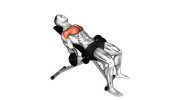
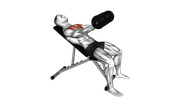
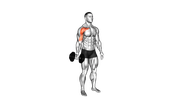
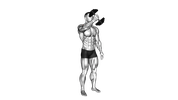
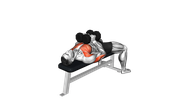
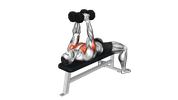
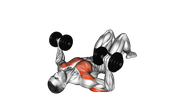
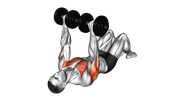
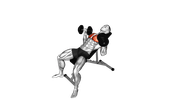
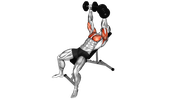
Explore exercises related to One-Arm Dumbbell Incline Bench Press for chest training and similar movement patterns.
Choose a workout plan or create your own - for free
Ready-made plans for every goal, a free plan creator, hundreds of exercises and an advanced workout journal - all in SmartWorkout.