Band Reverse Hyperextension
enums.exercise_tag.STRENGTHenums.exercise_tag.REHABenums.exercise_tag.FUNCTIONAL
exercise_detail.body_part: enums.body_part.GLUTEUS
exercise_detail.description
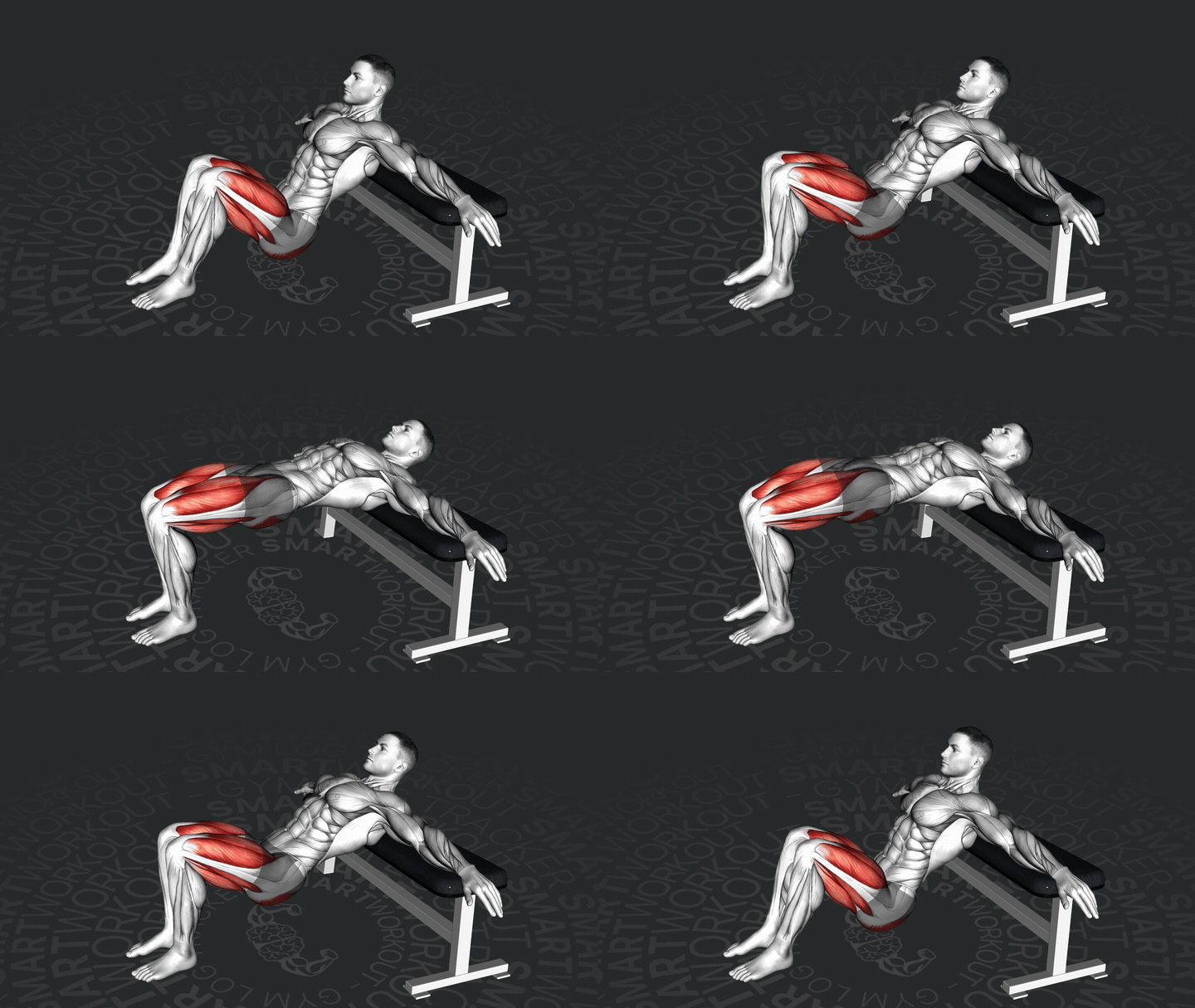
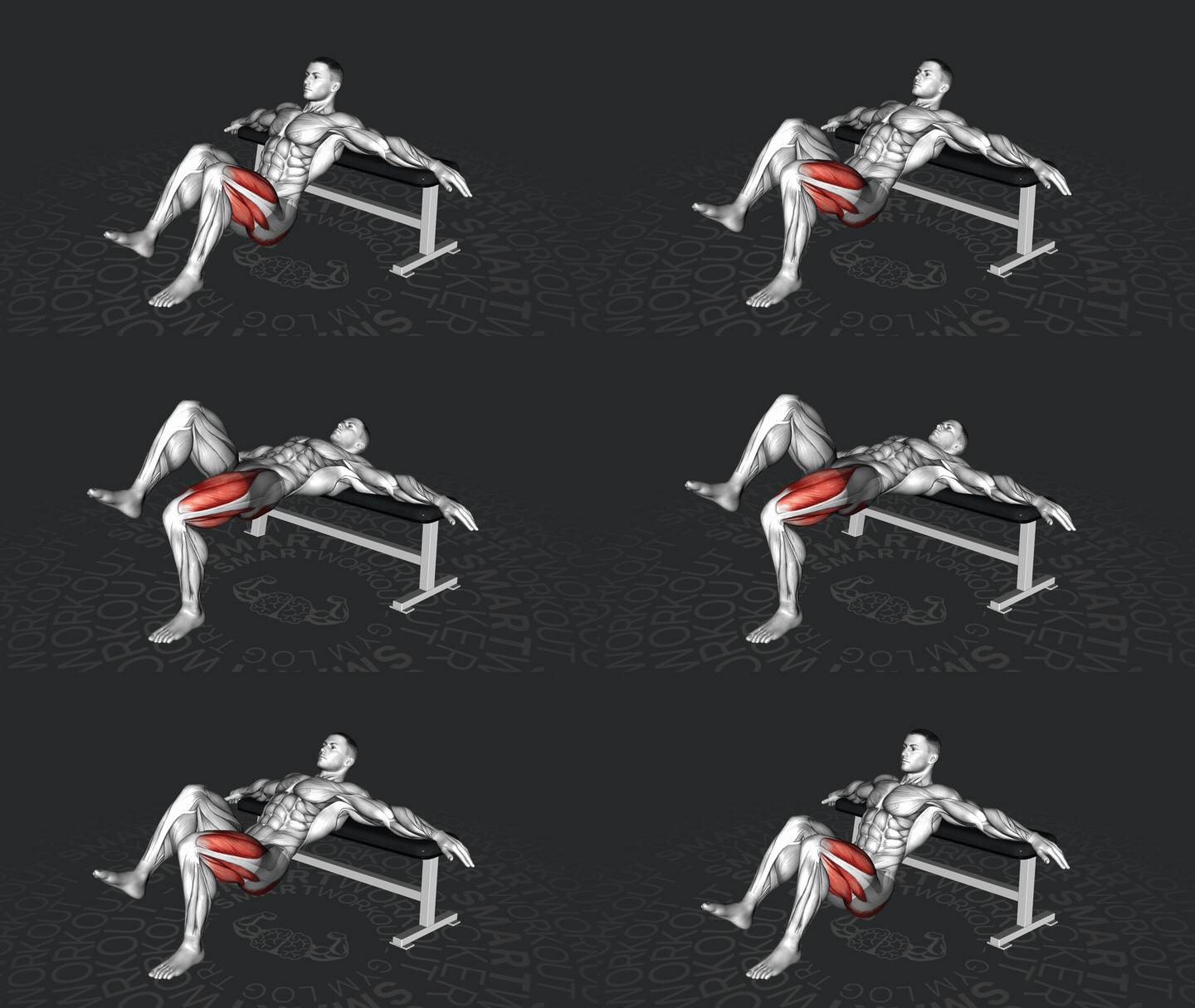
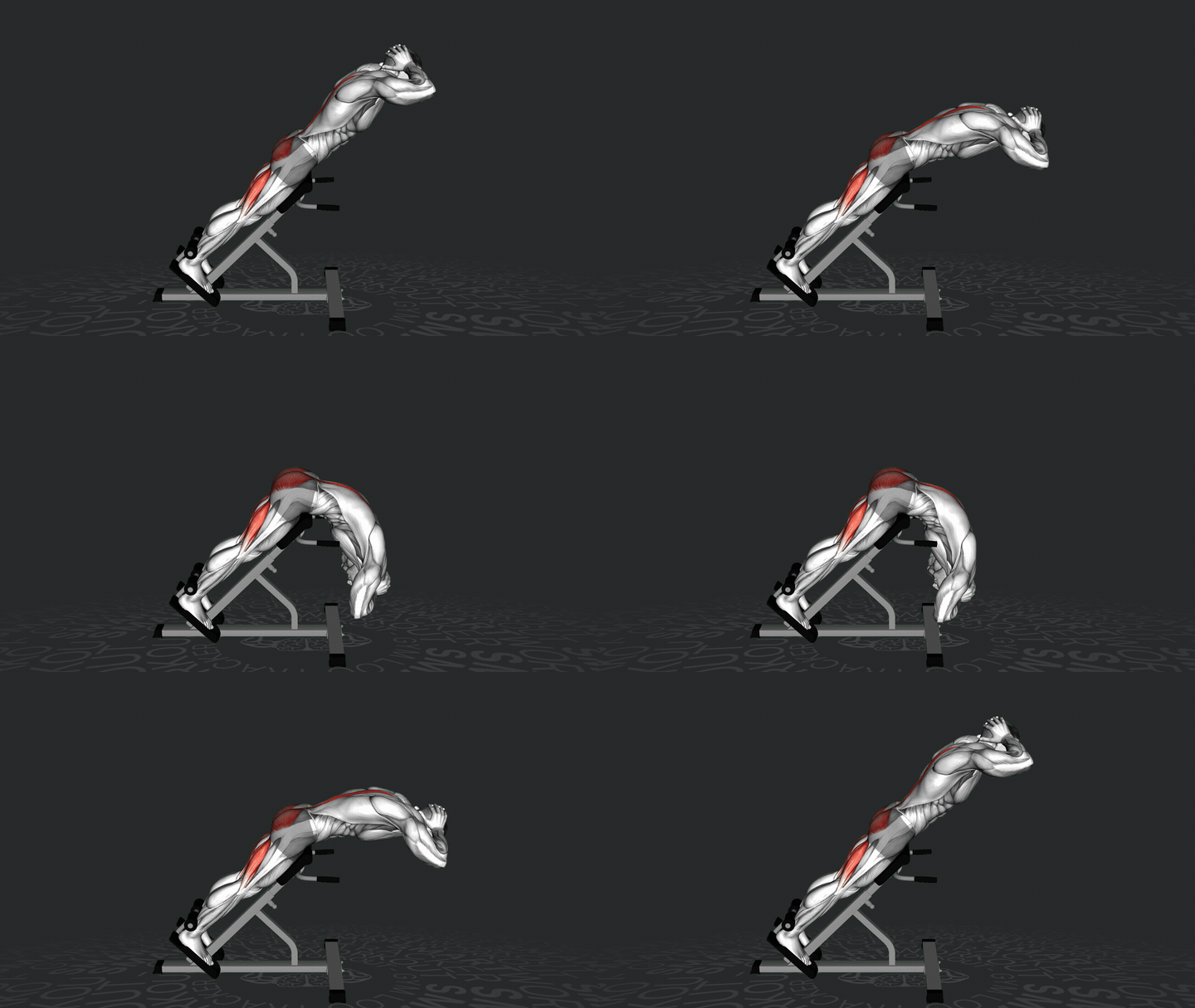
The Band Reverse Hyperextension is an exercise targeting the lower back, glutes, and hamstrings. It involves extending the hips while lying face down on a bench or platform, using resistance bands to add tension and improve muscle activation.
exercise_detail.how_to_perform
- Secure a resistance band to a stable anchor point at floor level.
- Lie face down on a bench with your hips at the edge and legs hanging off.
- Loop the resistance band around your ankles.
- Grip the sides of the bench for stability.
- Engage your core and glutes, then lift your legs upward by extending your hips.
- Raise your legs until they are in line with your torso, keeping them straight.
- Pause briefly at the top of the movement, squeezing your glutes.
- Slowly lower your legs back to the starting position in a controlled manner.
- Repeat for the desired number of repetitions.
exercise_detail.what_muscles_work
exercise_detail.primary_muscle:
exercise_detail.secondary_muscles:
exercise_detail.tips
- Ensure the resistance band is securely anchored to prevent slipping during the exercise.
- Maintain a neutral spine throughout the movement to avoid lower back strain.
- Focus on squeezing your glutes at the top of each repetition for maximum activation.
- Control the descent of your legs to maintain tension in the muscles and avoid momentum.
- Adjust the resistance band tension by changing its length or using a different band strength if needed.
exercise_detail.common_mistakes
- Arching the lower back excessively during the movement.
- Using momentum instead of controlled muscle engagement.
- Allowing the band to slack, reducing tension and effectiveness.
- Raising the legs too high, causing hyperextension of the spine.
- Failing to engage the glutes and hamstrings properly.
- Positioning the body too far forward or backward on the bench.
- Not keeping the core engaged, leading to instability.
- Performing the exercise too quickly, sacrificing form for speed.
exercise_detail.recommended_exercises
exercise_detail.recommended_exercises_intro
exercise_detail.app_ad.title
exercise_detail.app_ad.description