Barbell Rear Lunge On Step
enums.exercise_tag.STRENGTHenums.exercise_tag.BALANCEenums.exercise_tag.FUNCTIONAL
exercise_detail.body_part: enums.body_part.GLUTEUS
exercise_detail.description
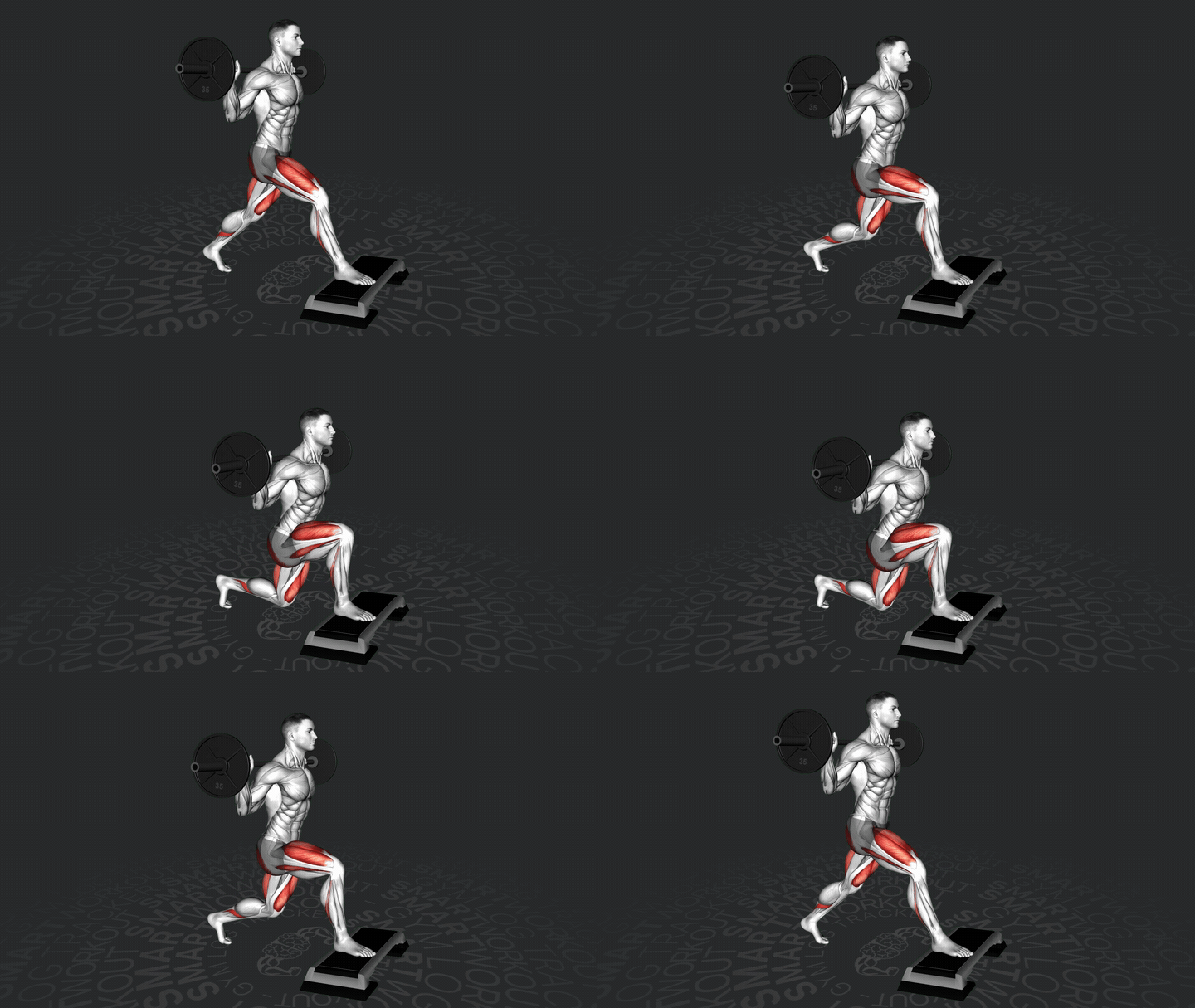
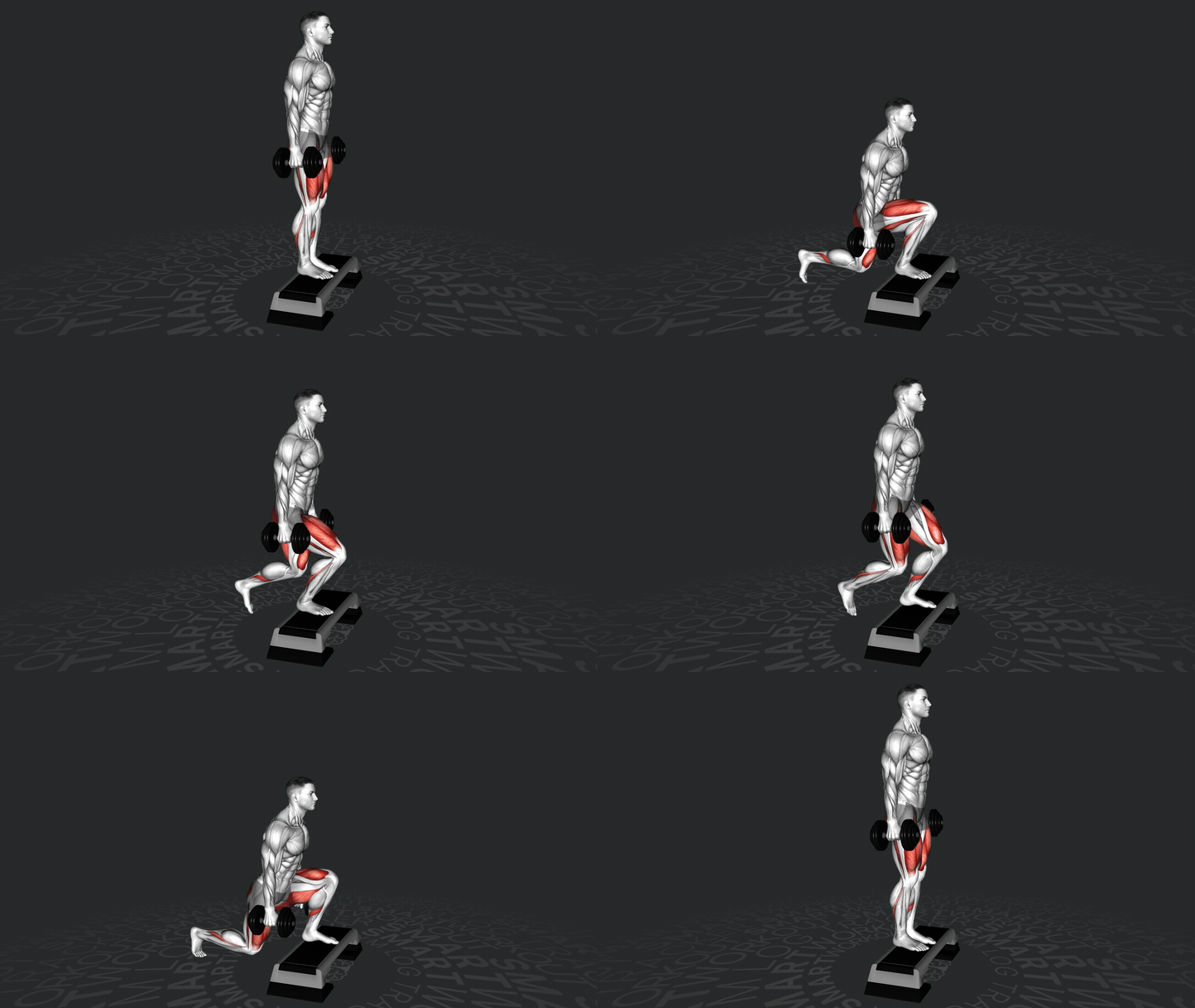
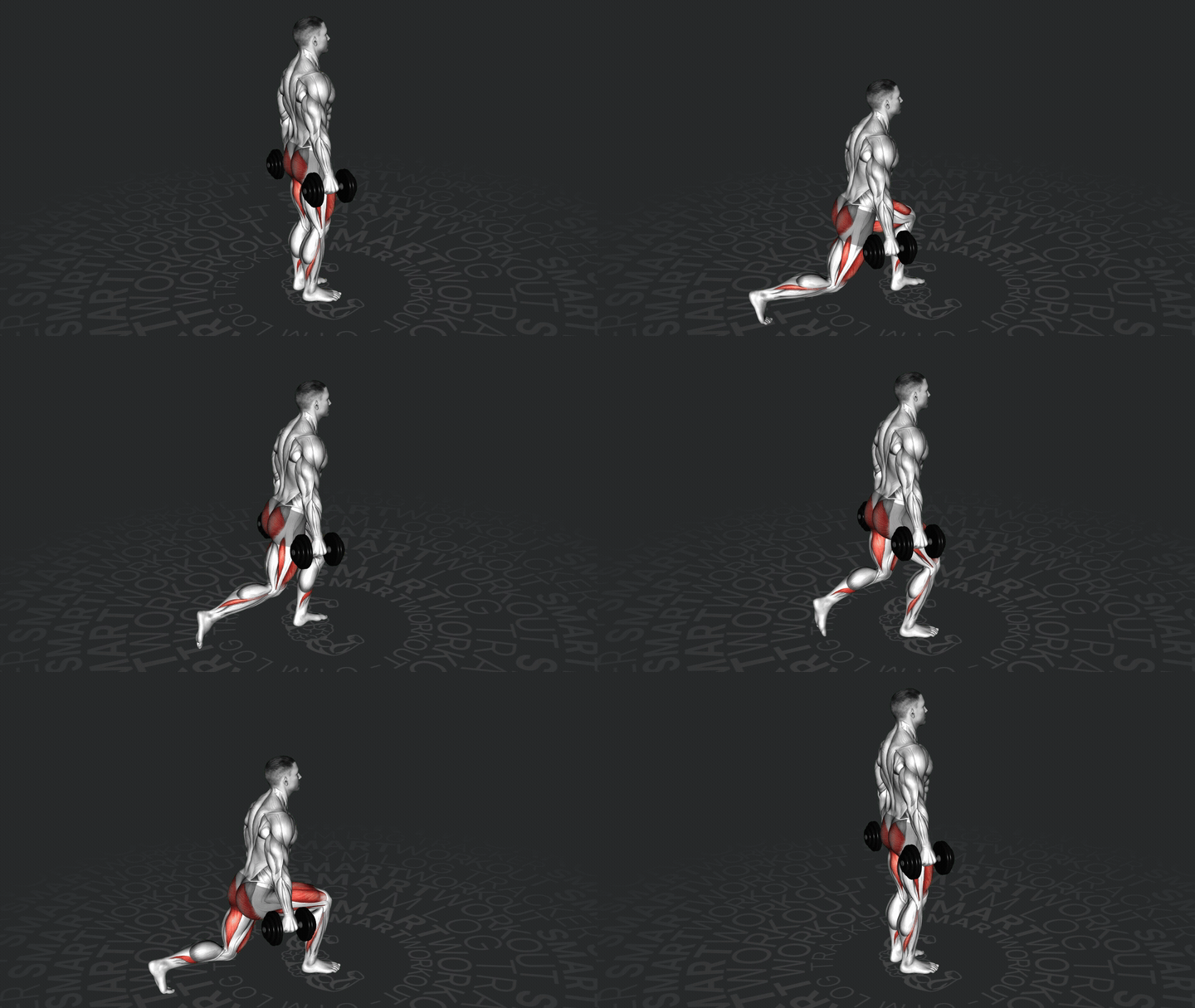
The Barbell Rear Lunge On Step is a compound lower body exercise that targets the quadriceps, hamstrings, glutes, and calves. By incorporating a step, this variation increases the range of motion and challenges balance and coordination.
exercise_detail.how_to_perform
- Begin by standing upright with your feet shoulder-width apart, holding a barbell across your upper back with an overhand grip.
- Position a step or platform behind you at a comfortable distance.
- Engage your core and maintain an upright torso throughout the movement.
- Step back with one leg onto the step, lowering your hips until both knees are bent at approximately 90 degrees.
- Ensure your front knee is aligned over your ankle and does not extend past your toes.
- Push through the heel of your front foot to return to the starting position.
- Repeat for the desired number of repetitions before switching legs.
exercise_detail.what_muscles_work
exercise_detail.primary_muscle:
exercise_detail.secondary_muscles:
exercise_detail.tips
- Keep your chest lifted and shoulders back to maintain proper posture.
- Focus on a slow and controlled descent to maximize muscle engagement.
- Use a mirror to check form and ensure your knees are tracking correctly over your toes.
- Start with a lighter weight to master the technique before progressing to heavier loads.
- Engage your core muscles throughout the exercise to help stabilize your body.
exercise_detail.common_mistakes
- Allowing the front knee to cave inward, reducing stability and increasing stress on the knee joint.
- Stepping too far back, leading to overextension and potential loss of balance.
- Failing to keep the chest upright, which can cause rounding of the back and improper spinal alignment.
- Not engaging the core, resulting in poor balance and reduced control over the movement.
- Letting the back heel touch the ground, which can decrease the effectiveness of the exercise.
- Using momentum to push off the step instead of controlled muscle engagement, reducing the exercise's effectiveness.
- Placing the barbell too high on the neck, increasing the risk of neck strain and discomfort.
- Not maintaining even weight distribution between both legs, leading to imbalanced muscle activation.
- Rushing through the movement, which can compromise form and increase the risk of missteps.
exercise_detail.recommended_exercises
exercise_detail.recommended_exercises_intro
exercise_detail.app_ad.title
exercise_detail.app_ad.description