Kickboxing
Track this exercise in SmartWorkout
Log sets, weights and progress for free, with no workout limits.


Description
Kickboxing is a high-intensity workout that combines elements of traditional boxing with martial arts techniques. It involves punches, kicks, and defensive movements, providing a full-body workout that improves cardiovascular endurance, strength, agility, and coordination. Kickboxing can be performed in various settings, including gyms and fitness studios, often as part of a group class or individual training session.
How to Perform
- Begin with a proper warm-up to prepare your muscles and joints. This can include dynamic stretches and light cardio exercises.
- Stand in a fighting stance with your feet shoulder-width apart, one foot slightly forward, and knees slightly bent.
- Keep your hands up near your face to protect yourself, elbows close to your body.
- Practice basic punches such as jabs, crosses, hooks, and uppercuts. Focus on form and control.
- Incorporate kicks like front kicks, roundhouse kicks, and side kicks. Ensure proper balance and technique.
- Combine punches and kicks into combinations to enhance coordination and fluidity.
- Maintain a steady breathing pattern; exhale with each punch or kick for power.
- Cool down after your session with static stretches to improve flexibility and reduce muscle soreness.
What Muscles Work
Primary Muscle:
Secondary Muscles:
Tips
- Focus on maintaining proper form to prevent injuries and maximize effectiveness.
- Start with basic techniques before progressing to more advanced combinations.
- Engage your core throughout the workout to improve balance and power.
- Use a mirror or record yourself to check your form and make necessary adjustments.
- Stay light on your feet to enhance agility and quickness in movements.
- Hydrate adequately before, during, and after your workout to maintain performance levels.
- Listen to your body and modify exercises if you experience discomfort or pain.
Common Mistakes
- Dropping hands during punches, leaving the face unprotected.
- Overextending punches, leading to loss of balance and control.
- Not pivoting the foot during kicks, reducing power and risking knee strain.
- Snapping kicks too quickly, causing muscle disengagement.
- Leaning back excessively during kicks, compromising balance.
- Failing to engage the core, reducing overall power and stability.
- Incorrect stance width, affecting mobility and power generation.
- Punching with locked elbows, increasing joint strain.
- Neglecting to retract punches quickly, slowing down combinations.
- Inadequate hip rotation during punches, reducing power output.
- Not maintaining a consistent breathing pattern, leading to fatigue.
- Poor alignment of wrists during punches, increasing risk of wrist injury.
Recommended Exercises
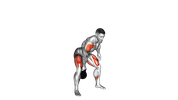
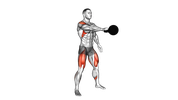
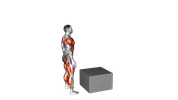
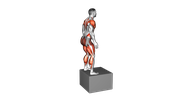
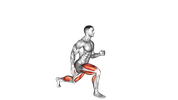
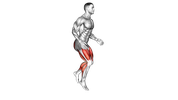
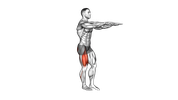
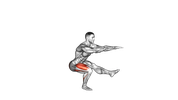
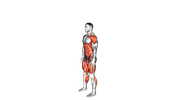
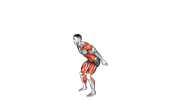
Explore exercises related to Kickboxing for legs training and similar movement patterns.
Choose a workout plan or create your own - for free
Ready-made plans for every goal, a free plan creator, hundreds of exercises and an advanced workout journal - all in SmartWorkout.


Start with a free plan. Keep progressing with SmartWorkout.
- users
- 200k+
- exercises with technique guides
- 1,000+
- workouts on the free plan
- ∞