Rotary Calf Raise
Track Rotary Calf Raise in SmartWorkout and watch your numbers go up
Log sets, weights and progress for free, with no workout limits.


Description
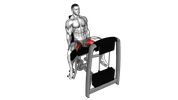
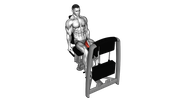
The Rotary Calf Raise is an exercise targeting the calf muscles, specifically the gastrocnemius and soleus. It involves a rotary motion that engages the calves through a full range of motion, enhancing muscle development and strength. This exercise is typically performed using a specialized machine that allows for controlled movement and resistance adjustment.
How to Perform
- Adjust the seat height on the rotary calf raise machine so that your knees are slightly bent when seated.
- Position your feet on the footplate with your toes pointing forward and heels hanging off the edge.
- Secure your thighs under the padded lever to ensure stability during the exercise.
- Begin by pushing through the balls of your feet to raise your heels as high as possible, engaging your calf muscles.
- Hold the top position for a moment, then slowly lower your heels back to the starting position.
- Repeat for the desired number of repetitions, maintaining control throughout the movement.
What Muscles Work
Primary Muscle:
Tips
- Ensure your knees remain slightly bent throughout the exercise to avoid unnecessary strain on the joints.
- Focus on a slow and controlled movement to maximize muscle engagement and prevent injury.
- Keep your core engaged to maintain stability and prevent excessive movement in other parts of your body.
- Exhale as you lift your heels and inhale as you lower them back down.
- Start with a lighter weight to master proper form before increasing resistance.
Common Mistakes
- Placing feet too high or too low on the platform, reducing calf engagement.
- Locking knees, which shifts focus away from the calves and can cause joint strain.
- Using excessive weight, leading to poor form and reduced range of motion.
- Bouncing at the bottom of the movement, which decreases muscle activation.
- Not fully extending the ankles at the top, limiting calf muscle contraction.
- Allowing heels to drop too quickly, resulting in a lack of control.
- Leaning forward excessively, which can shift the load away from the calves.
- Neglecting to engage the core, causing instability and poor posture.
Recommended Exercises
Explore exercises related to Rotary Calf Raise for legs training and similar movement patterns.
Choose a workout plan or create your own - for free
Ready-made plans for every goal, a free plan creator, hundreds of exercises and an advanced workout journal - all in SmartWorkout.


Start with a free plan. Keep progressing with SmartWorkout.
- users
- 200k+
- exercises with technique guides
- 1,000+
- workouts on the free plan
- ∞