Leg Press Wide Stance
enums.exercise_tag.STRENGTHenums.exercise_tag.PUSH
exercise_detail.body_part: enums.body_part.LEGS
exercise_detail.description
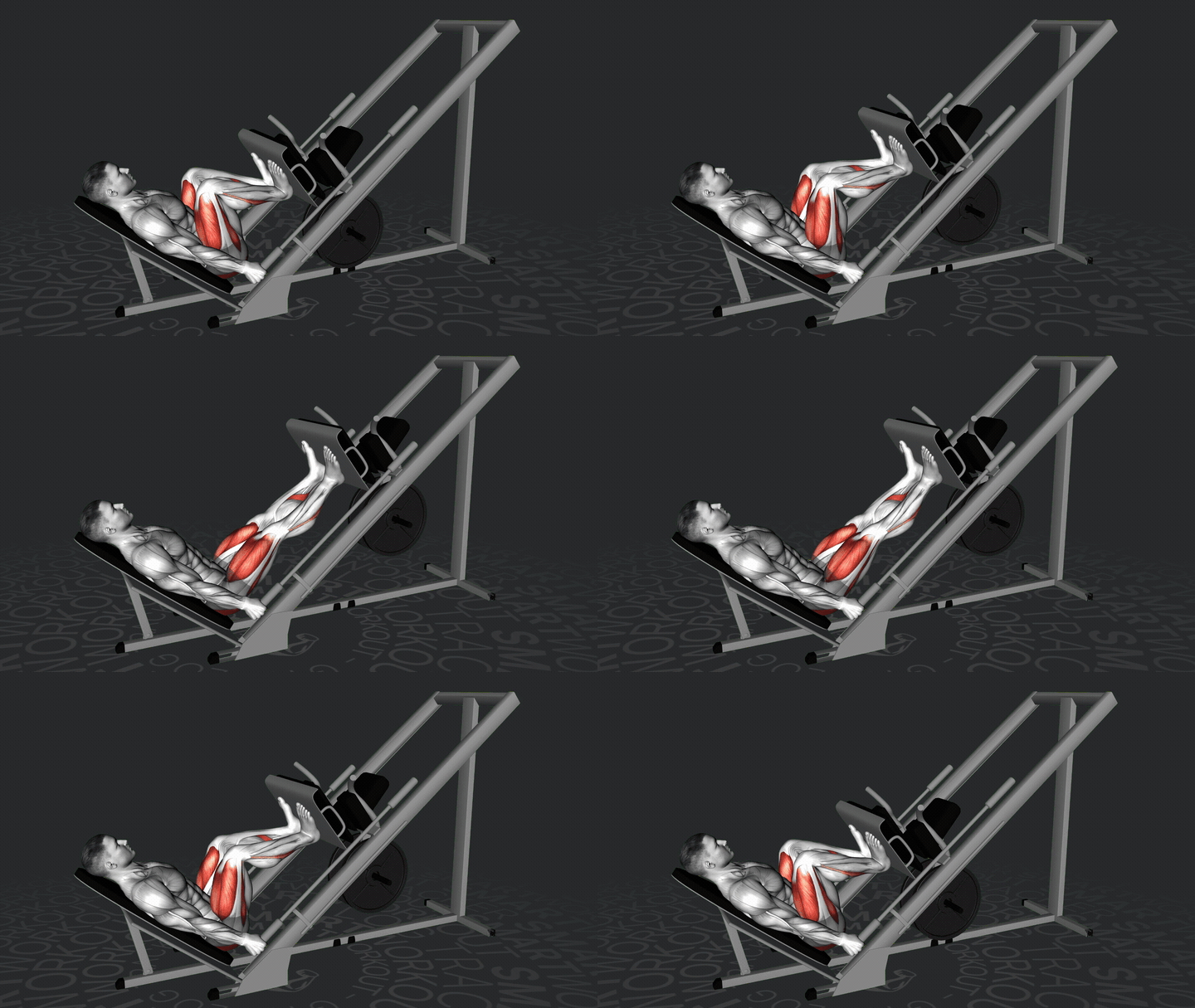
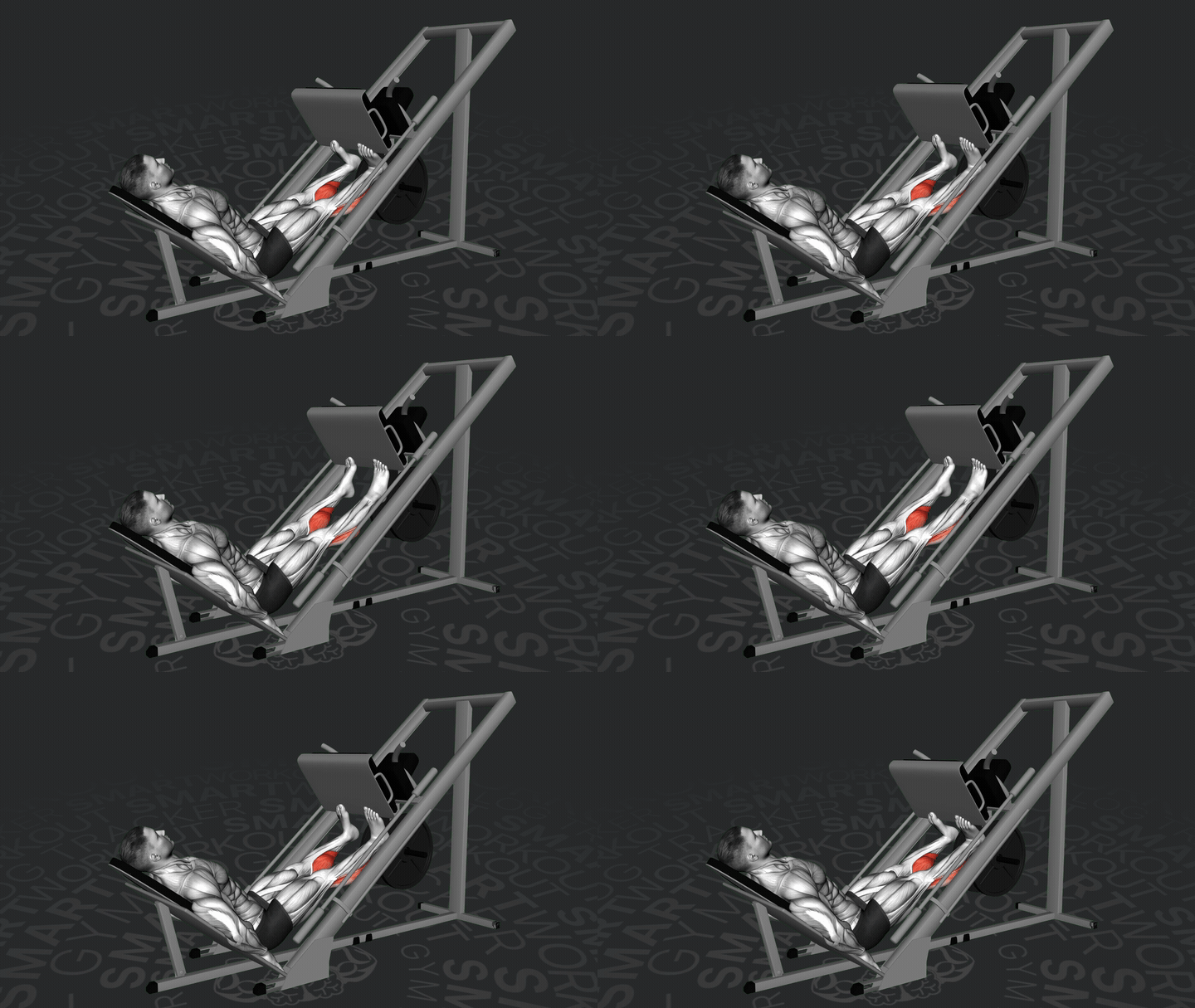
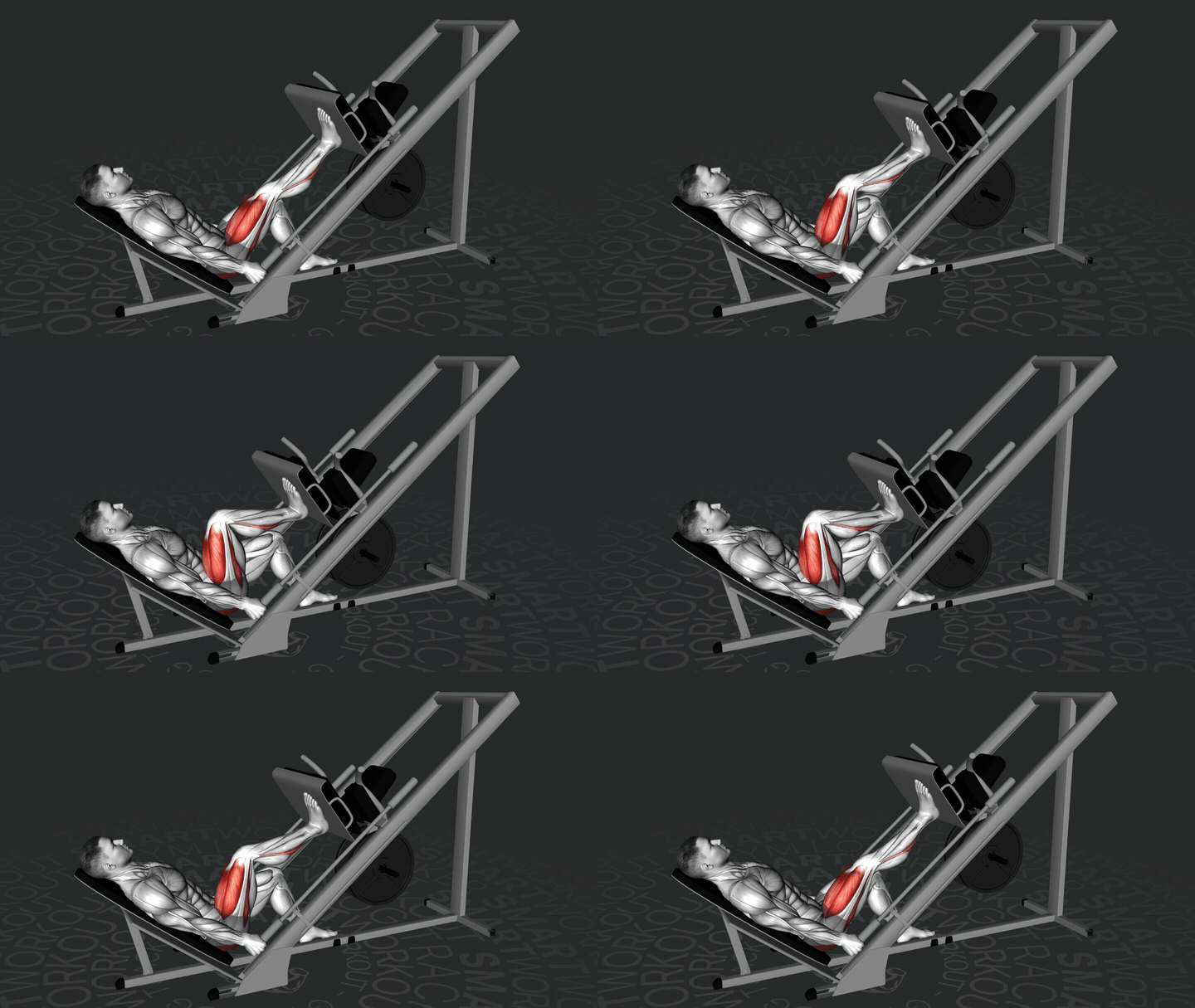
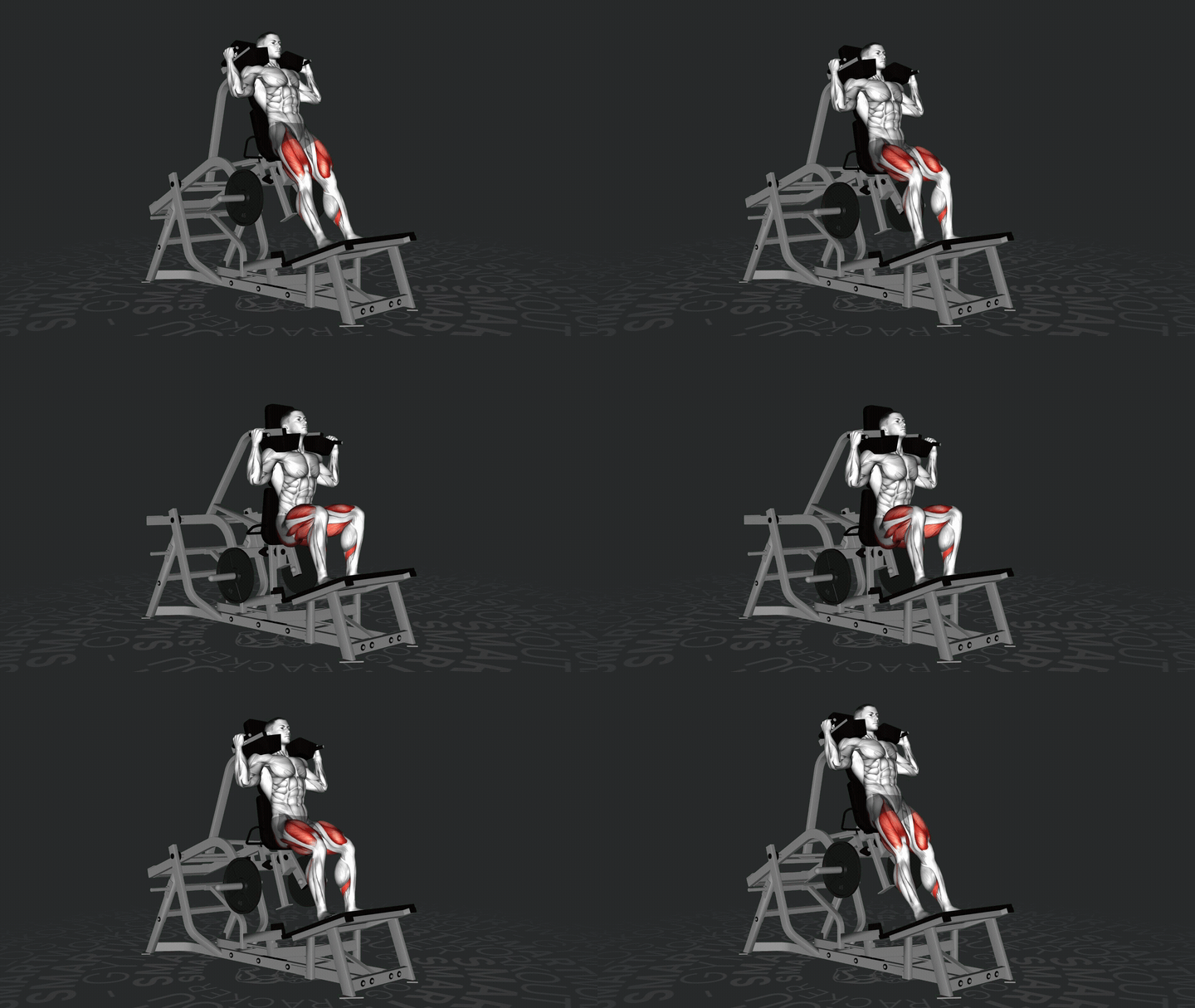
The Leg Press Wide Stance is a compound lower body exercise targeting the quadriceps, hamstrings, glutes, and adductors. By positioning the feet wider than shoulder-width apart on the platform, this variation emphasizes the inner thighs and glutes more than a standard leg press.
exercise_detail.how_to_perform
- Sit on the leg press machine with your back and head firmly against the seat pad.
- Place your feet on the platform wider than shoulder-width apart, toes slightly pointed out.
- Grip the handles on either side of the seat for stability.
- Unlock the safety bars by pressing the platform slightly and releasing the lock.
- Lower the platform by bending your knees until they form a 90-degree angle or slightly deeper, ensuring your knees align with your toes.
- Press through your heels to extend your legs and return to the starting position without locking your knees.
- Repeat for the desired number of repetitions.
exercise_detail.what_muscles_work
exercise_detail.primary_muscle:
exercise_detail.secondary_muscles:
exercise_detail.tips
- Keep your back flat against the seat to avoid lower back strain.
- Ensure your knees track over your toes to prevent knee injury.
- Do not lock your knees at the top of the movement to maintain tension on the muscles.
- Focus on pushing through your heels to engage more of your glutes and hamstrings.
- Control the descent of the platform to maximize muscle engagement and reduce injury risk.
exercise_detail.common_mistakes
- Feet positioned too high or too low on the platform, leading to improper muscle engagement.
- Allowing knees to collapse inward, which can strain the knee joints.
- Locking out the knees at the top of the movement, increasing joint stress.
- Using too much weight, compromising form and control.
- Failing to maintain a flat back against the seat, reducing core stability.
- Not aligning knees with toes, which can cause knee discomfort.
- Descending too quickly, reducing muscle tension and control.
- Inadequate depth, limiting full muscle activation.
- Pushing through the toes instead of the heels, shifting focus away from the glutes and hamstrings.
exercise_detail.recommended_exercises
exercise_detail.recommended_exercises_intro
exercise_detail.app_ad.title
exercise_detail.app_ad.description