Smith Squat To Bench
StrengthFunctionalPush
Track Smith Squat To Bench in SmartWorkout and watch your numbers go up
Log sets, weights and progress for free, with no workout limits.


Body Part: Legs
Description
The Smith Squat To Bench is a compound lower body exercise performed using a Smith machine and a bench. It targets the quadriceps, hamstrings, glutes, and core muscles. The fixed bar path of the Smith machine provides stability, making it suitable for beginners to focus on form and technique.
How to Perform
- Position a bench behind you in the Smith machine so that when you sit back, your thighs are parallel to the floor.
- Adjust the bar on the Smith machine to shoulder height. Load the desired weight onto the bar.
- Stand under the bar with your feet shoulder-width apart. Position the bar across your upper back and shoulders.
- Unrack the bar by rotating it forward. Step back until your legs are aligned with the bench.
- Engage your core, keep your chest up, and begin lowering your body by bending at the hips and knees.
- Descend until your glutes lightly touch the bench, ensuring your knees do not extend past your toes.
- Push through your heels to return to the starting position, fully extending your hips and knees.
- Repeat for the desired number of repetitions.
What Muscles Work
Primary Muscle:
Secondary Muscles:
Tips
- Ensure the bench is positioned correctly to allow a full range of motion without compromising form.
- Keep your weight distributed evenly through your heels to maintain balance and control.
- Focus on keeping your chest up and back straight throughout the movement to prevent injury.
- Use a spotter if you're lifting heavy weights or if you're new to this exercise for added safety.
- Control the descent and avoid bouncing off the bench to maintain muscle tension and effectiveness.
Common Mistakes
- Feet positioned too far forward or backward, causing imbalance.
- Knees caving inward during the squat, leading to poor alignment.
- Not descending low enough to touch the bench, limiting range of motion.
- Bouncing off the bench instead of controlled touch, reducing muscle engagement.
- Leaning excessively forward, placing undue stress on the lower back.
- Bar positioned too high on the neck, risking neck strain.
- Failing to keep the core engaged, resulting in loss of stability.
- Allowing the heels to lift off the ground, compromising balance.
- Using momentum to rise instead of controlled muscle activation.
- Not maintaining a neutral spine, increasing risk of back injury.
Recommended Exercises
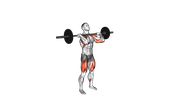
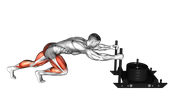
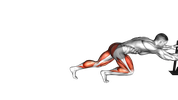
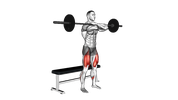
Explore exercises related to Smith Squat To Bench for legs training and similar movement patterns.


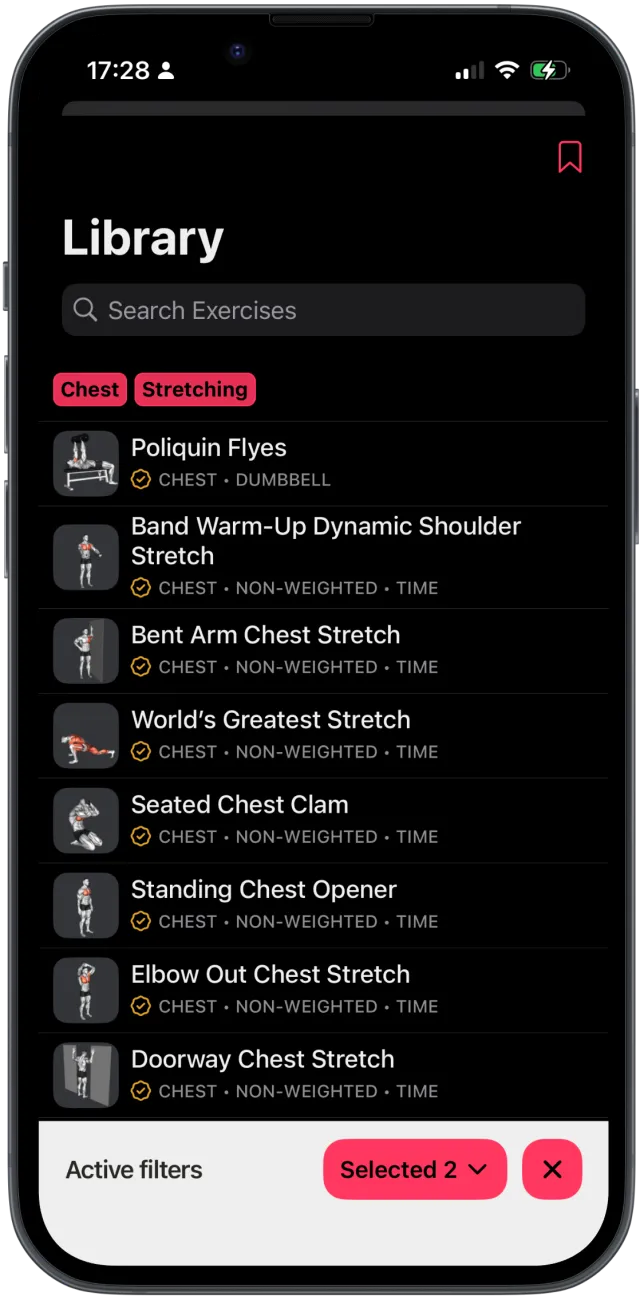
Choose a workout plan or create your own - for free
Ready-made plans for every goal, a free plan creator, hundreds of exercises and an advanced workout journal - all in SmartWorkout.


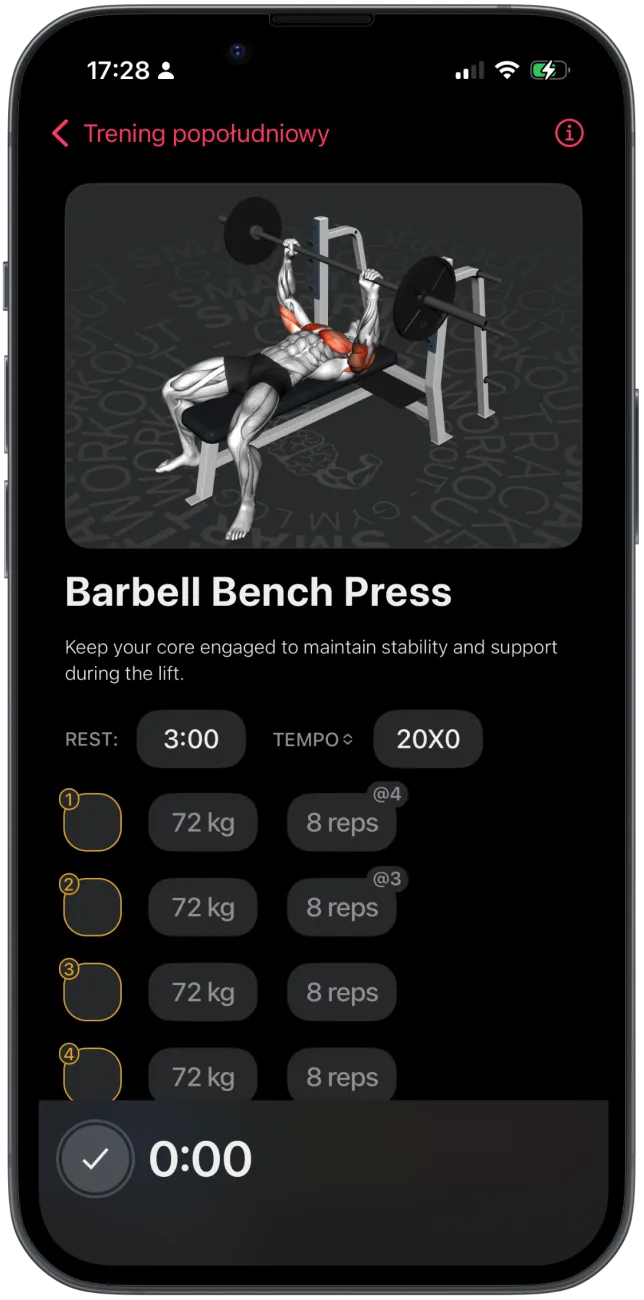
Start with a free plan. Keep progressing with SmartWorkout.
- users
- 200k+
- exercises with technique guides
- 1,000+
- workouts on the free plan
- ∞