Barbell Wide Grip Upright Row
enums.exercise_tag.STRENGTHenums.exercise_tag.PULL
exercise_detail.body_part: enums.body_part.SHOULDERS
exercise_detail.description
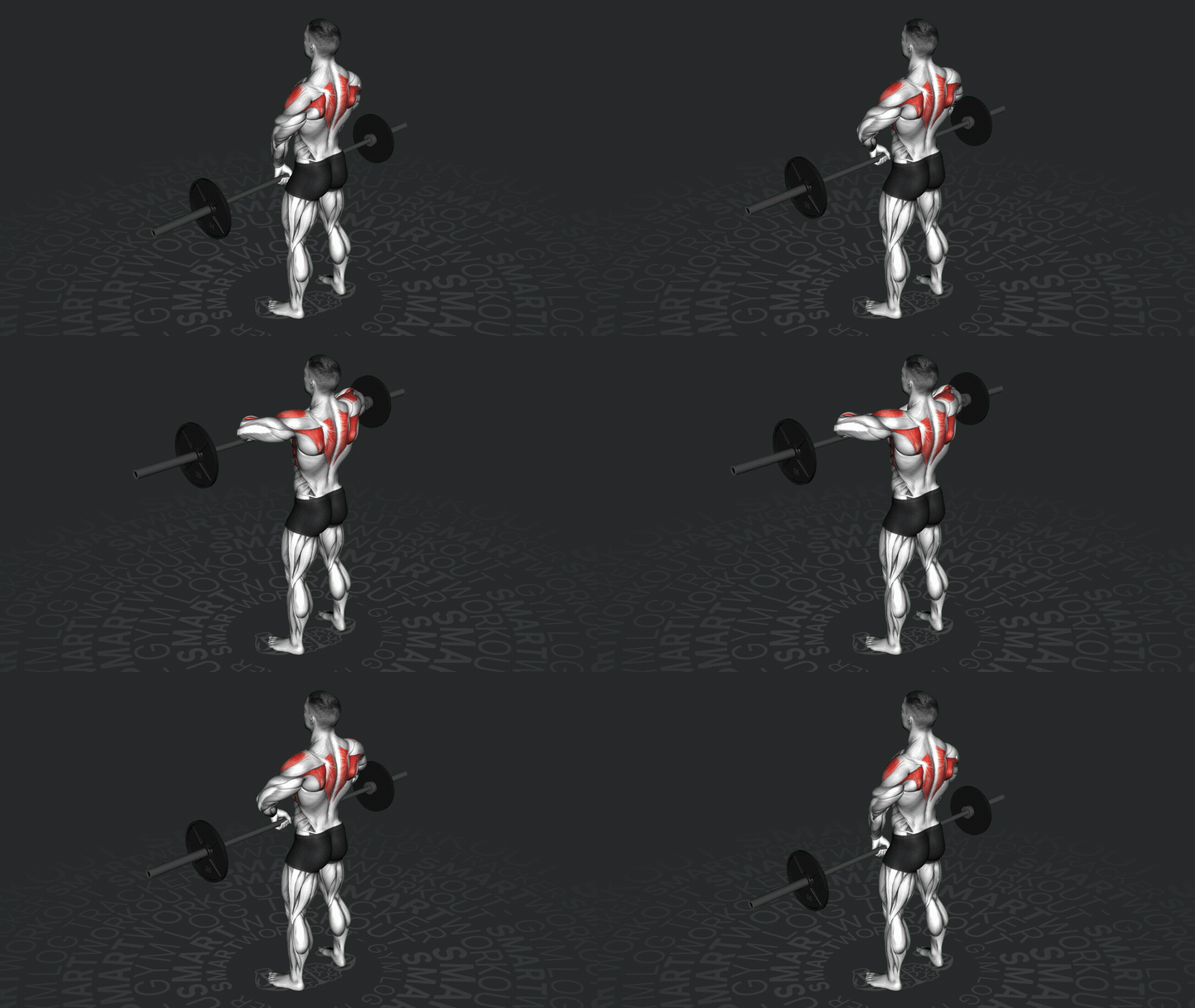
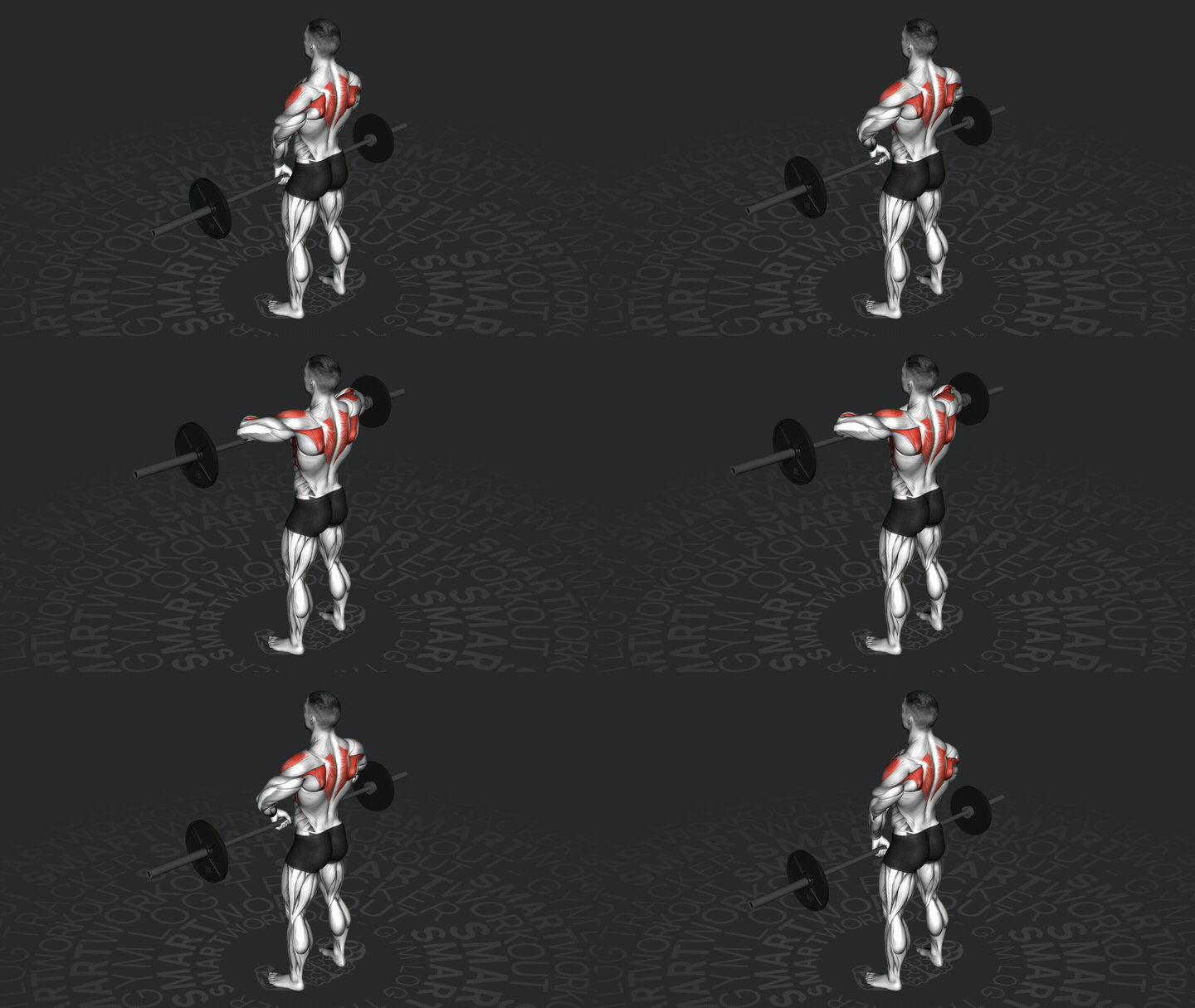
The Barbell Wide Grip Upright Row is an upper body exercise targeting the shoulders and upper back. It involves lifting a barbell with a wide grip from the thighs to the chest, primarily engaging the deltoids, trapezius, and biceps.
exercise_detail.how_to_perform
- Stand with your feet shoulder-width apart, holding a barbell with an overhand grip wider than shoulder-width.
- Keep your back straight, chest up, and core engaged throughout the movement.
- Lift the barbell vertically along your body, leading with your elbows until it reaches chest level.
- Pause briefly at the top of the movement, ensuring your elbows are higher than your wrists.
- Lower the barbell back to the starting position in a controlled manner.
- Repeat for the desired number of repetitions.
exercise_detail.what_muscles_work
exercise_detail.primary_muscle:
exercise_detail.tips
- Maintain a wide grip to better target the shoulder muscles.
- Focus on lifting with your elbows to maximize shoulder engagement.
- Avoid using momentum; keep the movement slow and controlled.
- Keep your wrists straight and avoid bending them during the lift.
- Exhale as you lift the barbell and inhale as you lower it.
- Ensure your shoulders remain relaxed and do not shrug during the exercise.
exercise_detail.common_mistakes
- Using too narrow a grip, which reduces shoulder engagement and increases strain on wrists.
- Pulling the bar too high, causing shoulder impingement and excessive strain on the rotator cuff.
- Leading with the elbows instead of keeping them slightly below the wrists, leading to poor shoulder alignment.
- Using momentum to lift the bar, reducing muscle engagement and control.
- Allowing the back to round, which decreases stability and increases risk of lower back strain.
- Not keeping the core engaged, leading to a lack of stability and poor posture.
- Shrugging the shoulders excessively, which can lead to neck strain.
- Failing to keep the wrists straight, causing unnecessary stress on the joints.
- Not maintaining a controlled tempo, resulting in reduced muscle activation and increased risk of losing balance.
exercise_detail.recommended_exercises
exercise_detail.recommended_exercises_intro
exercise_detail.app_ad.title
exercise_detail.app_ad.description