One-Arm Dumbbell Incline Lateral Raise
enums.exercise_tag.STRENGTH
exercise_detail.body_part: enums.body_part.SHOULDERS
exercise_detail.description
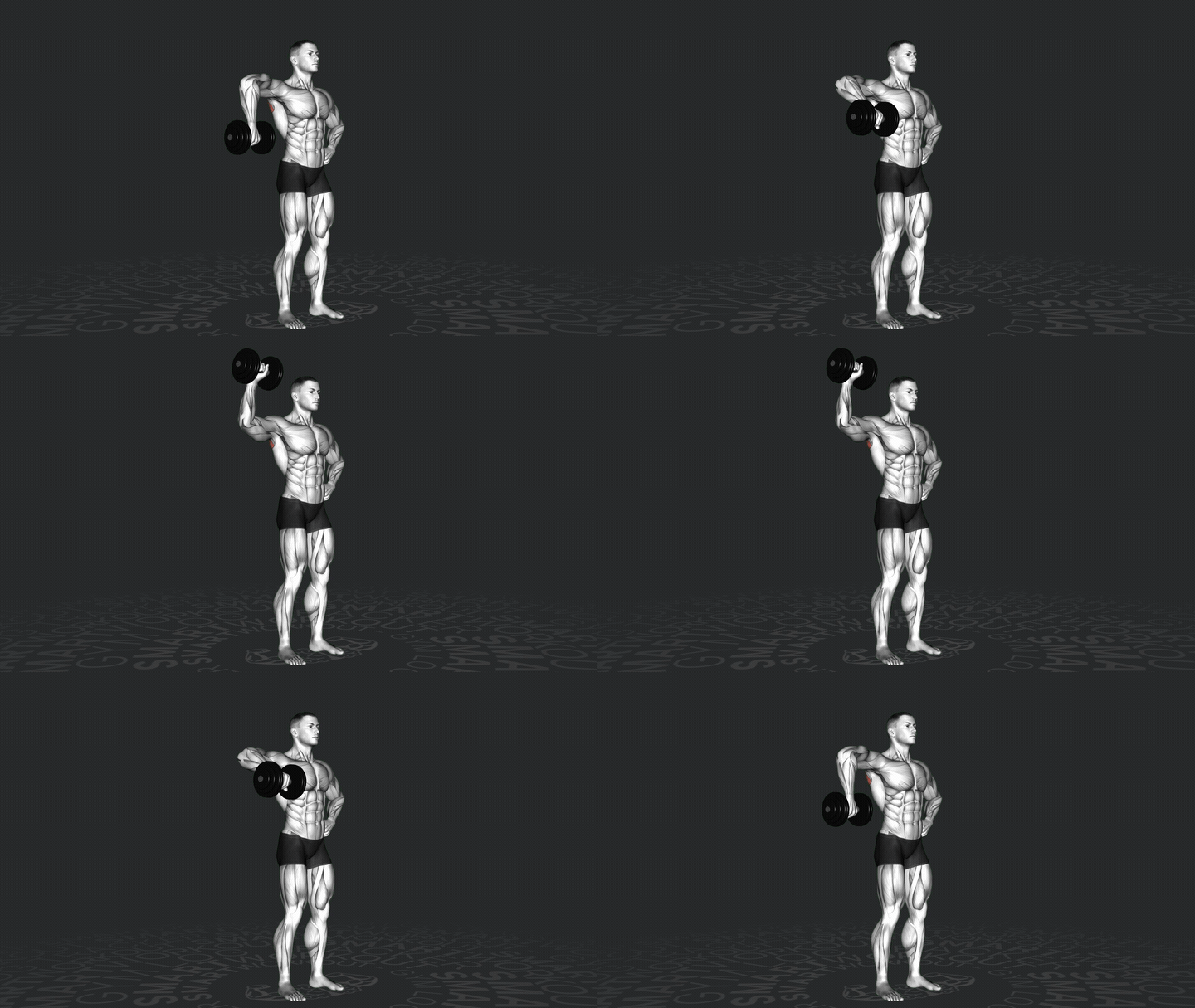
The Dumbbell Incline One Arm Lateral Raise is an isolation exercise targeting the lateral deltoid muscles. It is performed on an incline bench, allowing for a greater range of motion and increased muscle activation. This exercise helps in building shoulder width and improving overall shoulder aesthetics.
exercise_detail.how_to_perform
- Set an incline bench to a 30-45 degree angle.
- Sit sideways on the bench with your non-working side against the backrest.
- Hold a dumbbell in your working hand with a neutral grip, arm hanging down naturally.
- Keep your core engaged and maintain a slight bend in your elbow.
- Raise the dumbbell out to the side until your arm is parallel to the floor.
- Pause briefly at the top of the movement, then slowly lower the dumbbell back to the starting position.
- Repeat for the desired number of repetitions and switch arms.
exercise_detail.what_muscles_work
exercise_detail.primary_muscle:
exercise_detail.tips
- Ensure your movements are controlled to maximize muscle engagement.
- Avoid using momentum; focus on using the deltoid to lift the weight.
- Keep your torso stable and avoid leaning or twisting during the exercise.
- Exhale as you lift the dumbbell and inhale as you lower it.
- Start with a lighter weight to master form before increasing resistance.
exercise_detail.common_mistakes
- Using too much weight, leading to swinging and loss of control.
- Allowing the shoulder to shrug, reducing isolation of the lateral deltoid.
- Failing to maintain a slight bend in the elbow, causing joint strain.
- Raising the arm too high, engaging the trapezius instead of the deltoid.
- Not keeping the torso stable against the bench, causing unnecessary movement.
- Performing the movement too quickly, reducing muscle engagement.
- Allowing the wrist to bend, leading to improper force distribution.
- Neglecting to keep the palm facing down, altering the target muscle group.
exercise_detail.recommended_exercises
exercise_detail.recommended_exercises_intro
exercise_detail.app_ad.title
exercise_detail.app_ad.description