One-Arm Landmine Half Kneeling Shoulder Press
enums.exercise_tag.STRENGTHenums.exercise_tag.BALANCEenums.exercise_tag.FUNCTIONALenums.exercise_tag.PUSH
exercise_detail.body_part: enums.body_part.SHOULDERS
exercise_detail.description
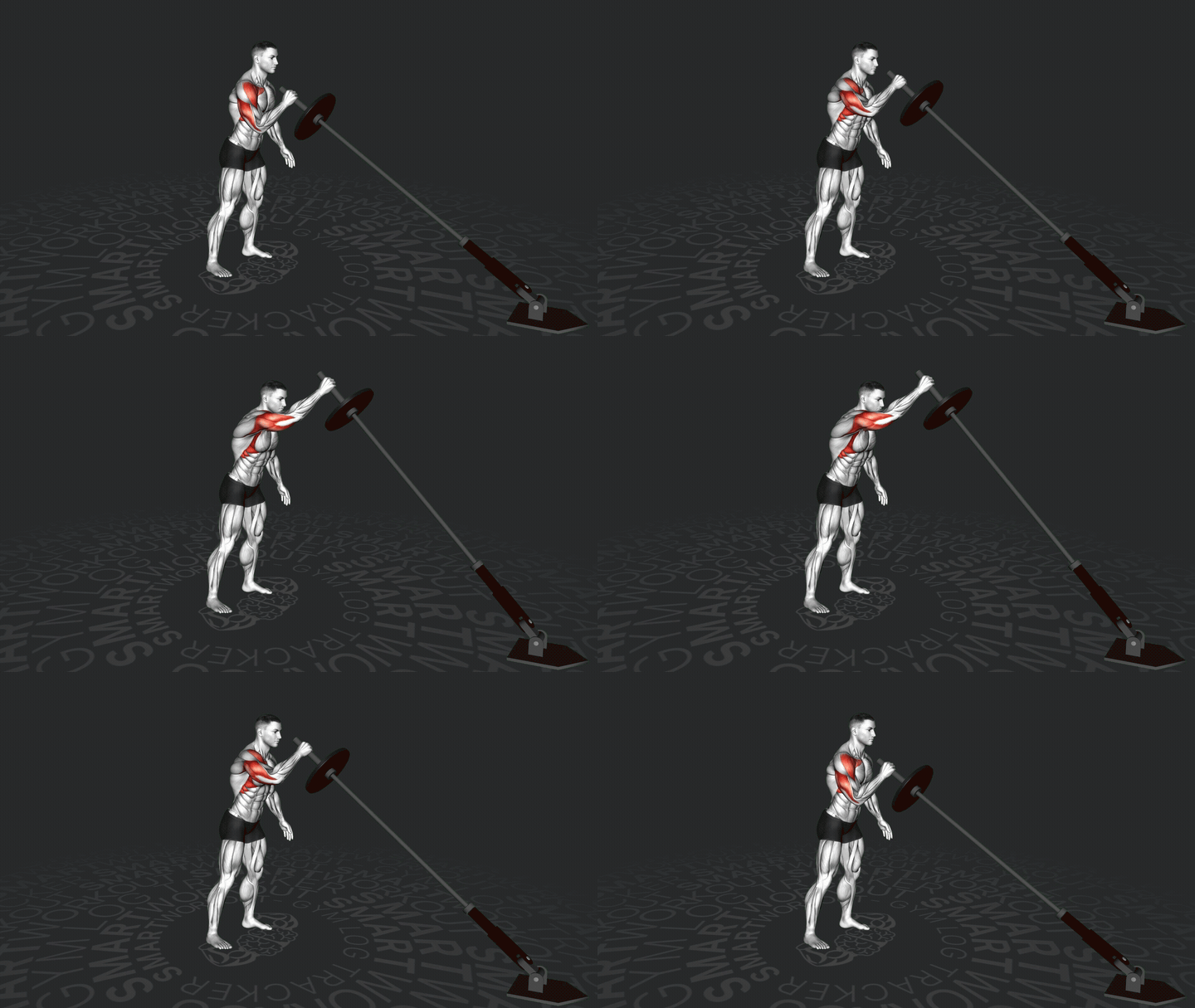
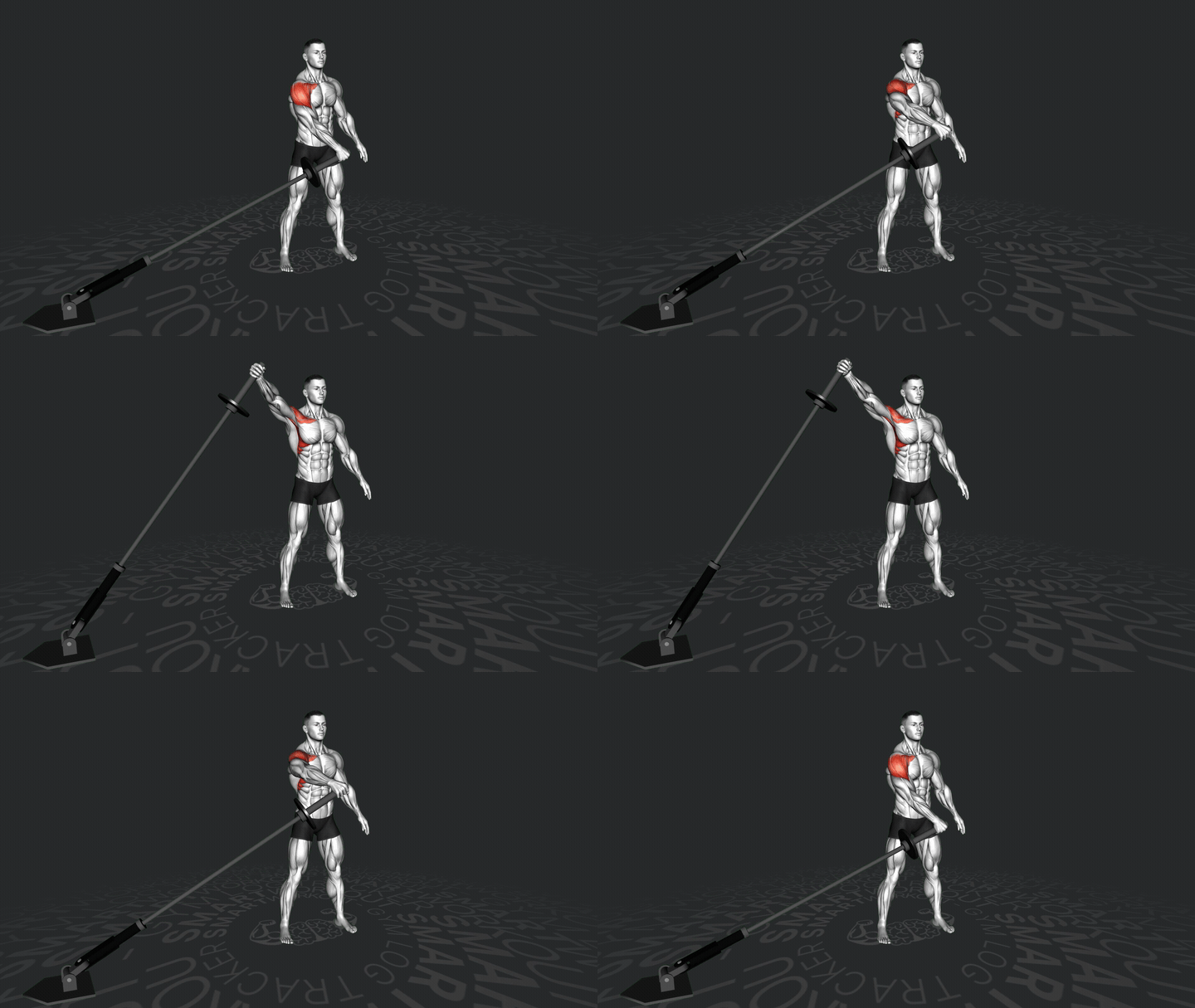
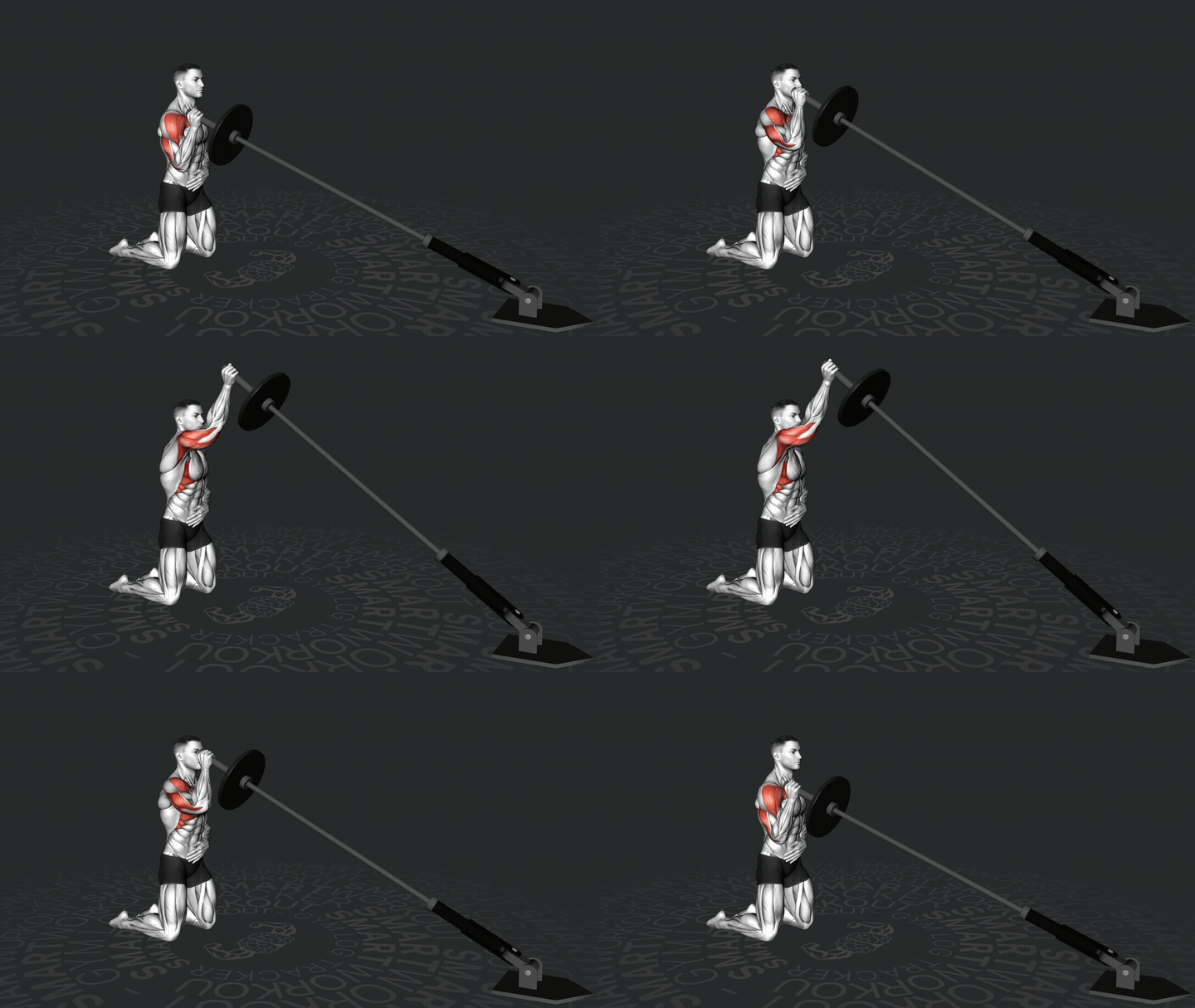
The Landmine Half Kneeling One Arm Shoulder Press is an exercise that targets the shoulder muscles, particularly the deltoids, while also engaging the core for stability. This exercise utilizes a landmine setup, which is a barbell anchored at one end, allowing for a unique pressing angle that can reduce strain on the shoulder joint.
exercise_detail.how_to_perform
- Begin by setting up a barbell in a landmine attachment or securely in a corner.
- Kneel on one knee with the opposite foot flat on the ground in front of you, forming a 90-degree angle at both knees.
- Hold the end of the barbell with the hand on the same side as your kneeling leg, keeping your core engaged and torso upright.
- Press the barbell upward and slightly forward until your arm is fully extended, keeping your wrist straight and elbow slightly bent at the top.
- Slowly lower the barbell back to the starting position with control.
- Complete the desired number of repetitions before switching sides.
exercise_detail.what_muscles_work
exercise_detail.primary_muscle:
exercise_detail.secondary_muscles:
exercise_detail.tips
- Keep your core tight throughout the movement to maintain balance and stability.
- Focus on pressing through your shoulder rather than using momentum from your legs or torso.
- Ensure your elbow stays under your wrist during the press to maintain proper alignment.
- Breathe out as you press the barbell up and inhale as you lower it back down.
- Start with a lighter weight to master form before progressing to heavier loads.
exercise_detail.common_mistakes
- Allowing the lower back to arch excessively, reducing core engagement.
- Positioning the knees too close together, compromising stability.
- Failing to align the pressing arm with the landmine path, leading to inefficient movement.
- Using momentum to press the weight instead of controlled muscle engagement.
- Not maintaining a neutral wrist position, increasing strain on the wrist joint.
- Pressing the weight too far forward, missing the vertical pressing path.
- Neglecting to engage the glutes and core, resulting in an unstable base.
- Allowing the shoulder to elevate excessively, causing unnecessary tension.
- Starting with the elbow flared out, reducing shoulder joint stability.
- Rushing the eccentric phase, losing control and muscle activation.
exercise_detail.recommended_exercises
exercise_detail.recommended_exercises_intro
exercise_detail.app_ad.title
exercise_detail.app_ad.description