Seated Barbell Shoulder Press
enums.exercise_tag.STRENGTHenums.exercise_tag.PUSH
exercise_detail.body_part: enums.body_part.SHOULDERS
exercise_detail.description
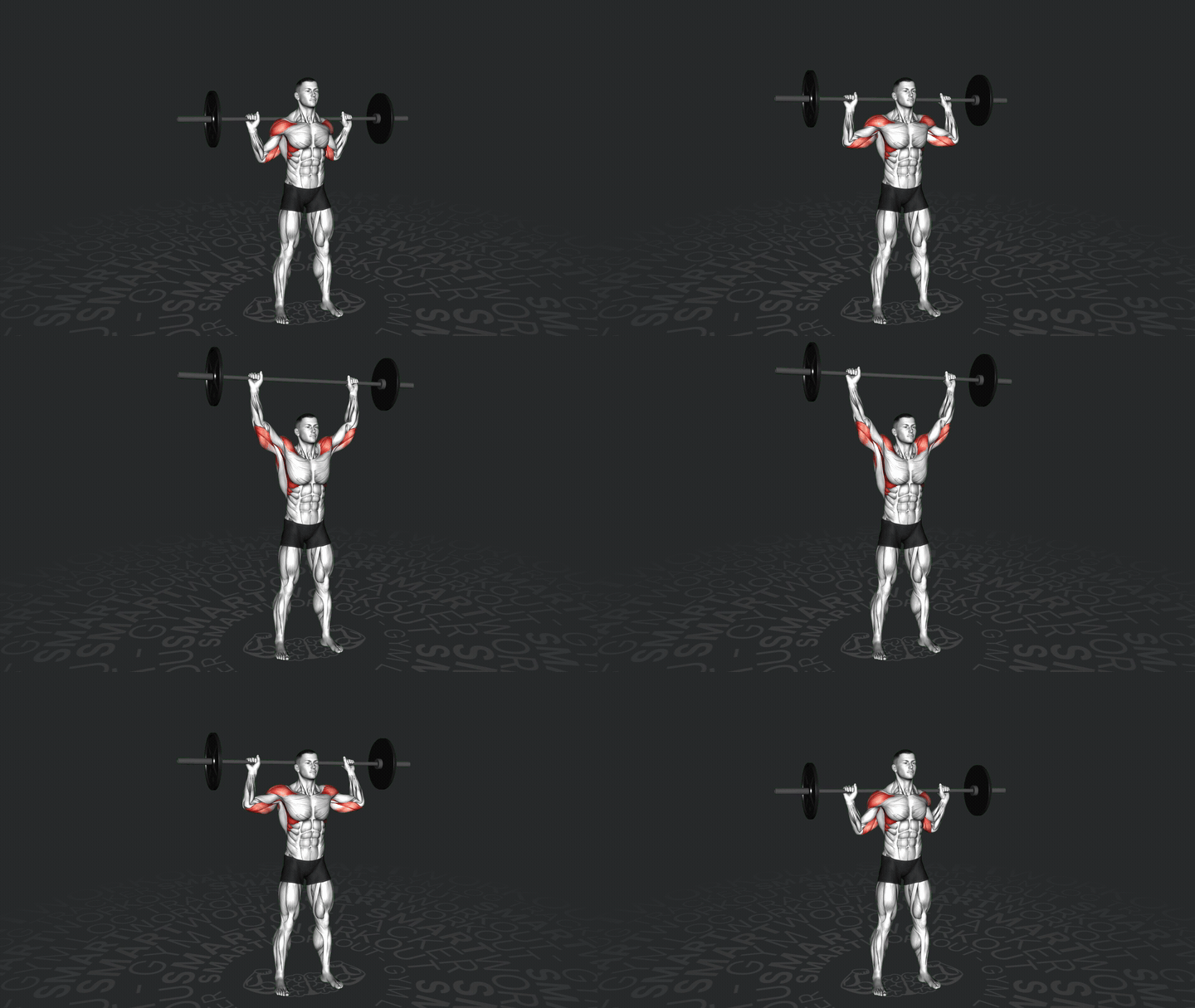
The Seated Barbell Shoulder Press is a compound exercise targeting the deltoid muscles, particularly the anterior deltoids, while also engaging the triceps and upper chest. This exercise is performed while seated, providing stability and allowing for greater focus on shoulder strength and hypertrophy.
exercise_detail.how_to_perform
- Sit on a bench with back support, ensuring your feet are flat on the floor for stability.
- Grip the barbell with an overhand grip slightly wider than shoulder-width apart.
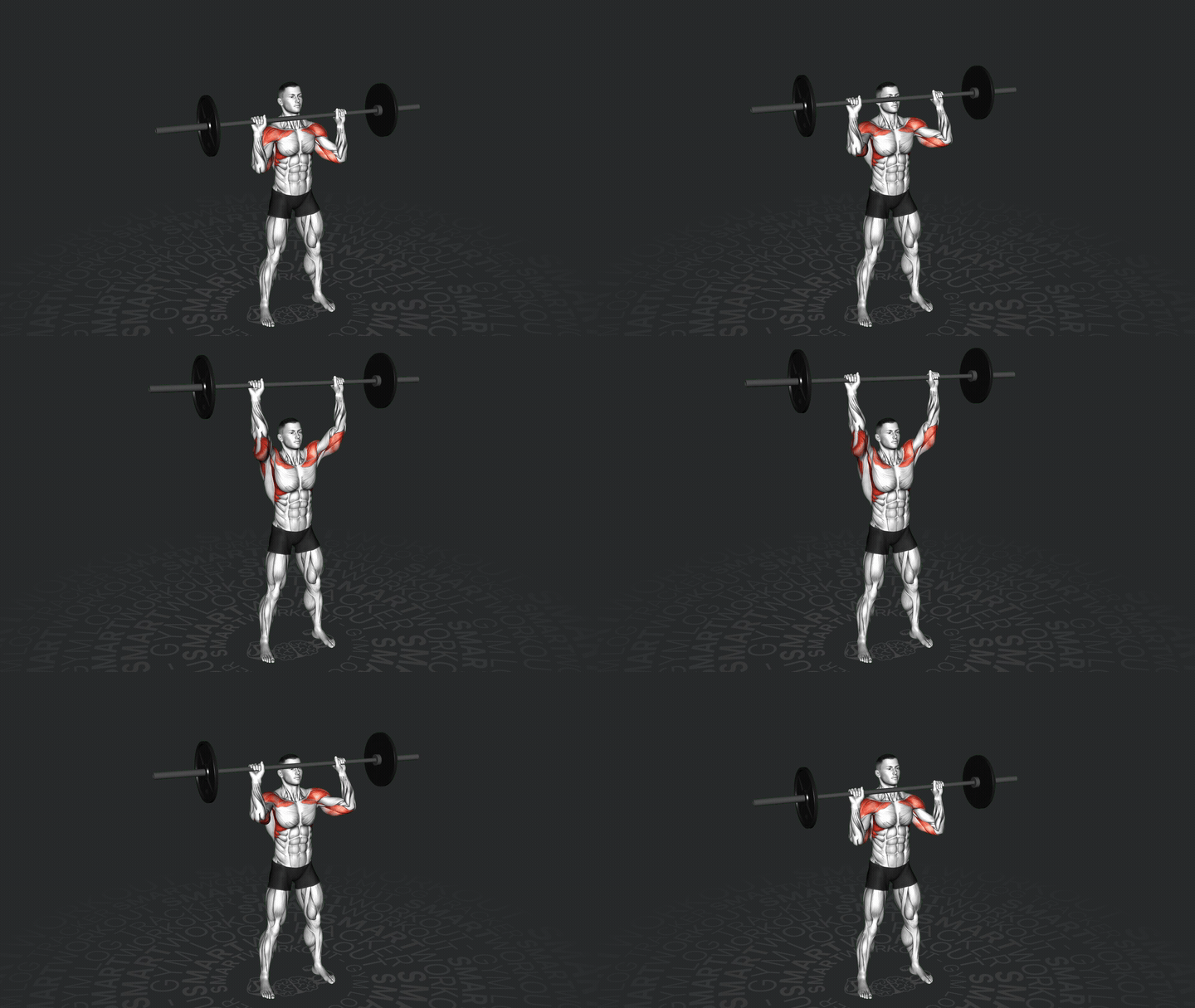
- Lift the barbell off the rack and hold it at shoulder height with your elbows bent and aligned under your wrists.
- Engage your core and press the barbell overhead until your arms are fully extended but not locked out.
- Slowly lower the barbell back to the starting position at shoulder height.
- Repeat for the desired number of repetitions.
exercise_detail.what_muscles_work
exercise_detail.primary_muscle:
exercise_detail.secondary_muscles:
exercise_detail.tips
- Keep your back pressed against the bench to prevent arching during the lift.
- Maintain a controlled motion throughout the exercise to maximize muscle engagement.
- Avoid locking out your elbows at the top of the movement to keep tension on the shoulders.
- Ensure your wrists remain straight and aligned with your forearms to reduce strain.
- Breathe out as you press the barbell up and breathe in as you lower it down.
exercise_detail.common_mistakes
- Arching the lower back excessively, which can strain the spine.
- Failing to engage the core, leading to instability and poor posture.
- Allowing elbows to flare out too much, reducing shoulder engagement.
- Lowering the barbell too far behind the head, risking shoulder impingement.
- Using momentum to lift the barbell instead of controlled muscle contraction.
- Not aligning the wrists directly under the bar, causing wrist strain.
- Starting with the barbell too low, reducing range of motion and effectiveness.
- Neglecting to set the shoulder blades down and back, leading to poor shoulder mechanics.
- Gripping the bar too wide, which can reduce control and increase shoulder stress.
exercise_detail.recommended_exercises
exercise_detail.recommended_exercises_intro
exercise_detail.app_ad.title
exercise_detail.app_ad.description