Rotary Torso
StrengthCore
Track Rotary Torso in SmartWorkout and watch your numbers go up
Log sets, weights and progress for free, with no workout limits.


Body Part: Abs
Description
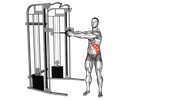
The Lever Trunk Rotation is an exercise targeting the oblique muscles and core stability. It involves rotating the torso against resistance, typically using a lever machine, to enhance rotational strength and improve core engagement.
How to Perform
- Adjust the seat height on the lever machine so that the pivot point aligns with your midsection.
- Sit down and secure your feet under the foot pads, ensuring your knees are slightly bent.
- Grasp the handles firmly with both hands, keeping your elbows slightly bent.
- Engage your core muscles and maintain an upright posture throughout the movement.
- Slowly rotate your torso to one side, using your oblique muscles to control the motion.
- Pause briefly at the end of the rotation to maximize muscle engagement.
- Return to the starting position in a controlled manner.
- Repeat the movement on the opposite side to complete one full repetition.
What Muscles Work
Primary Muscle:
Tips
- Focus on using your oblique muscles rather than relying on momentum to perform the rotation.
- Maintain a slow and controlled pace to ensure maximum muscle activation and reduce injury risk.
- Keep your shoulders relaxed and avoid shrugging them during the exercise.
- Exhale as you rotate your torso and inhale as you return to the starting position.
- Ensure that your hips remain stable and do not sway during the movement.
- Start with a lighter weight to master proper form before increasing resistance.
Common Mistakes
- Using momentum to swing the torso instead of controlled muscle engagement.
- Allowing the hips to rotate along with the torso, reducing core activation.
- Positioning the feet too far apart, limiting the range of motion.
- Twisting beyond a safe range, risking strain on the lower back.
- Neglecting to engage the core muscles, leading to ineffective exercise.
- Holding the breath instead of maintaining a steady breathing pattern.
- Leaning forward or backward, compromising spinal alignment.
- Rushing through repetitions without focusing on form and control.
Recommended Exercises
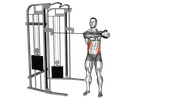
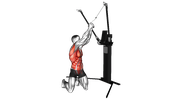
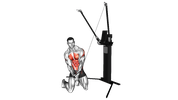
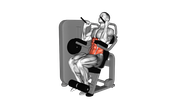
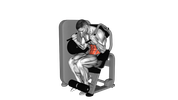
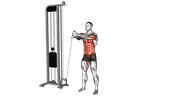
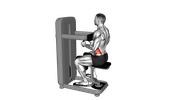
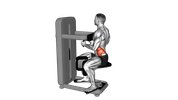
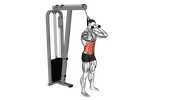
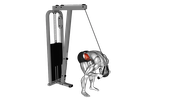
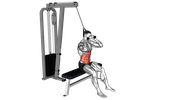
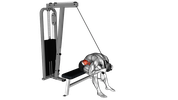
Explore exercises related to Rotary Torso for abs training and similar movement patterns.



Choose a workout plan or create your own - for free
Ready-made plans for every goal, a free plan creator, hundreds of exercises and an advanced workout journal - all in SmartWorkout.