Barbell Reverse Grip Bent Over Row
enums.exercise_tag.STRENGTHenums.exercise_tag.PULL
exercise_detail.body_part: enums.body_part.BACK
exercise_detail.description
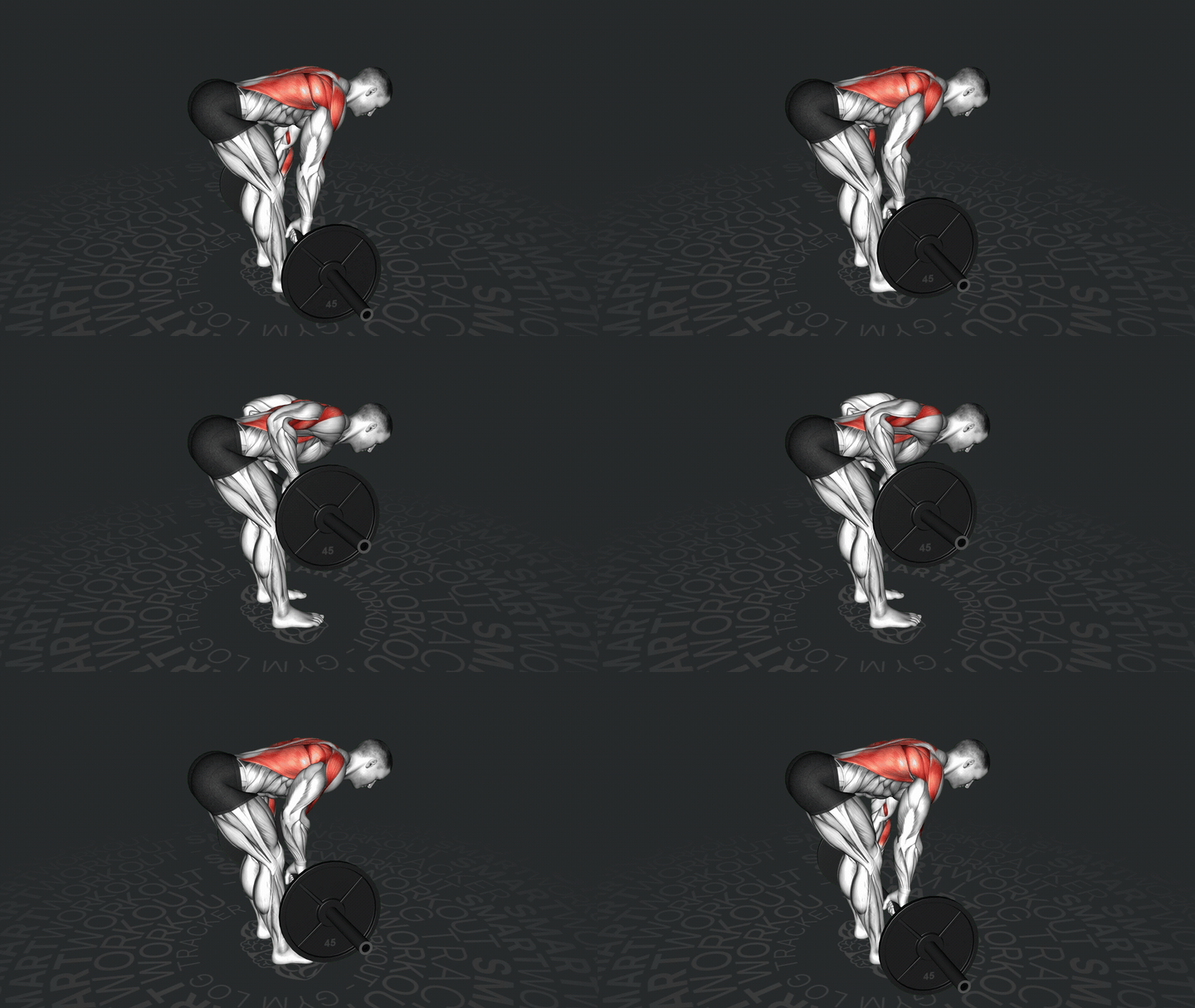
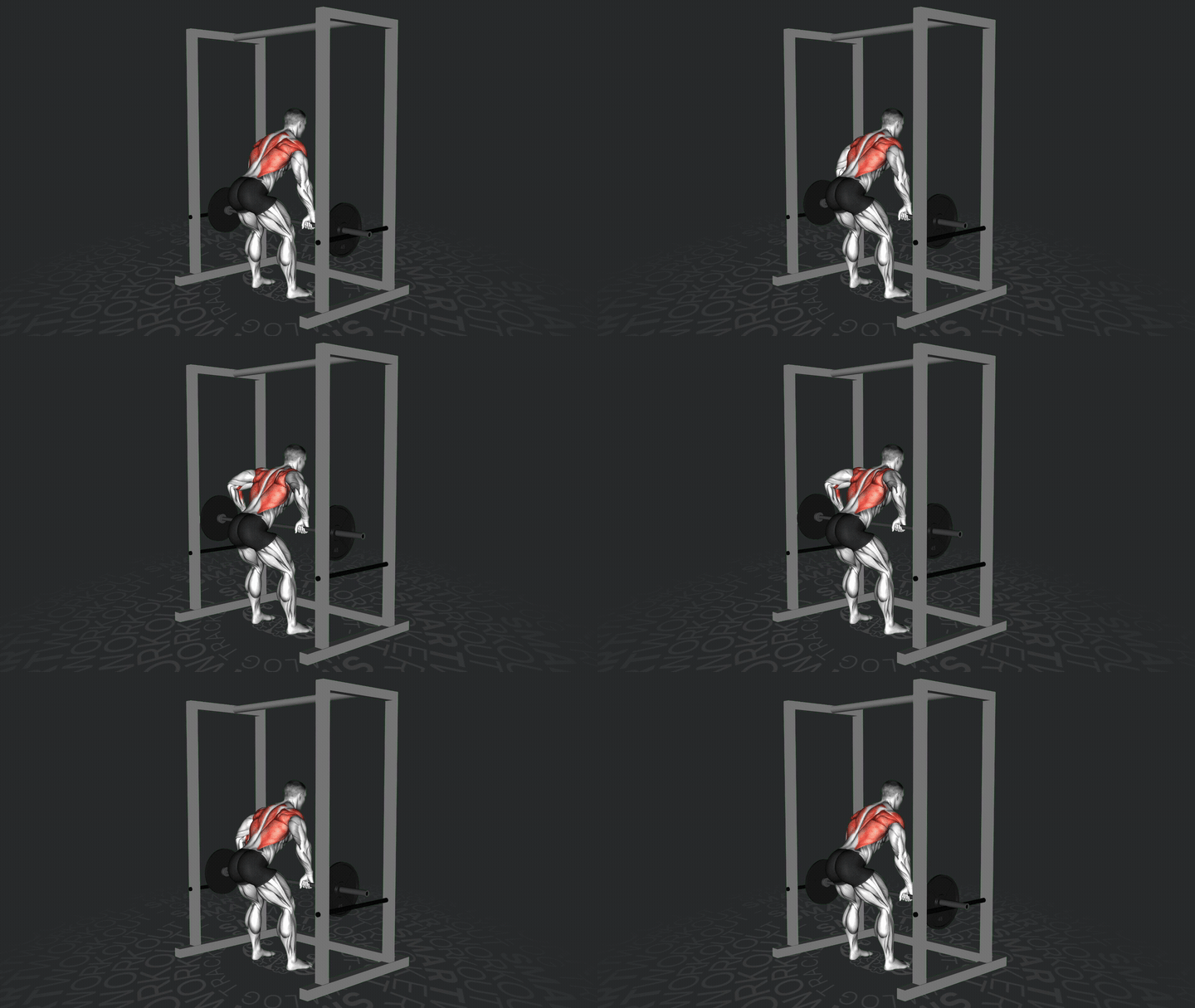
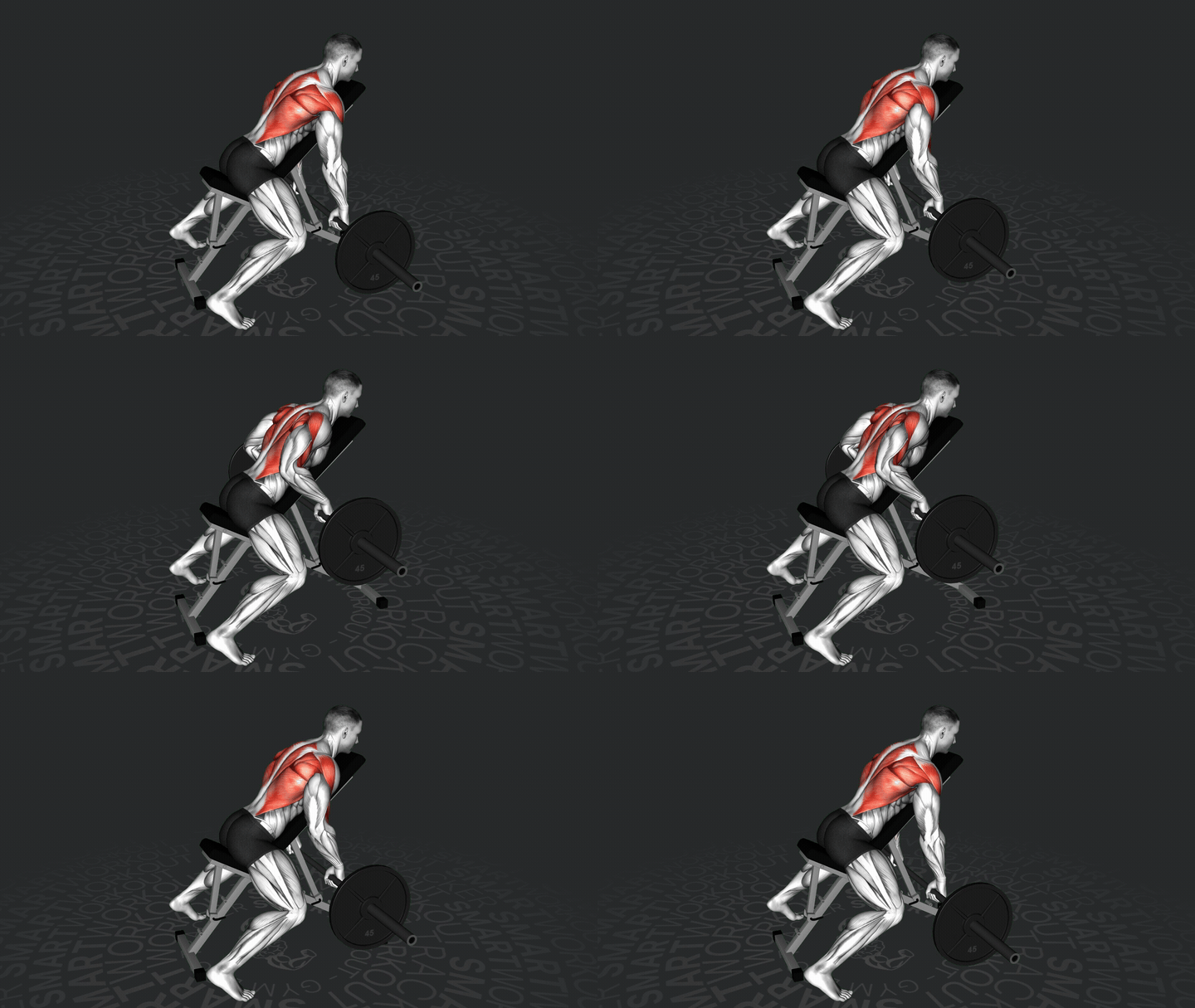
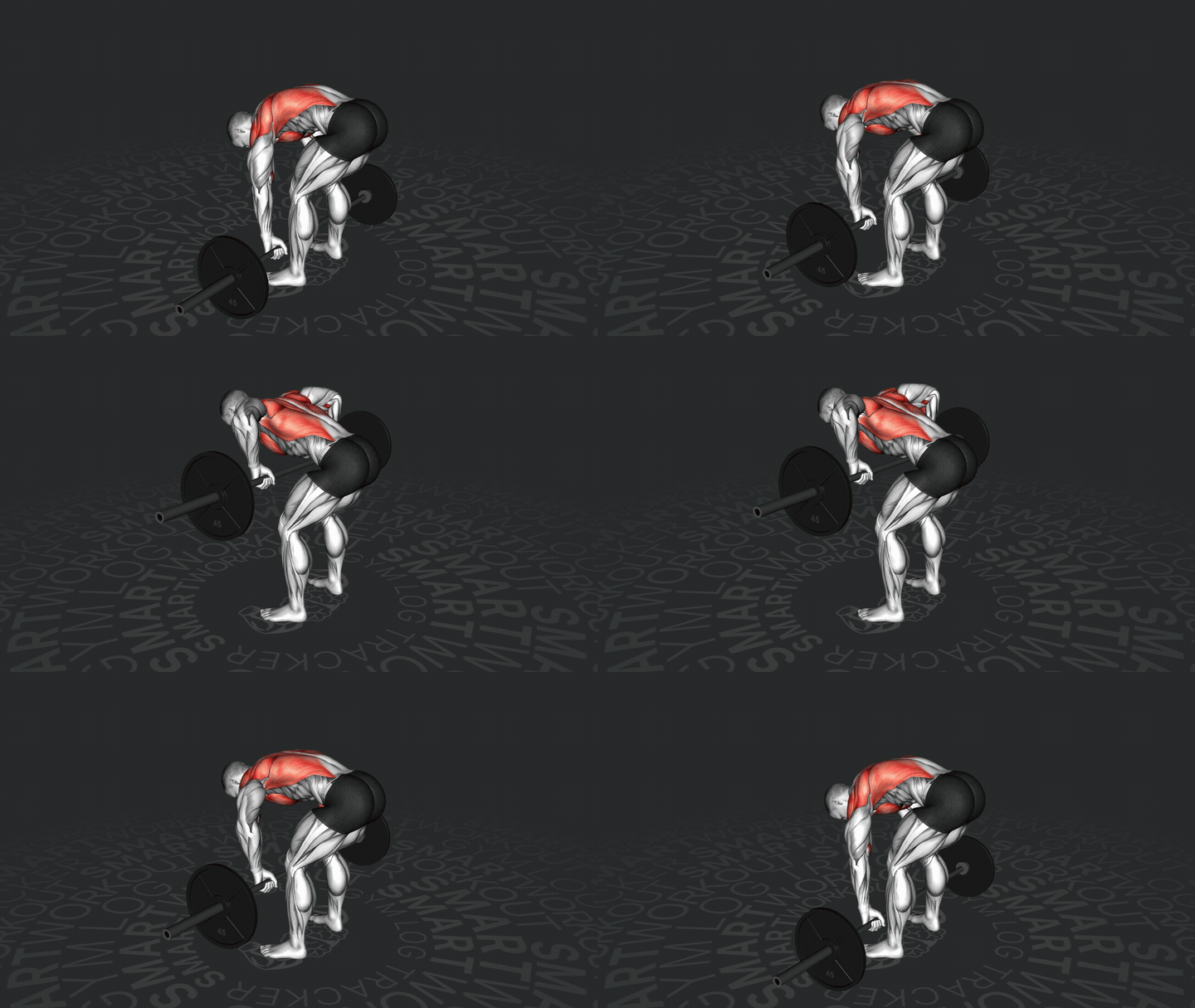
The Barbell Reverse Grip Bent Over Row is a compound exercise targeting the upper back, lats, and biceps. It involves pulling a barbell towards the torso while bent over with a supinated (palms facing up) grip. This variation emphasizes the biceps and lower lats more than the traditional bent-over row.
exercise_detail.how_to_perform
- Stand with feet shoulder-width apart and hold a barbell with a reverse grip (palms facing up) at shoulder width.
- Bend your knees slightly and hinge at the hips to lower your torso until it's almost parallel to the floor, keeping your back straight.
- Engage your core and keep your head in line with your spine.
- Pull the barbell towards your lower ribcage, squeezing your shoulder blades together at the top of the movement.
- Lower the barbell back to the starting position in a controlled manner.
- Repeat for the desired number of repetitions.
exercise_detail.what_muscles_work
exercise_detail.primary_muscle:
exercise_detail.secondary_muscles:
exercise_detail.tips
- Ensure your back remains straight throughout the exercise to avoid injury.
- Keep your elbows close to your body as you pull the barbell to maximize lat engagement.
- Focus on squeezing your shoulder blades together at the top of each rep for better muscle activation.
- Maintain a slight bend in your knees to help stabilize your body during the movement.
- Use a weight that allows you to perform the exercise with proper form for all repetitions.
exercise_detail.common_mistakes
- Using too much weight, leading to poor form and reduced range of motion.
- Rounding the back instead of maintaining a neutral spine, increasing strain on the lower back.
- Pulling with the arms instead of engaging the back muscles, reducing effectiveness.
- Standing too upright, limiting the engagement of the target muscles.
- Jerking the weight up instead of using controlled movements, risking loss of balance.
- Allowing the elbows to flare out, which shifts focus away from the target muscles.
- Not fully extending the arms at the bottom of the movement, limiting range of motion.
- Lifting the barbell too quickly, reducing time under tension for the muscles.
- Failing to keep the core engaged, which can lead to instability.
exercise_detail.recommended_exercises
exercise_detail.recommended_exercises_intro
exercise_detail.app_ad.title
exercise_detail.app_ad.description