Pendlay Row
enums.exercise_tag.STRENGTHenums.exercise_tag.PULL
exercise_detail.body_part: enums.body_part.BACK
exercise_detail.description
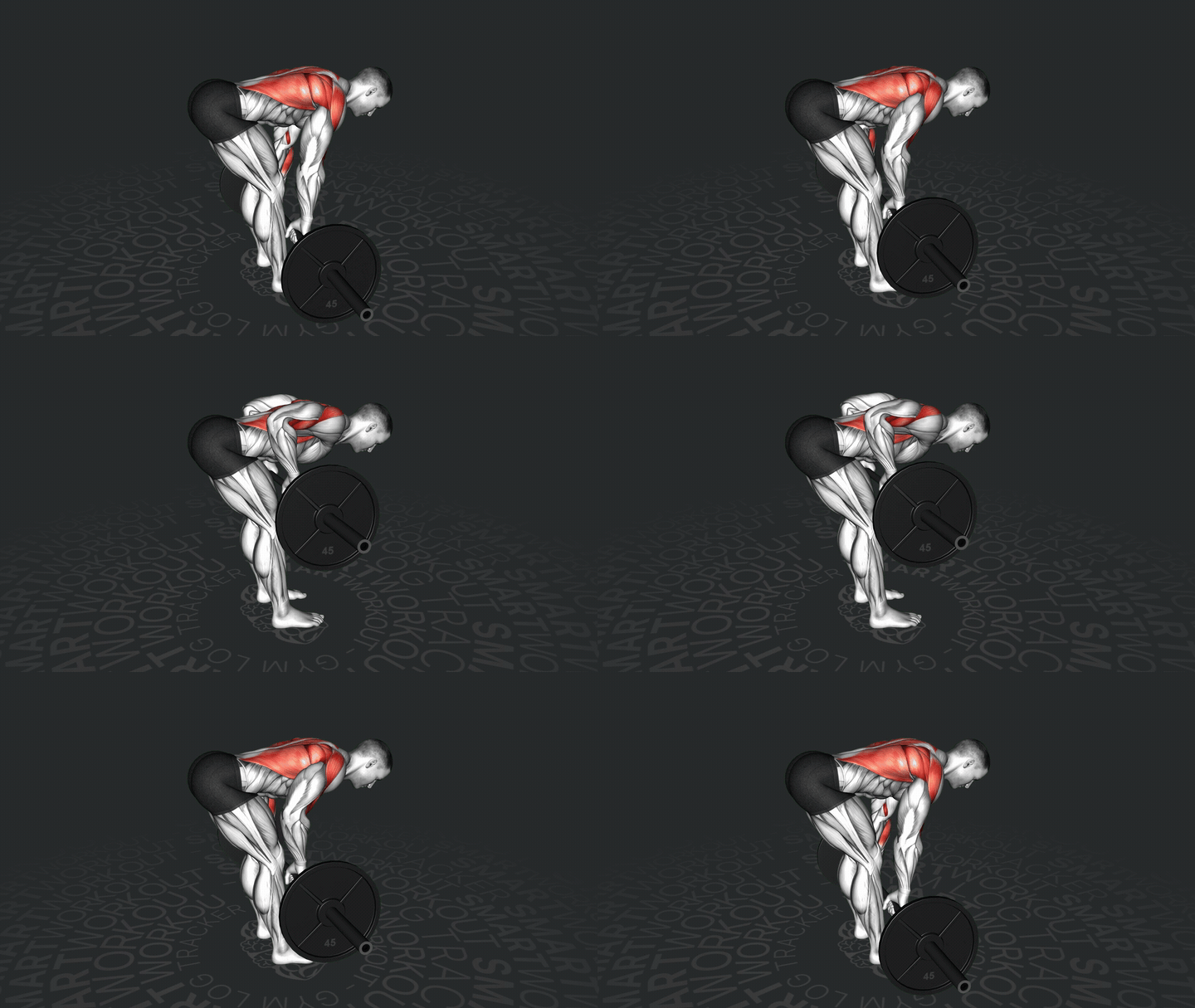
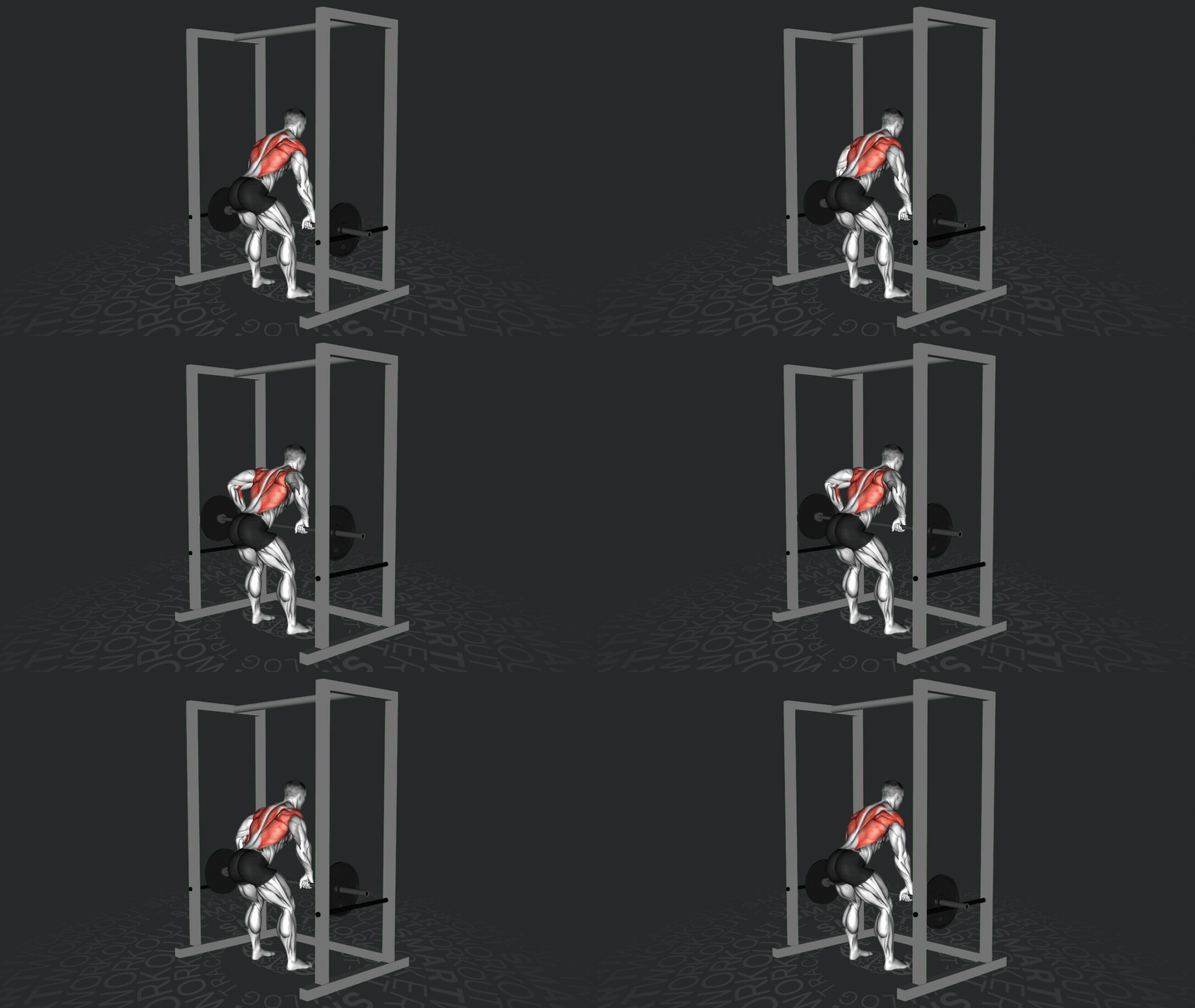
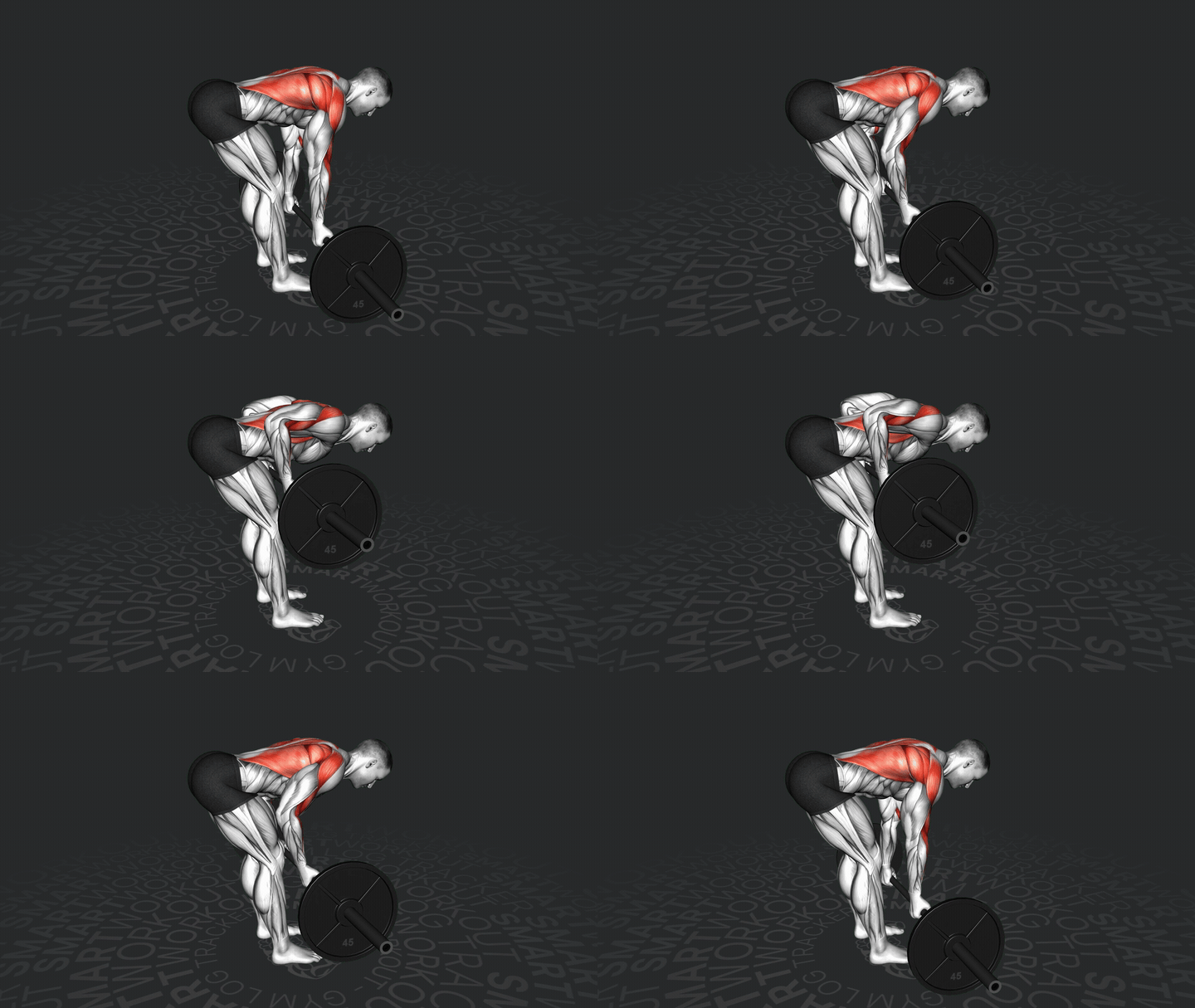
The Pendlay Row is a barbell exercise that targets the upper back, lats, and traps. It emphasizes strict form and explosive power from a dead stop position, making it an effective movement for building strength and muscle mass in the back.
exercise_detail.how_to_perform
- Stand with your feet shoulder-width apart and position a loaded barbell on the floor in front of you.
- Bend at the hips and knees to lower your torso until it is nearly parallel to the ground, maintaining a neutral spine.
- Grip the barbell with an overhand grip, slightly wider than shoulder-width.
- Engage your core and retract your shoulder blades.
- Lift the barbell explosively from the floor to your lower chest, keeping your elbows close to your body.
- Pause briefly at the top of the movement, then lower the barbell back to the floor under control.
- Reset your position and repeat for the desired number of repetitions.
exercise_detail.what_muscles_work
exercise_detail.primary_muscle:
exercise_detail.secondary_muscles:
exercise_detail.tips
- Ensure your back remains flat throughout the movement to avoid injury.
- Keep your head in a neutral position by looking slightly ahead on the ground.
- Focus on pulling with your elbows rather than your hands to engage your back muscles more effectively.
- Use a controlled motion when lowering the barbell to maintain tension in the muscles.
- Start with a lighter weight to perfect your form before progressing to heavier loads.
- Maintain a strong core engagement to stabilize your body during each rep.
exercise_detail.common_mistakes
- Using momentum to lift the bar instead of controlled muscle engagement.
- Not maintaining a neutral spine, leading to excessive rounding of the back.
- Lifting the bar too high, causing shoulder strain.
- Allowing the hips to rise, reducing the focus on the back muscles.
- Failing to fully return the bar to the ground between reps, leading to partial range of motion.
- Not engaging the core, resulting in instability and reduced power.
- Pulling with the arms instead of initiating the movement with the back muscles.
- Positioning the feet too close together, compromising balance and stability.
- Not keeping the elbows close to the body, which can lead to shoulder stress.
exercise_detail.recommended_exercises
exercise_detail.recommended_exercises_intro
exercise_detail.app_ad.title
exercise_detail.app_ad.description