Seal Row
enums.exercise_tag.STRENGTHenums.exercise_tag.PULL
exercise_detail.body_part: enums.body_part.BACK
exercise_detail.description
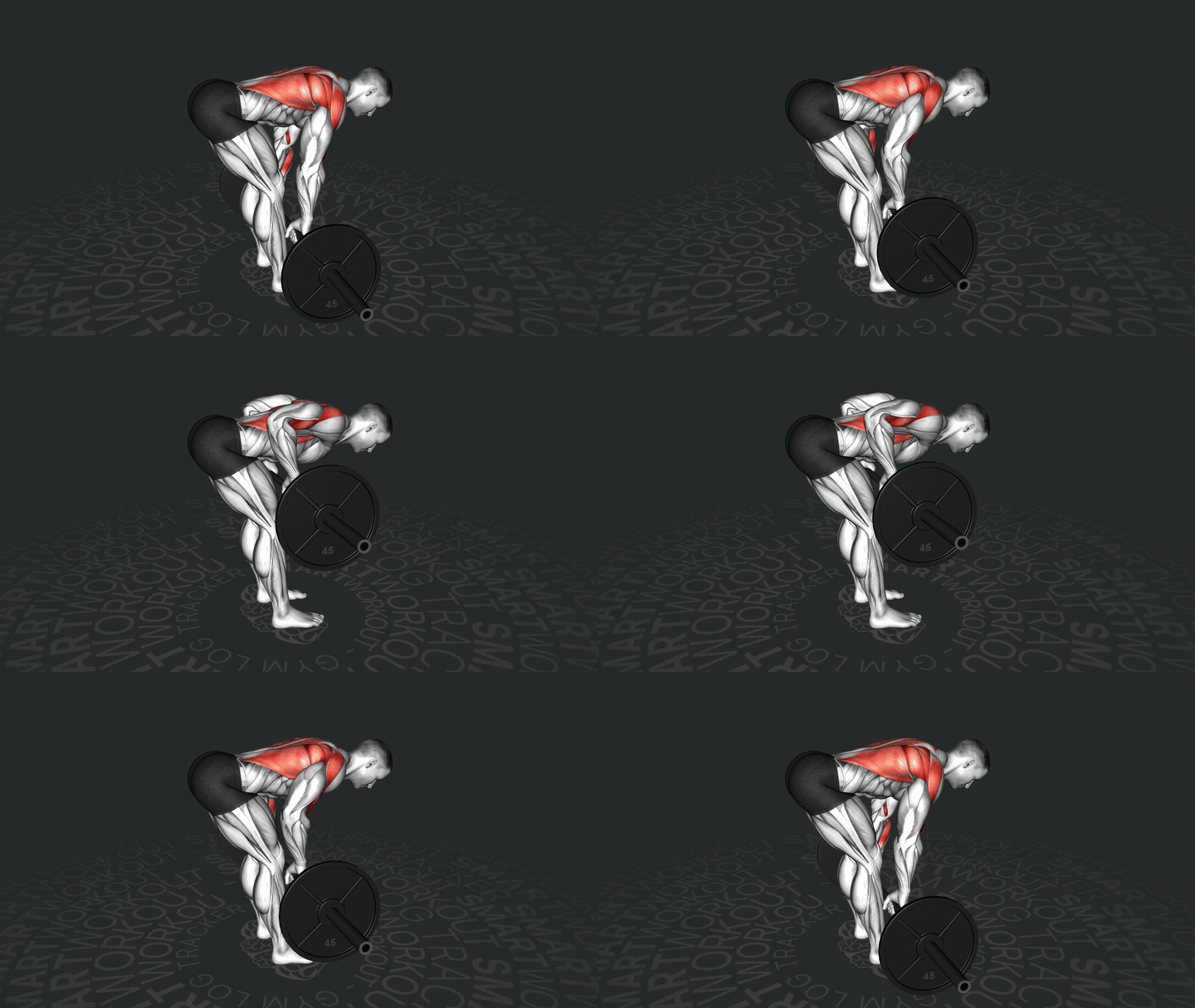
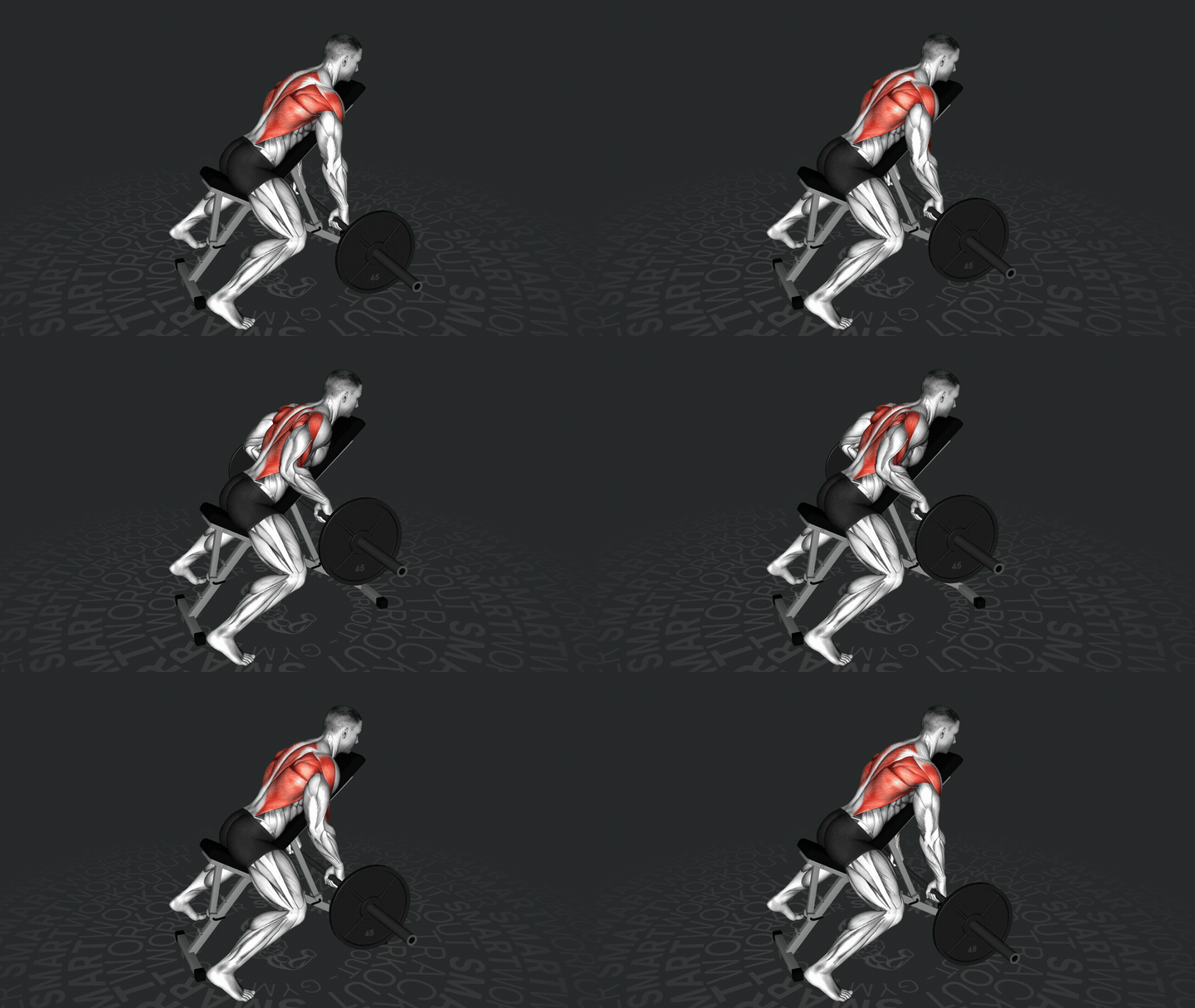
The Seal Row is a strength training exercise targeting the upper back, specifically the rhomboids, traps, and rear deltoids. It is performed lying face down on a bench with weights, typically dumbbells or a barbell, pulled towards the chest. This exercise helps improve posture and enhances upper body strength.
exercise_detail.how_to_perform
- Set up a flat bench elevated on blocks or platforms to allow full range of motion for the weights.
- Lie face down on the bench with your chest supported and feet planted firmly on the ground.
- Grip the weights (dumbbells or barbell) with an overhand grip, arms fully extended towards the floor.
- Engage your core and keep your body stable throughout the movement.
- Pull the weights towards your chest by retracting your shoulder blades and bending your elbows.
- Pause briefly at the top of the movement, ensuring maximum contraction in the upper back muscles.
- Slowly lower the weights back to the starting position with control.
- Repeat for the desired number of repetitions.
exercise_detail.what_muscles_work
exercise_detail.primary_muscle:
exercise_detail.secondary_muscles:
exercise_detail.tips
- Ensure the bench is high enough to allow full range of motion without weights touching the ground.
- Focus on squeezing your shoulder blades together at the top of each rep for maximum muscle engagement.
- Keep your neck in a neutral position to avoid strain; do not lift your head during the exercise.
- Maintain a controlled tempo throughout to maximize muscle tension and avoid momentum.
- Start with lighter weights to perfect form before progressing to heavier loads.
- Breathe out as you pull the weights up and inhale as you lower them back down.
exercise_detail.common_mistakes
- Lifting the chest off the bench, causing instability and reducing back engagement.
- Using momentum to lift the weights, leading to poor muscle activation.
- Allowing the elbows to flare out excessively, which can strain the shoulders.
- Not fully extending the arms at the bottom, limiting the range of motion.
- Rounding the shoulders forward, which disengages the upper back muscles.
- Pulling the weights too high, causing the wrists to bend awkwardly.
- Failing to maintain a neutral spine, increasing the risk of lower back strain.
- Using too much weight, compromising form and control.
exercise_detail.recommended_exercises
exercise_detail.recommended_exercises_intro
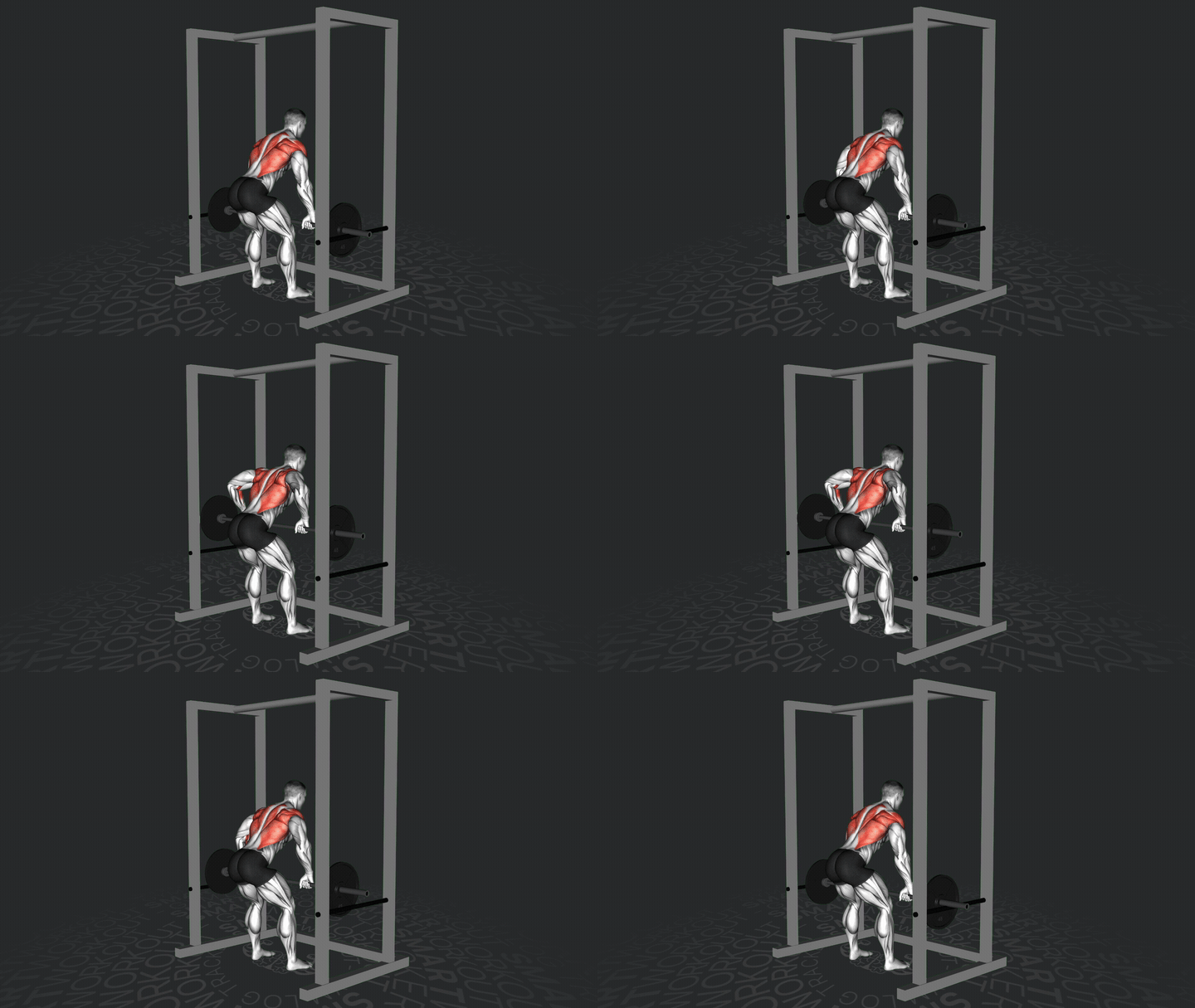
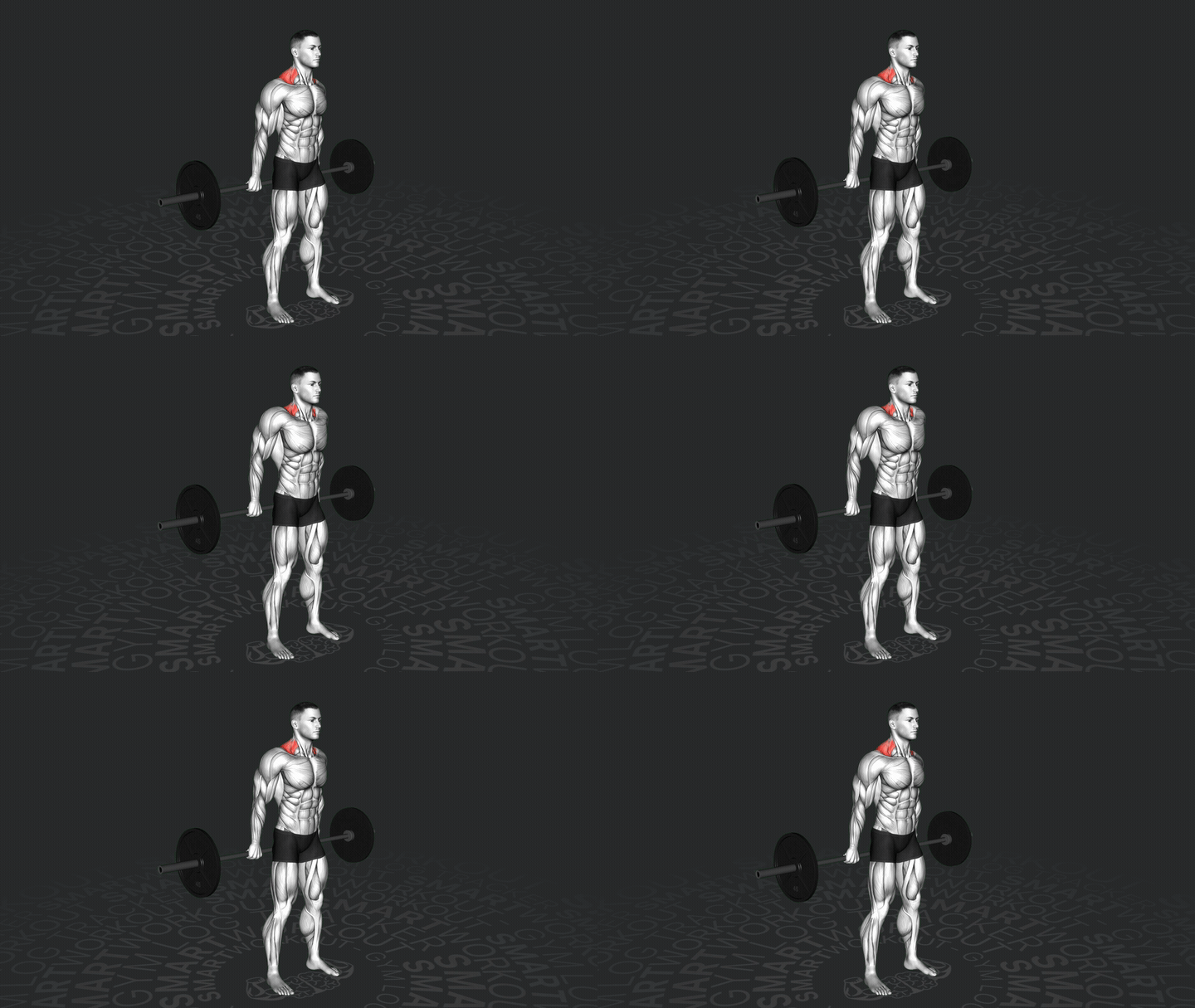
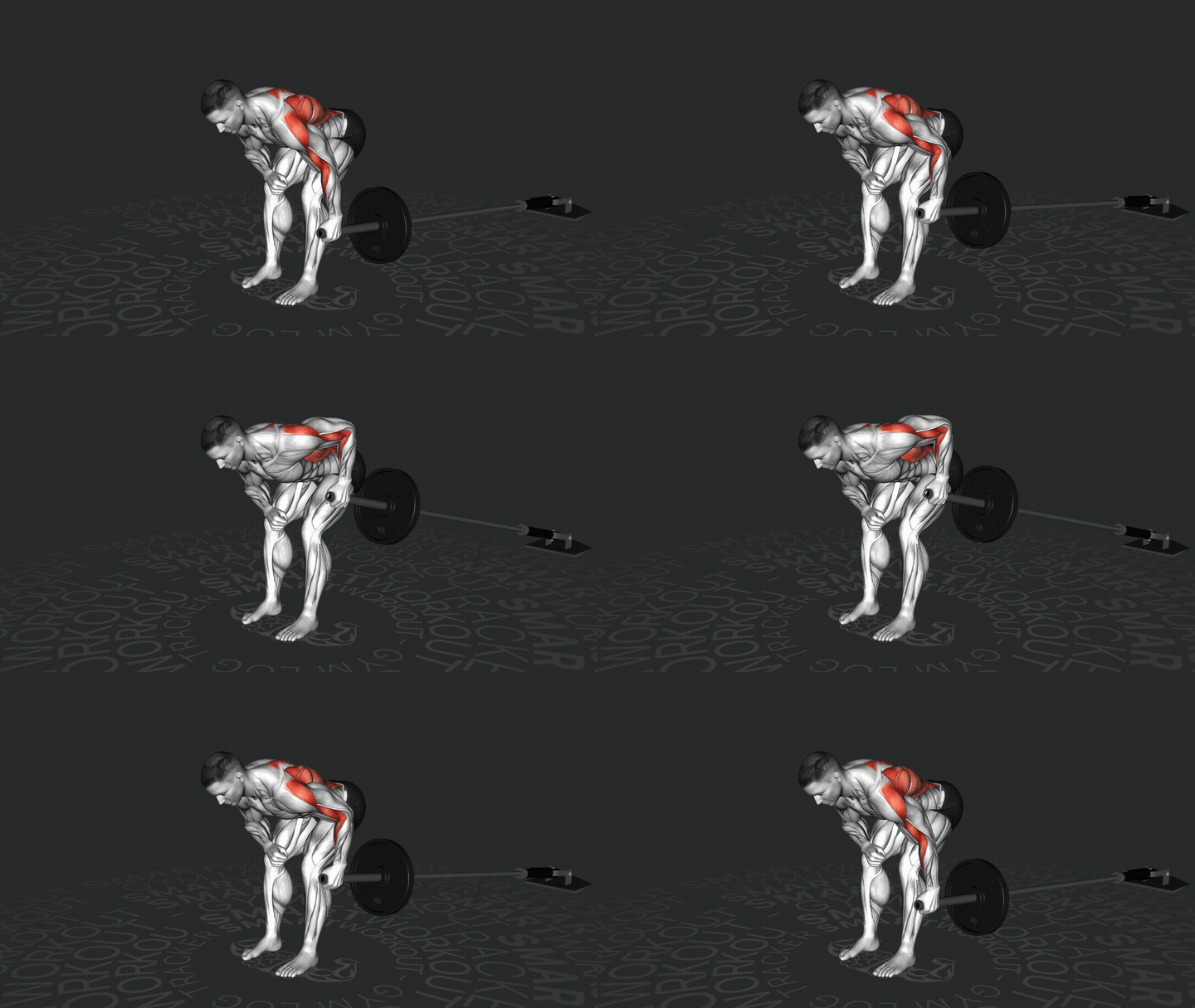
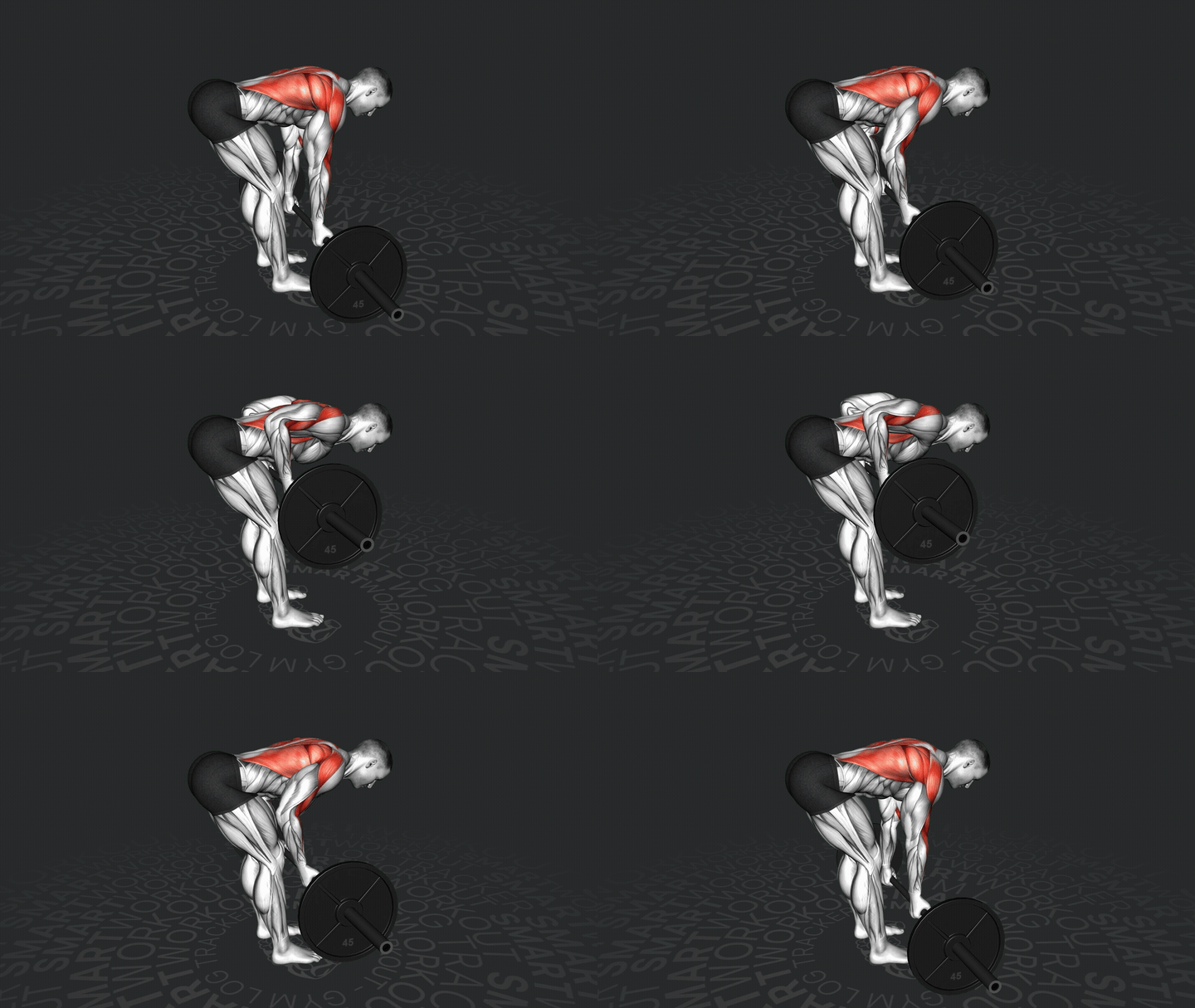
exercise_detail.app_ad.title
exercise_detail.app_ad.description