Double Dumbbell Bent Over Row
enums.exercise_tag.STRENGTHenums.exercise_tag.PULL
exercise_detail.body_part: enums.body_part.BACK
exercise_detail.description
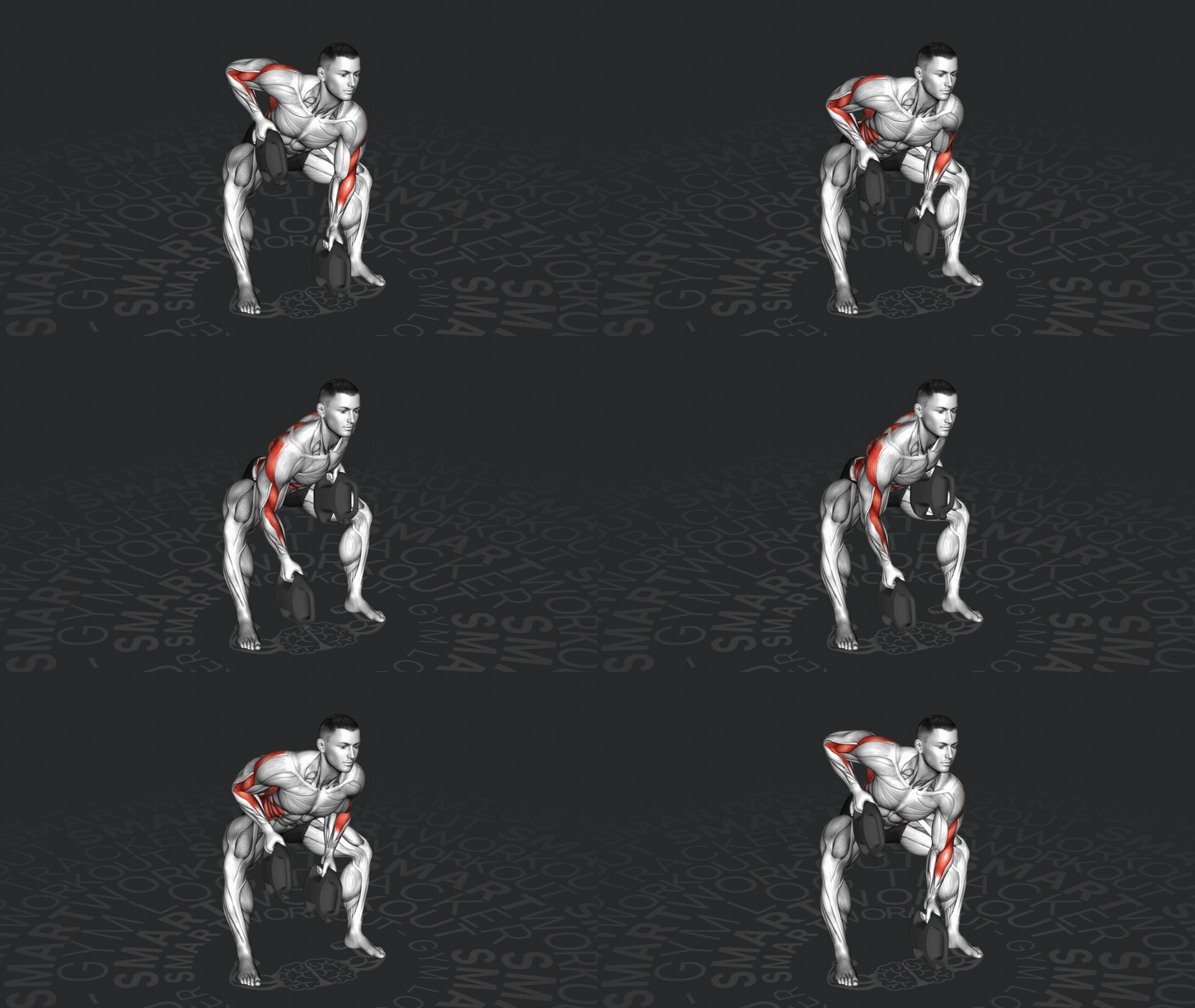
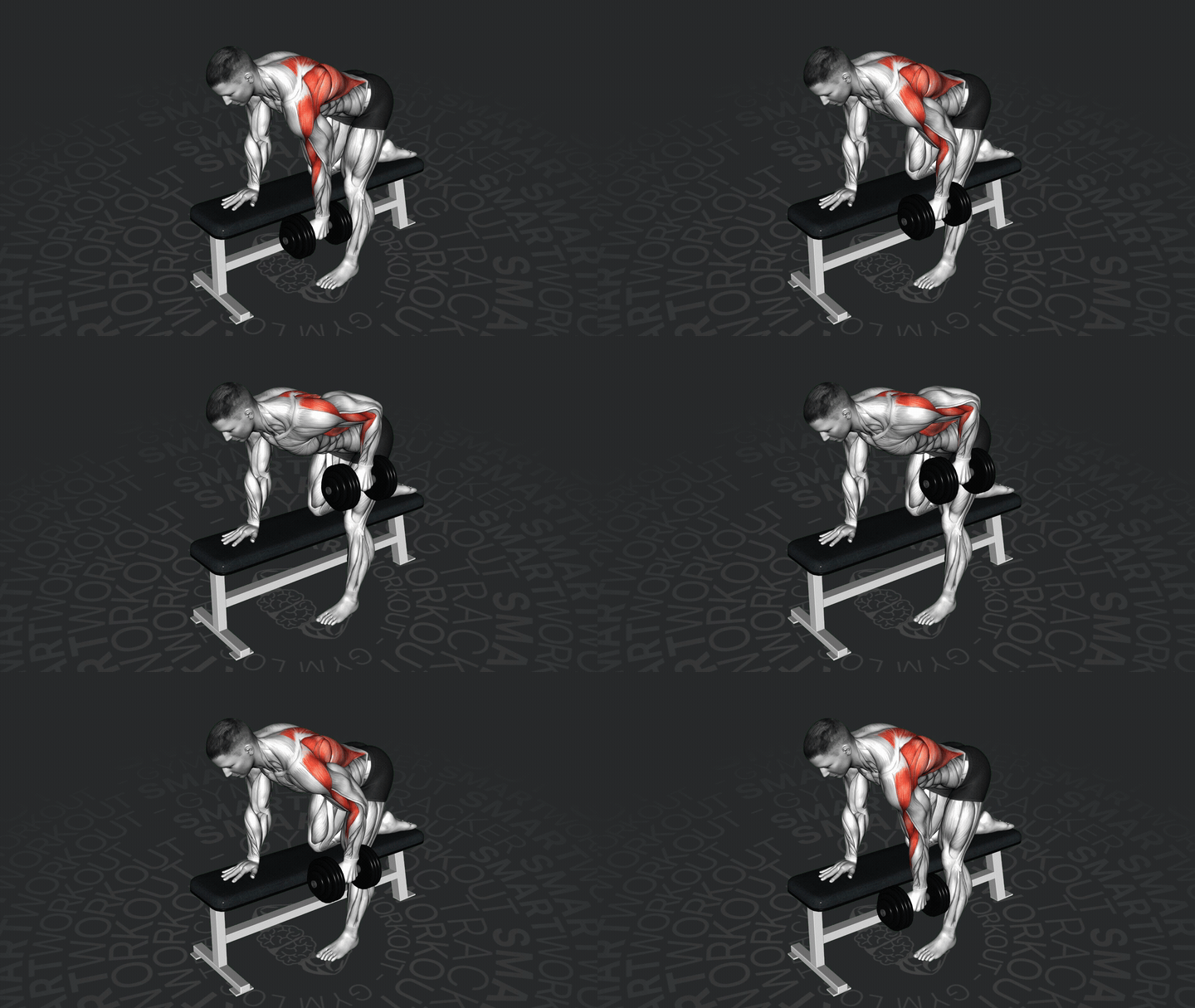
The Double Dumbbell Bent Over Row is a compound exercise targeting the upper back, shoulders, and arms. It involves bending at the hips while maintaining a neutral spine to lift two dumbbells towards the torso. This exercise enhances muscle strength and endurance in the back and improves posture.
exercise_detail.how_to_perform
- Stand with feet shoulder-width apart, holding a dumbbell in each hand with a neutral grip.
- Bend your knees slightly and hinge forward at the hips, keeping your back straight and core engaged.
- Let the dumbbells hang at arm's length below your shoulders, palms facing each other.
- Pull the dumbbells towards your torso by bending your elbows and squeezing your shoulder blades together.
- Pause briefly at the top of the movement, then slowly lower the dumbbells back to the starting position.
- Repeat for the desired number of repetitions.
exercise_detail.what_muscles_work
exercise_detail.primary_muscle:
exercise_detail.secondary_muscles:
exercise_detail.tips
- Keep your back flat and avoid rounding your shoulders to prevent strain.
- Engage your core throughout the exercise to maintain stability.
- Focus on squeezing your shoulder blades together at the top of each rep for maximum contraction.
- Control the movement; avoid using momentum to lift the weights.
- Start with lighter weights to ensure proper form before progressing to heavier dumbbells.
exercise_detail.common_mistakes
- Rounding the back instead of maintaining a neutral spine.
- Using momentum by swinging the body instead of controlled lifting.
- Allowing the elbows to flare out excessively, reducing lat engagement.
- Pulling the weights too high, leading to shoulder impingement risk.
- Standing too upright, reducing the effectiveness of the exercise.
- Not retracting the shoulder blades fully at the top of the movement.
- Failing to engage the core, leading to potential lower back strain.
- Letting the wrists curl, which shifts tension away from the back muscles.
- Not lowering the dumbbells fully, limiting the range of motion.
- Using weights that are too heavy, compromising form and control.
exercise_detail.recommended_exercises
exercise_detail.recommended_exercises_intro
exercise_detail.app_ad.title
exercise_detail.app_ad.description