Dumbbell Cross Body Hammer Curl
enums.exercise_tag.STRENGTHenums.exercise_tag.PULL
exercise_detail.body_part: enums.body_part.BICEPS
exercise_detail.description
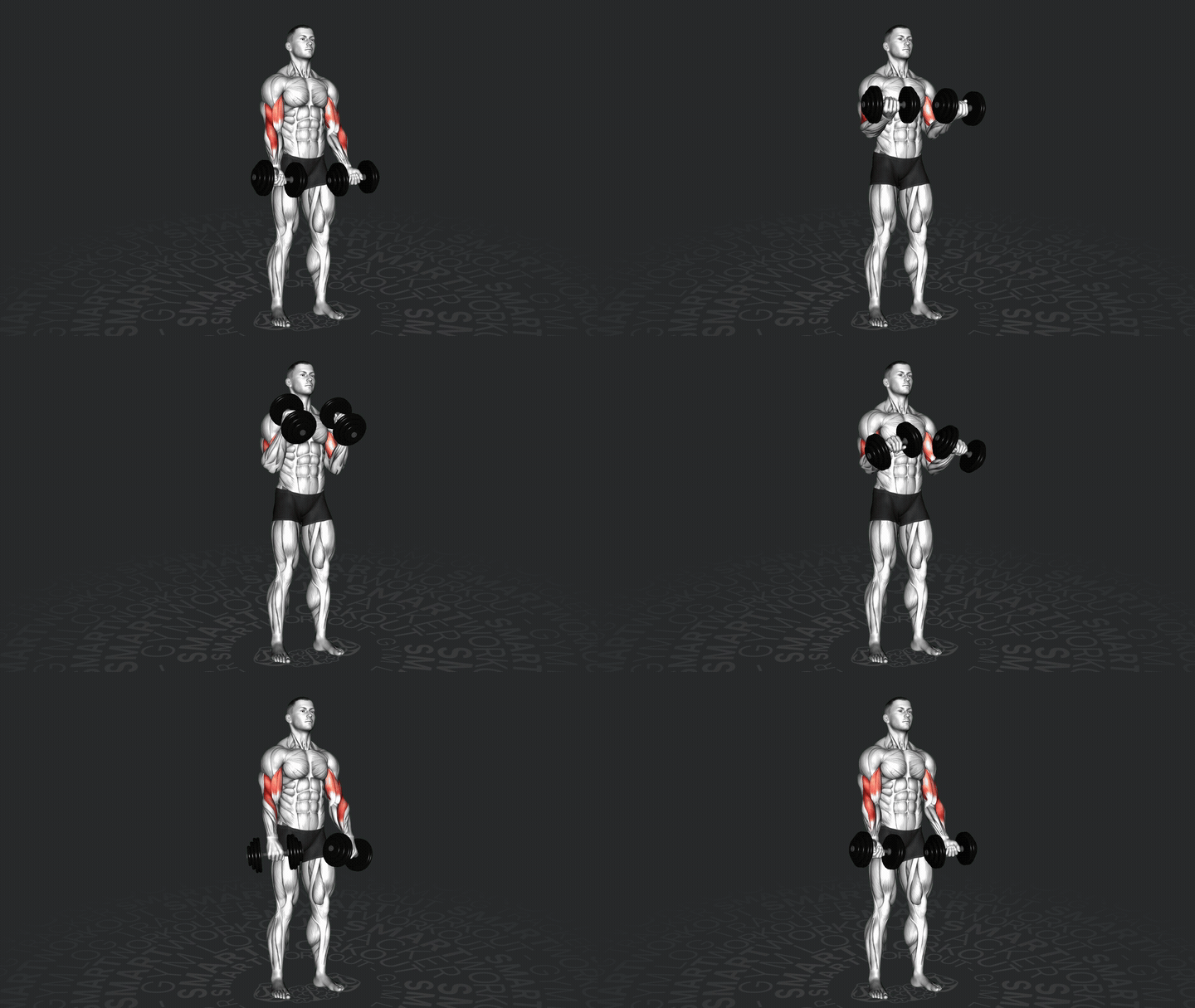
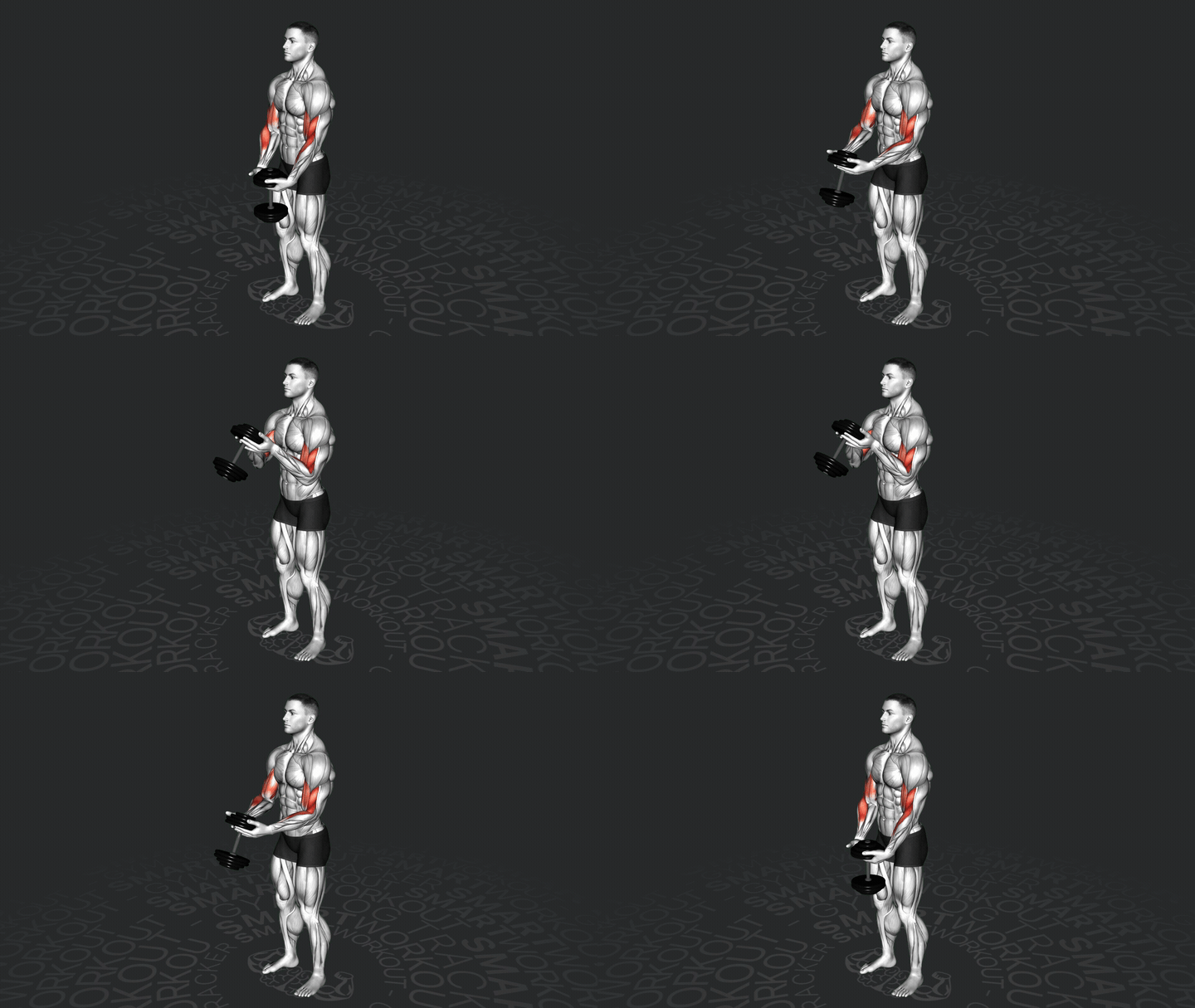
The Dumbbell Cross Body Hammer Curl is an isolation exercise targeting the brachialis, brachioradialis, and biceps brachii muscles. This variation emphasizes the forearms and the outer head of the biceps, promoting arm strength and muscle balance.
exercise_detail.how_to_perform
- Stand upright with feet shoulder-width apart, holding a dumbbell in each hand with a neutral grip (palms facing each other).
- Keep your elbows close to your torso and your shoulders relaxed.
- Starting with the right arm, curl the dumbbell across your body towards the left shoulder while keeping your upper arm stationary.
- Squeeze the biceps at the top of the movement and pause briefly.
- Slowly lower the dumbbell back to the starting position.
- Repeat with the left arm, curling towards the right shoulder.
- Continue alternating arms for the desired number of repetitions.
exercise_detail.what_muscles_work
exercise_detail.primary_muscle:
exercise_detail.secondary_muscles:
exercise_detail.tips
- Maintain a controlled motion throughout the exercise to maximize muscle engagement.
- Avoid swinging or using momentum to lift the weights; focus on isolating the biceps and forearms.
- Keep your core engaged to maintain balance and prevent unnecessary movement.
- Breathe out as you lift the dumbbell and inhale as you lower it.
- Start with a lighter weight to ensure proper form before progressing to heavier weights.
exercise_detail.common_mistakes
- Swinging the body or using momentum to lift the dumbbells.
- Allowing the elbows to flare out instead of keeping them close to the body.
- Lifting the dumbbells too high, causing shoulder engagement instead of isolating the biceps.
- Not maintaining a neutral wrist position, leading to wrist strain.
- Failing to control the descent, resulting in a fast and uncontrolled lowering phase.
- Using too heavy weights, compromising form and reducing bicep activation.
- Leaning backward or forward, causing instability and poor posture.
- Not fully engaging the biceps throughout the movement, leading to reduced effectiveness.
exercise_detail.recommended_exercises
exercise_detail.recommended_exercises_intro
exercise_detail.app_ad.title
exercise_detail.app_ad.description