Dumbbell Incline Alternate Supinated Curl
enums.exercise_tag.STRENGTHenums.exercise_tag.PULL
exercise_detail.body_part: enums.body_part.BICEPS
exercise_detail.description
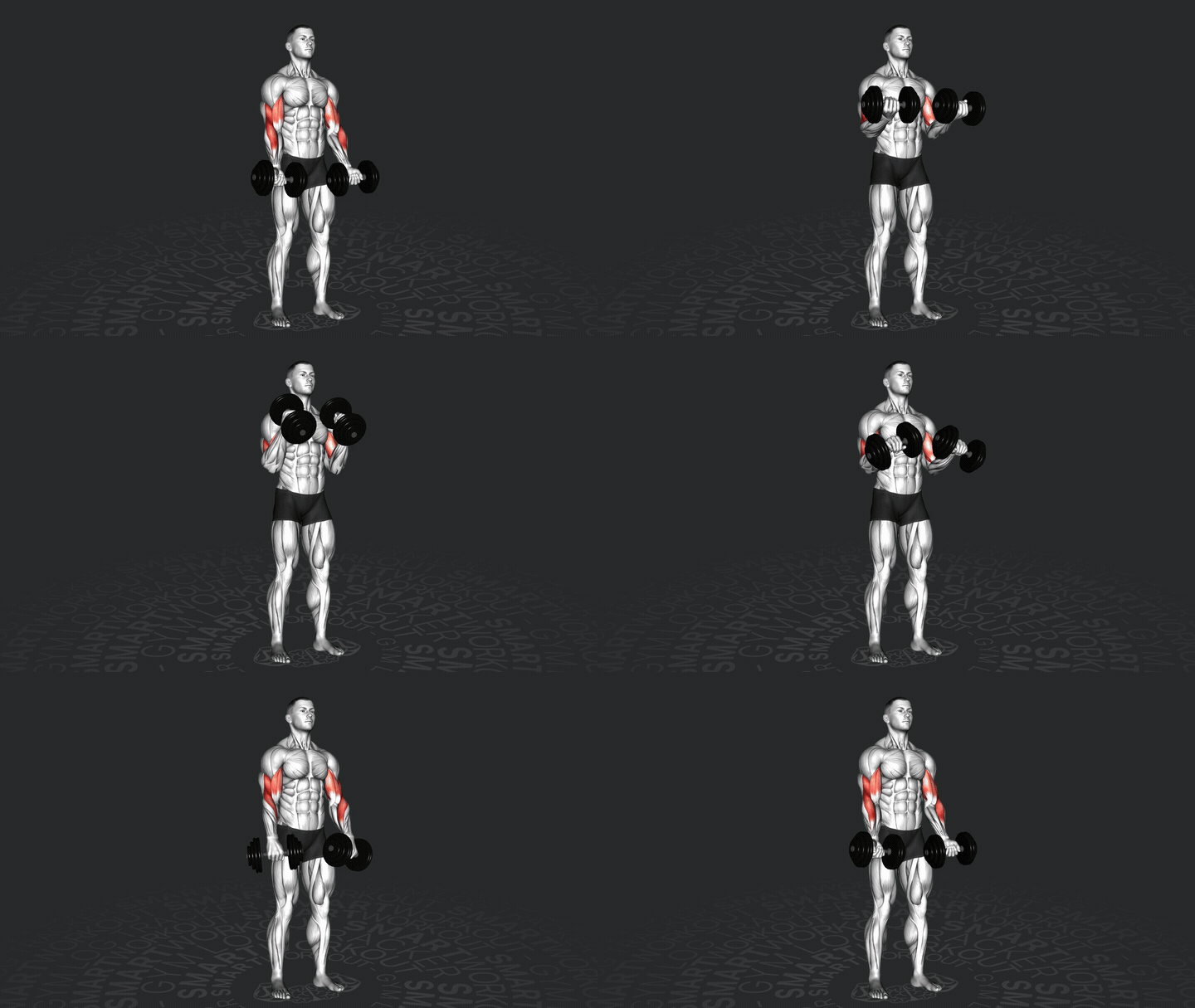
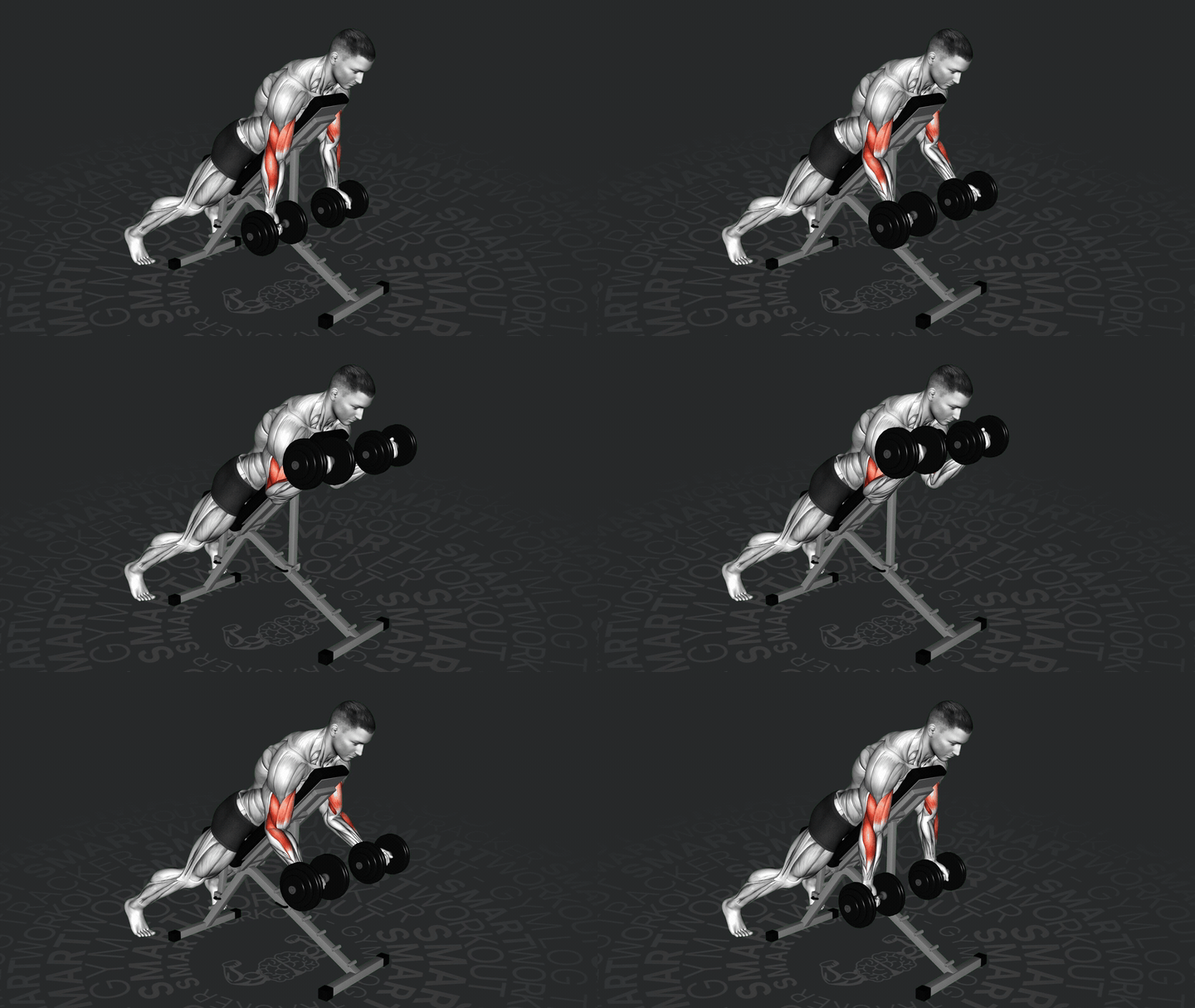
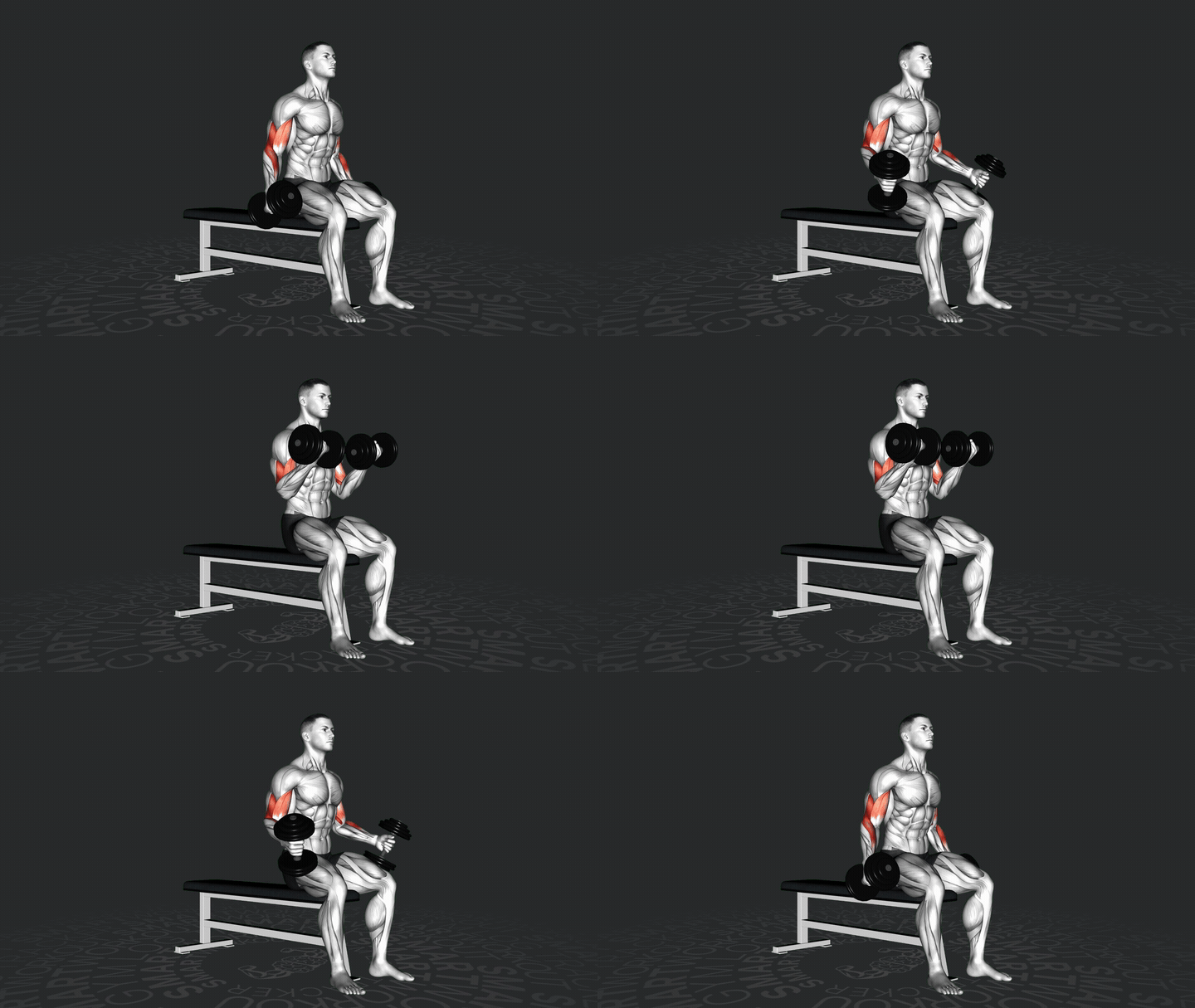
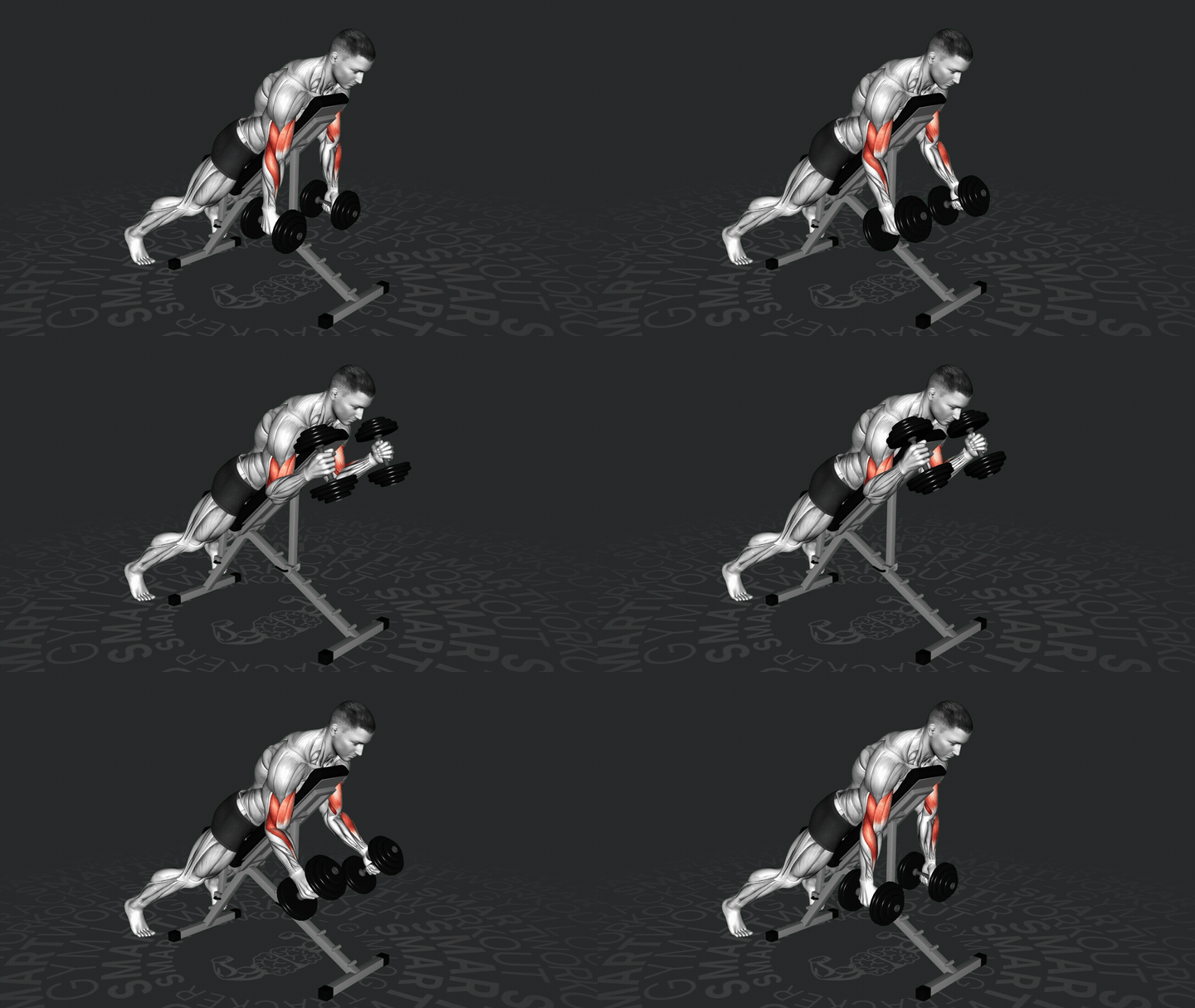
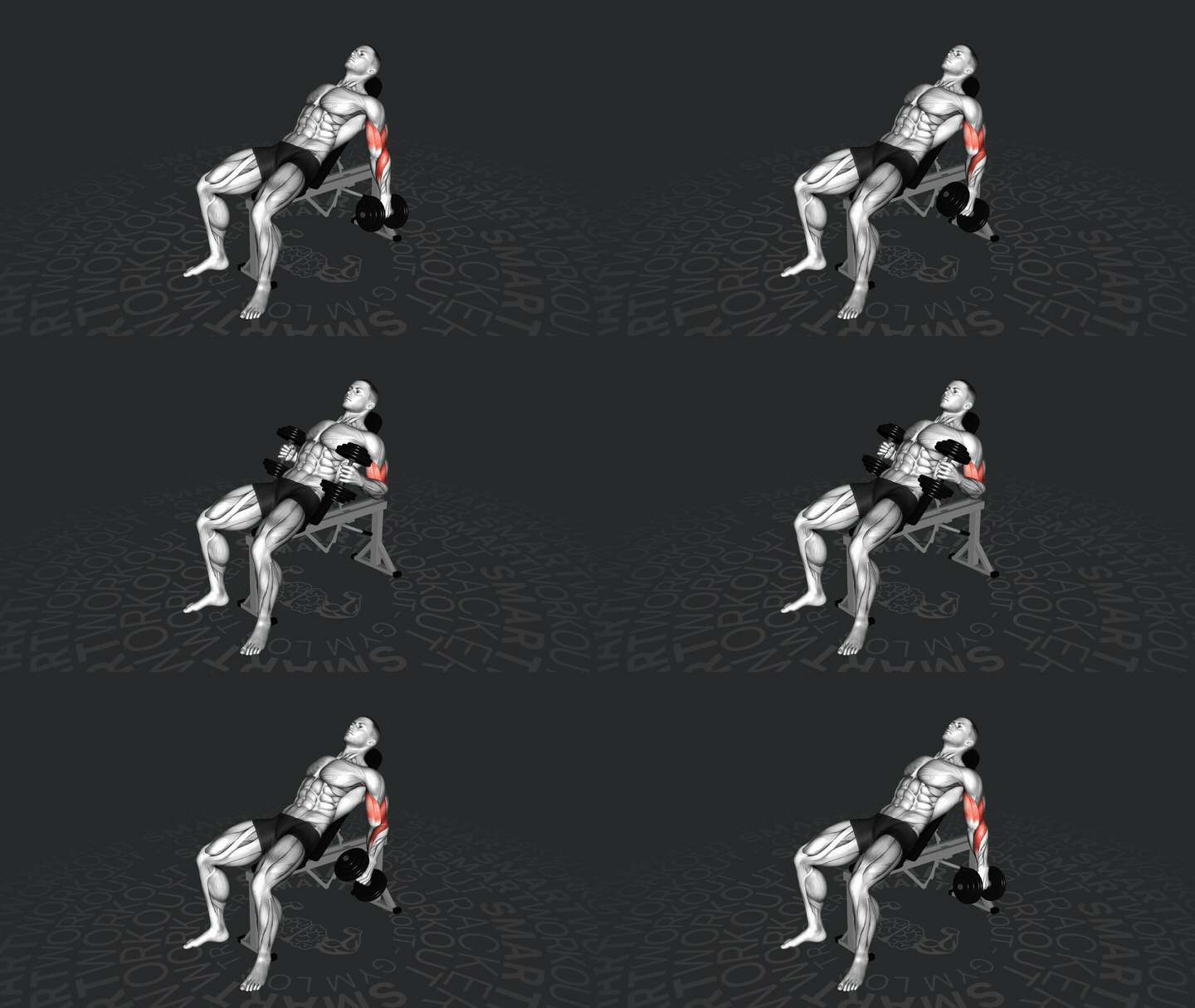
The Dumbbell Incline Alternate Supinated Curl is an isolation exercise targeting the biceps brachii. Performed on an incline bench, it emphasizes the long head of the biceps by maintaining a supinated (palm-up) grip throughout the movement. This exercise helps in developing peak bicep strength and size while also engaging the forearms.
exercise_detail.how_to_perform
- Set an incline bench to a 30-45 degree angle.
- Sit on the bench with your back firmly against the pad and feet flat on the floor.
- Hold a dumbbell in each hand with your arms fully extended and palms facing forward (supinated grip).
- Keep your elbows close to your torso and curl one dumbbell towards your shoulder by contracting your biceps.
- Pause briefly at the top of the movement, ensuring maximum contraction.
- Slowly lower the dumbbell back to the starting position.
- Repeat the movement with the opposite arm.
- Continue alternating arms for the desired number of repetitions.
exercise_detail.what_muscles_work
exercise_detail.primary_muscle:
exercise_detail.secondary_muscles:
exercise_detail.tips
- Maintain a controlled motion throughout to maximize muscle engagement.
- Avoid swinging or using momentum to lift the weights; focus on isolating the biceps.
- Keep your elbows stationary and close to your sides to prevent shoulder involvement.
- Exhale as you curl the weight up and inhale as you lower it back down.
- Ensure your back remains pressed against the bench to prevent arching.
- Use a lighter weight if you struggle to maintain proper form.
exercise_detail.common_mistakes
- Using momentum to lift the weight instead of controlled muscle contraction.
- Allowing the elbows to flare out, reducing bicep engagement.
- Leaning back excessively on the incline bench, compromising form.
- Not fully supinating the wrist, limiting bicep activation.
- Swinging the dumbbells, leading to poor muscle isolation.
- Raising the shoulders during the curl, engaging the traps instead of the biceps.
- Failing to maintain a neutral wrist position, increasing strain on the joints.
- Not lowering the dumbbell fully, shortening the range of motion.
- Curling both arms simultaneously, instead of alternating, which can reduce focus and control.
- Rushing through the movement, which can lead to loss of control and engagement.
exercise_detail.recommended_exercises
exercise_detail.recommended_exercises_intro
exercise_detail.app_ad.title
exercise_detail.app_ad.description