Reverse Wrist Push-Up
Track Reverse Wrist Push-Up in SmartWorkout and watch your numbers go up
Log sets, weights and progress for free, with no workout limits.


Description
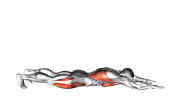
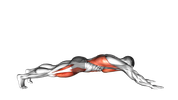
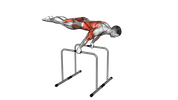
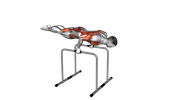
The Reverse Wrist Push-Up is an advanced bodyweight exercise targeting the forearms, wrists, and finger flexors. It involves performing a push-up with the wrists in a reversed position, which places significant stress on the wrist joints and forearm muscles. This exercise requires a high level of wrist flexibility and strength, making it suitable only for experienced individuals.
How to Perform
- Begin by kneeling on the floor with your hands placed shoulder-width apart, fingers pointing towards your knees.
- Slowly lean forward, placing your weight onto your hands while keeping your elbows slightly bent.
- Ensure your wrists are directly under your shoulders and maintain a straight line from your head to your knees.
- Lower your body by bending your elbows until your chest is close to the ground, keeping your core engaged.
- Push through your palms to return to the starting position, maintaining control throughout the movement.
- Repeat for the desired number of repetitions.
What Muscles Work
Primary Muscle:
Secondary Muscles:
Tips
- Warm up thoroughly before attempting this exercise to prepare your wrists and forearms.
- Start with a limited range of motion and gradually increase as you build strength and flexibility.
- Focus on maintaining a neutral wrist position to minimize strain and reduce the risk of injury.
- If you experience any pain or discomfort, stop immediately and reassess your form or consult a professional.
- Incorporate wrist mobility exercises into your routine to improve flexibility over time.
- Consider using a padded surface or mat to reduce pressure on the wrists during the exercise.
Common Mistakes
- Placing hands too far apart, reducing stability and control.
- Allowing elbows to flare out excessively, diminishing wrist engagement.
- Dropping hips, leading to poor alignment and reduced core activation.
- Failing to keep wrists in a neutral position, increasing strain on joints.
- Performing the movement too quickly, compromising control and effectiveness.
- Not maintaining a straight line from head to heels, causing misalignment.
- Neglecting to engage the core, resulting in a sagging midsection.
- Bending the wrists excessively, risking strain or discomfort.
- Using a limited range of motion, reducing muscle activation.
- Allowing shoulders to collapse, decreasing upper body engagement.
Recommended Exercises
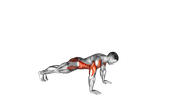
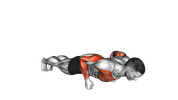
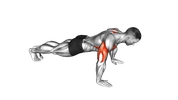
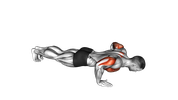
Explore exercises related to Reverse Wrist Push-Up for chest training and similar movement patterns.






Choose a workout plan or create your own for free
Ready-made plans for every goal, a free plan creator, hundreds of exercises and an advanced workout journal: all in SmartWorkout.
Start with a free plan. Keep progressing with SmartWorkout.
- users
- 200k+
- exercises with technique guides
- 1,000+
- workouts on the free plan
- ∞