Weighted Push-Up
StrengthPush
Track Weighted Push-Up in SmartWorkout and watch your numbers go up
Log sets, weights and progress for free, with no workout limits.


Body Part: Chest
Description
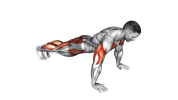
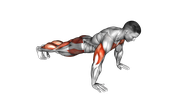
The Weighted Push-Up is a compound upper body exercise that targets the chest, shoulders, and triceps. By adding weight, this variation increases resistance, enhancing muscle strength and endurance. It requires proper form to ensure safety and effectiveness.
How to Perform
- Begin by placing a weight plate or weighted vest on your back. Ensure the weight is centered and secure.
- Assume a standard push-up position with hands slightly wider than shoulder-width apart and feet together.
- Engage your core to maintain a straight line from head to heels.
- Lower your body by bending your elbows until your chest nearly touches the ground.
- Push through your palms to extend your arms and return to the starting position.
- Repeat for the desired number of repetitions.
What Muscles Work
Primary Muscle:
Secondary Muscles:
Tips
- Start with a manageable weight to master the form before increasing resistance.
- Keep your elbows at a 45-degree angle to your body to protect your shoulders.
- Maintain a neutral spine by engaging your core throughout the movement.
- Ensure the weight is stable on your back to prevent shifting during the exercise.
- Breathe in as you lower yourself and exhale as you push back up.
- If using a weight plate, have a partner assist in placing and removing it safely.
Common Mistakes
- Placing the weight too high on the back, leading to shoulder strain.
- Allowing the elbows to flare out excessively, reducing triceps engagement.
- Sagging the hips, causing lower back strain.
- Failing to maintain a neutral neck position, leading to neck discomfort.
- Not engaging the core, resulting in poor stability and form.
- Dropping too quickly without control, risking shoulder and wrist injury.
- Not achieving a full range of motion, limiting muscle activation.
- Uneven weight distribution, causing imbalance and potential muscle strain.
- Incorrect hand placement, reducing chest and shoulder activation.
- Locking out elbows at the top, increasing joint stress.
Recommended Exercises
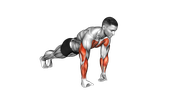
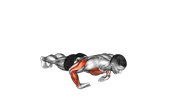
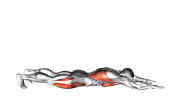
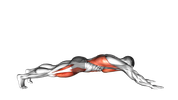
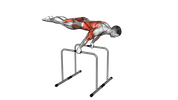
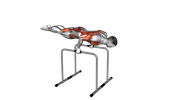
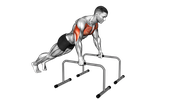
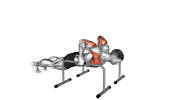
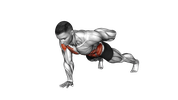
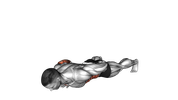
Explore exercises related to Weighted Push-Up for chest training and similar movement patterns.
Choose a workout plan or create your own - for free
Ready-made plans for every goal, a free plan creator, hundreds of exercises and an advanced workout journal - all in SmartWorkout.