Barbell Glute Bridge
StrengthFunctional
Track Barbell Glute Bridge in SmartWorkout and watch your numbers go up
Log sets, weights and progress for free, with no workout limits.


Body Part: Glutes
Description
The Barbell Glute Bridge is a compound exercise targeting the gluteal muscles, primarily the gluteus maximus. It involves lifting the hips off the ground while supporting a barbell across the hips, effectively engaging the lower body and core.
How to Perform
- Begin by sitting on the floor with your upper back resting against a bench and your feet flat on the ground, hip-width apart.
- Roll a barbell over your legs until it is positioned directly above your hips. Use a pad to cushion your hips if necessary.
- Brace your core and squeeze your glutes as you drive through your heels to lift your hips towards the ceiling.
- Ensure that your body forms a straight line from shoulders to knees at the top of the movement.
- Pause briefly at the top, then slowly lower your hips back to the starting position without touching the ground.
- Repeat for the desired number of repetitions.
What Muscles Work
Primary Muscle:
Secondary Muscles:
Tips
- Keep your chin tucked and gaze forward to maintain a neutral spine throughout the movement.
- Focus on squeezing your glutes at the top of each rep for maximum muscle engagement.
- Avoid arching your lower back; maintain a straight line from shoulders to knees.
- Ensure that your feet are placed firmly on the ground and do not shift during the exercise.
- Start with a lighter weight to master form before progressing to heavier loads.
Common Mistakes
- Placing the barbell too high on the hips, leading to discomfort and reduced effectiveness.
- Arching the lower back excessively, causing strain and reducing glute activation.
- Allowing knees to collapse inward, which decreases glute engagement and can strain the knees.
- Failing to keep feet flat on the ground, reducing stability and power.
- Using momentum to lift the barbell instead of controlled muscle contraction.
- Not fully extending the hips at the top, limiting glute activation.
- Positioning feet too far apart or too close together, affecting balance and muscle engagement.
- Rushing through repetitions, which can compromise form and control.
- Neglecting to engage the core, leading to instability and poor posture.
Recommended Exercises
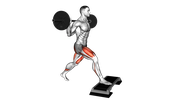
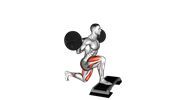
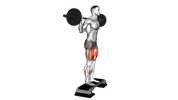
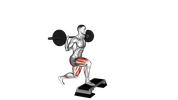
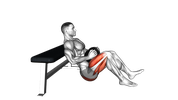
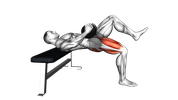
Explore exercises related to Barbell Glute Bridge for glutes training and similar movement patterns.
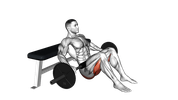
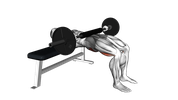
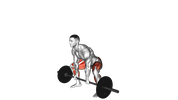
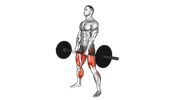
Choose a workout plan or create your own for free
Ready-made plans for every goal, a free plan creator, hundreds of exercises and an advanced workout journal: all in SmartWorkout.
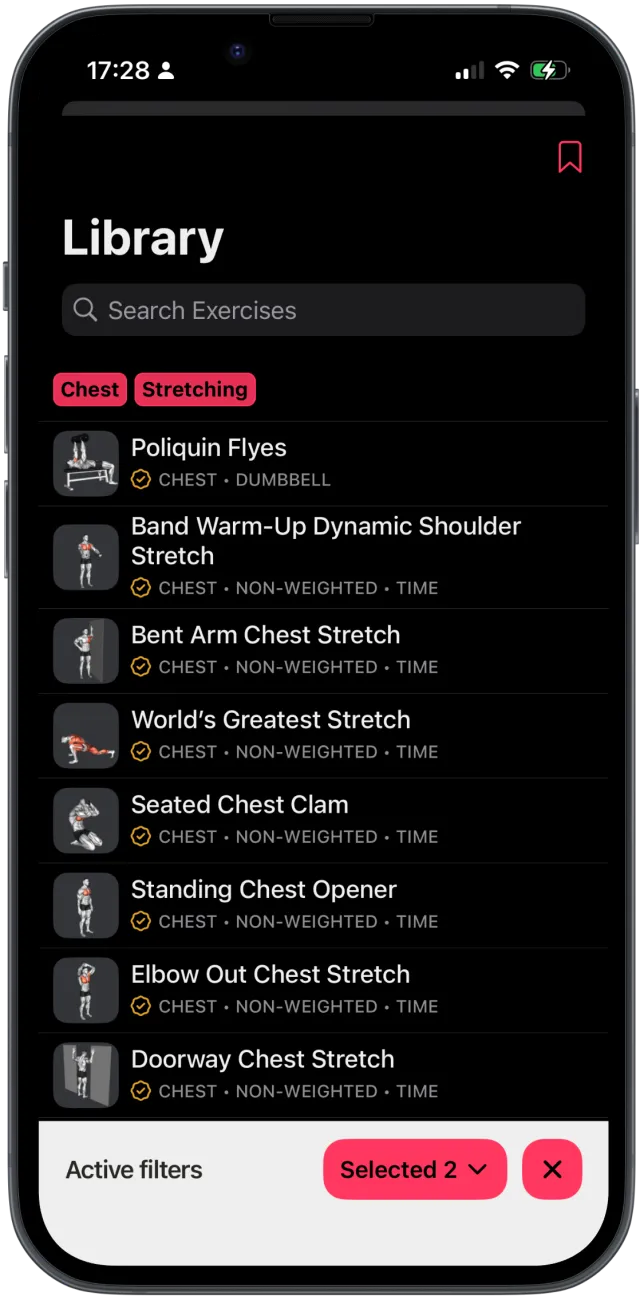
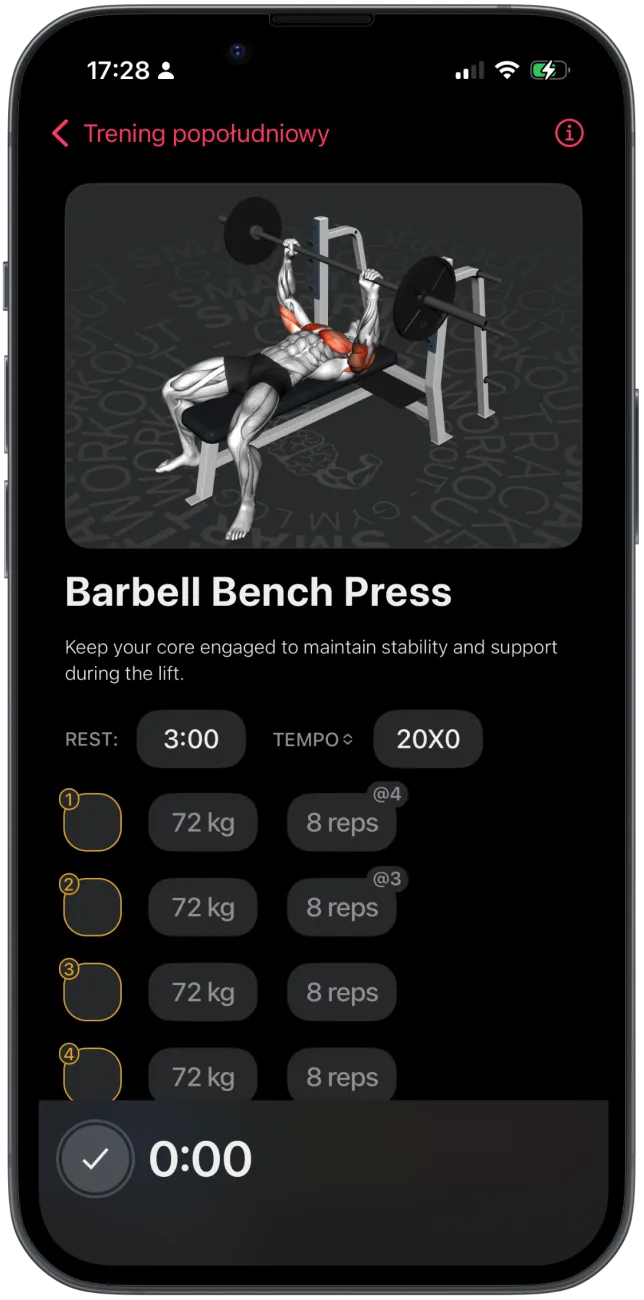
Start with a free plan. Keep progressing with SmartWorkout.
- users
- 200k+
- exercises with technique guides
- 1,000+
- workouts on the free plan
- ∞