Hip Hinge
enums.exercise_tag.STRENGTHenums.exercise_tag.FUNCTIONAL
exercise_detail.body_part: enums.body_part.GLUTEUS
exercise_detail.description
The hip hinge is a fundamental movement pattern essential for exercises like deadlifts and kettlebell swings. It involves bending at the hips while maintaining a neutral spine, allowing for efficient load transfer and minimizing stress on the lower back.
exercise_detail.how_to_perform
- Stand with feet hip-width apart, toes pointing forward.
- Engage your core to stabilize your spine.
- Begin the movement by pushing your hips back as if reaching them toward a wall behind you.
- Keep your knees slightly bent and maintain a neutral spine throughout the movement.
- Lower your torso until you feel a stretch in your hamstrings, keeping your chest open and shoulders back.
- Reverse the motion by driving through your heels and extending your hips to return to the starting position.
exercise_detail.what_muscles_work
exercise_detail.primary_muscle:
exercise_detail.tips
- Focus on moving from the hips rather than bending at the waist.
- Keep your weight balanced over your midfoot to heels to maintain stability.
- Ensure your back remains flat and avoid rounding your shoulders.
- Practice in front of a mirror to monitor form and alignment.
- Start with bodyweight to master the technique before adding resistance.
exercise_detail.common_mistakes
- Bending the knees too much, turning the hip hinge into a squat.
- Rounding the lower back instead of keeping a neutral spine.
- Allowing the shoulders to slump forward instead of maintaining a broad chest.
- Initiating the movement from the knees rather than the hips.
- Not engaging the core, leading to instability and poor control.
- Hyperextending the neck by looking too far forward.
- Failing to keep the weight on the heels, shifting it to the toes.
- Not maintaining a straight line from the head to the tailbone.
- Moving too quickly, sacrificing control and precision.
- Allowing the hips to sway side-to-side instead of moving straight back.
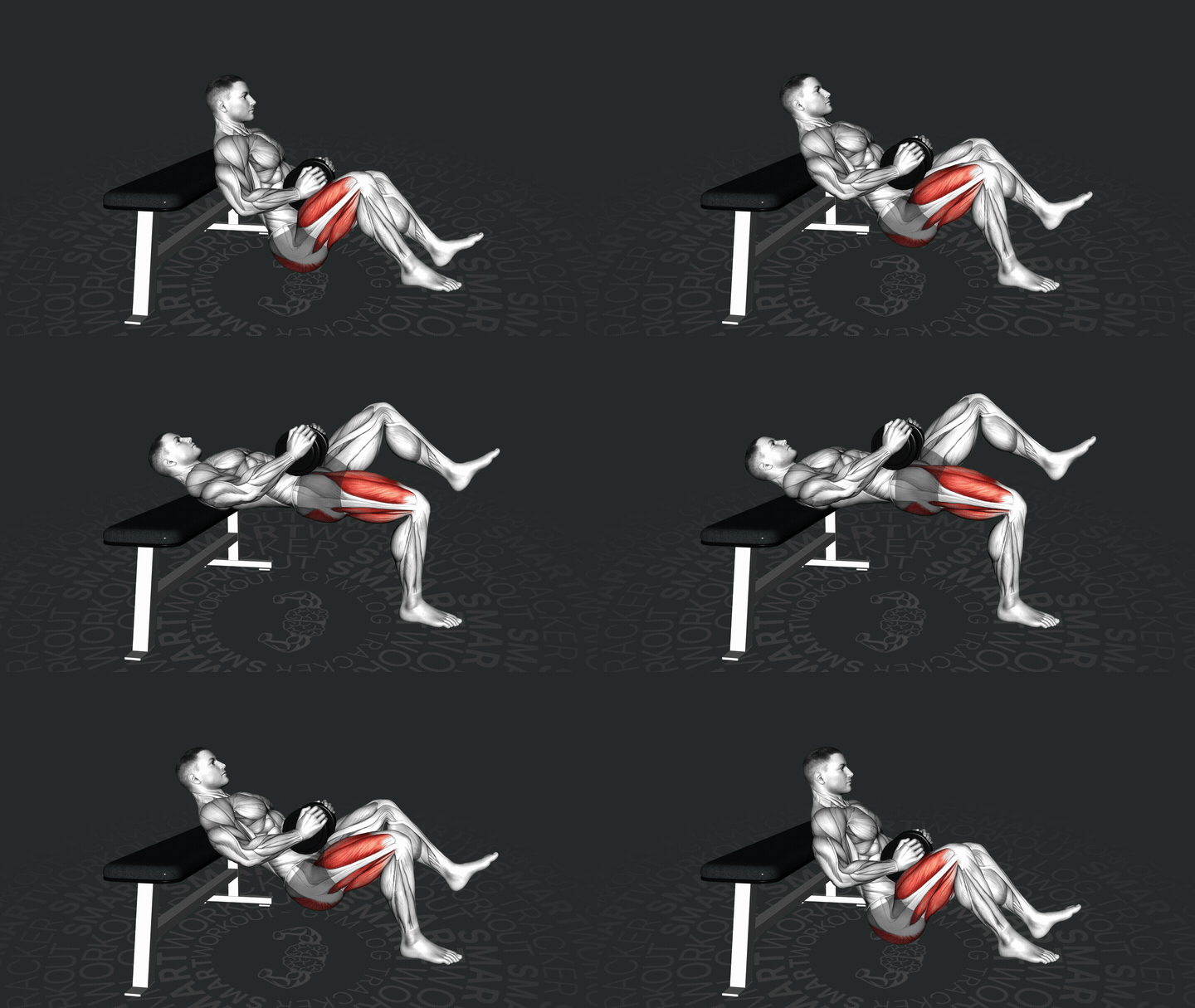
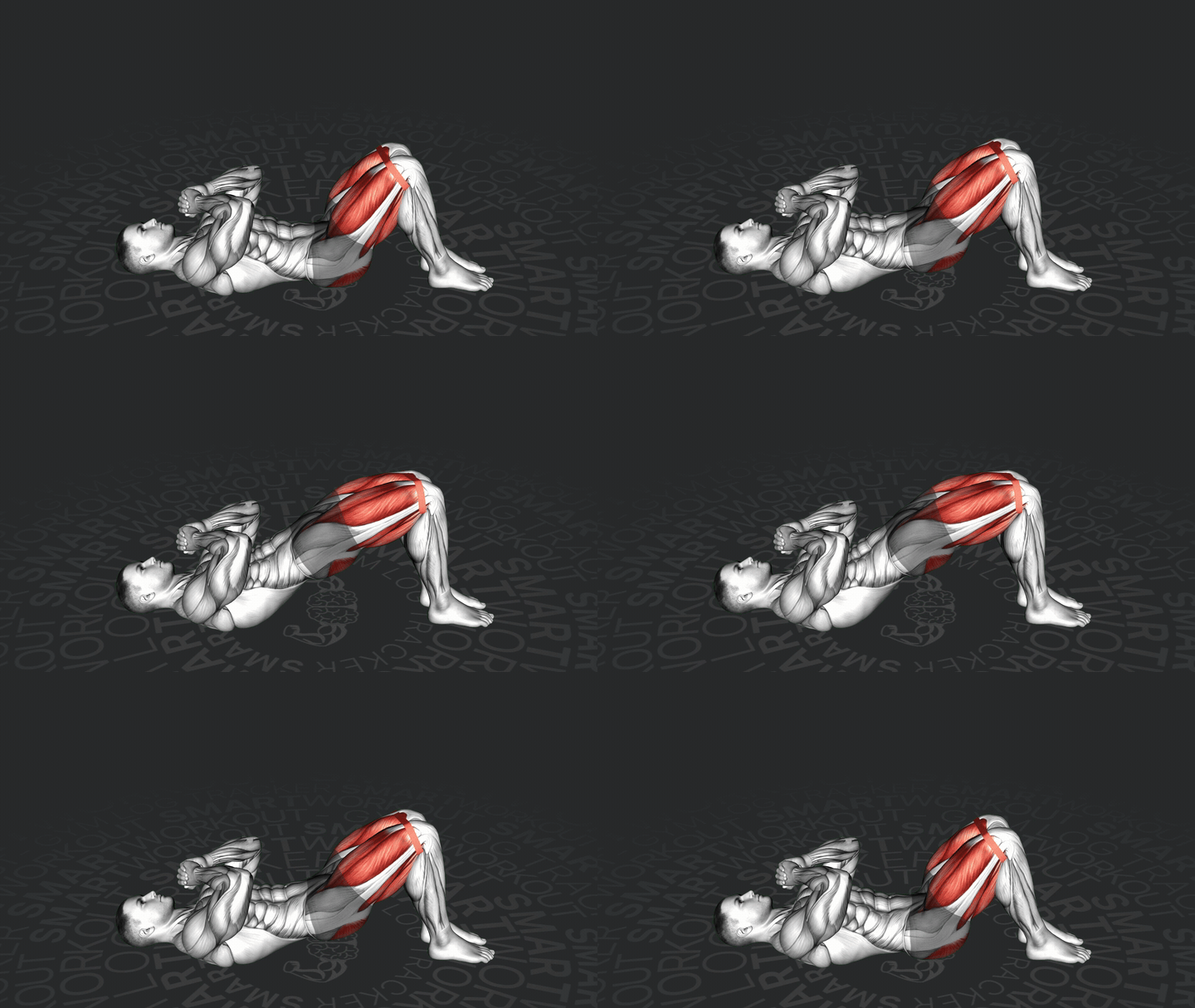
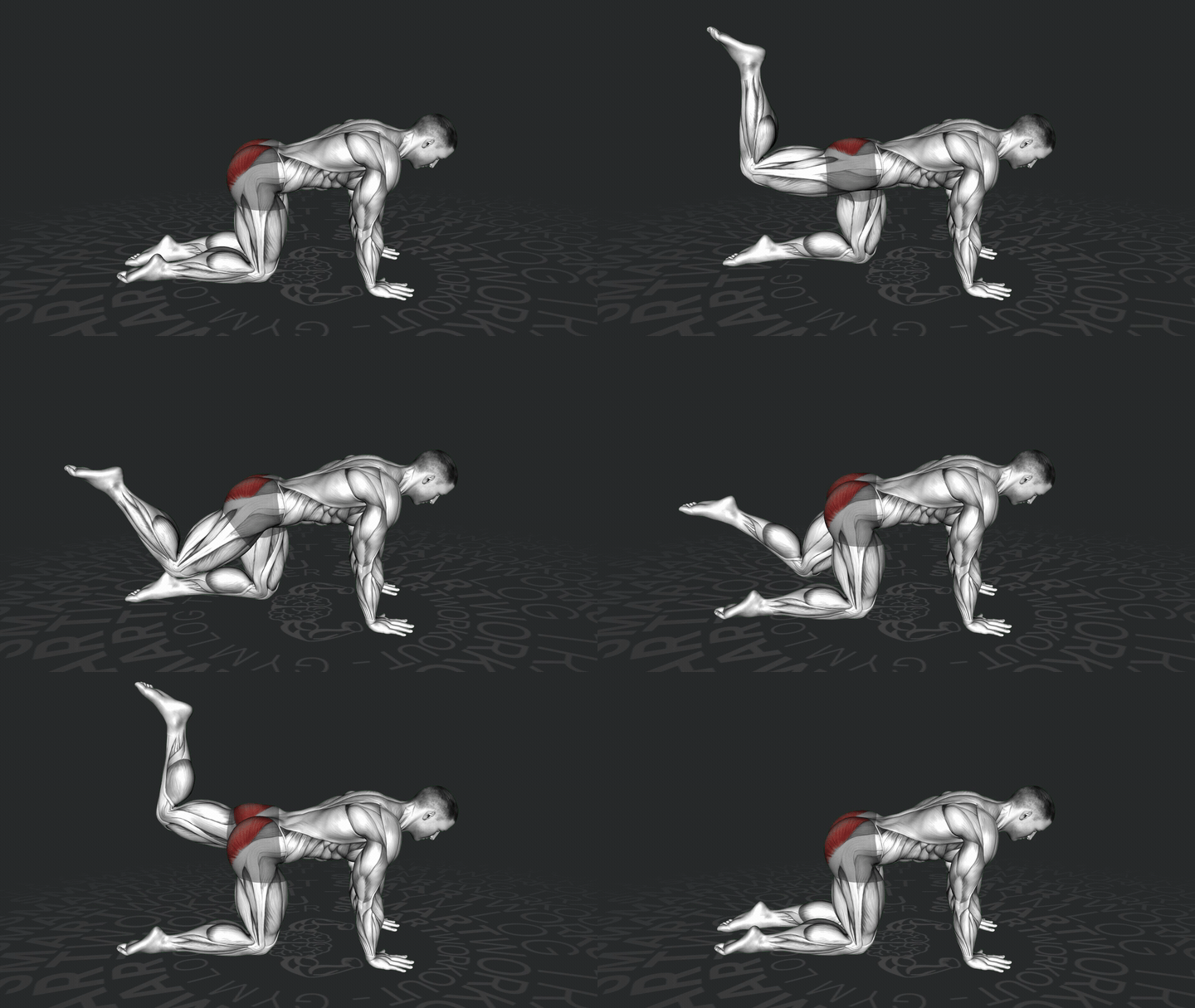
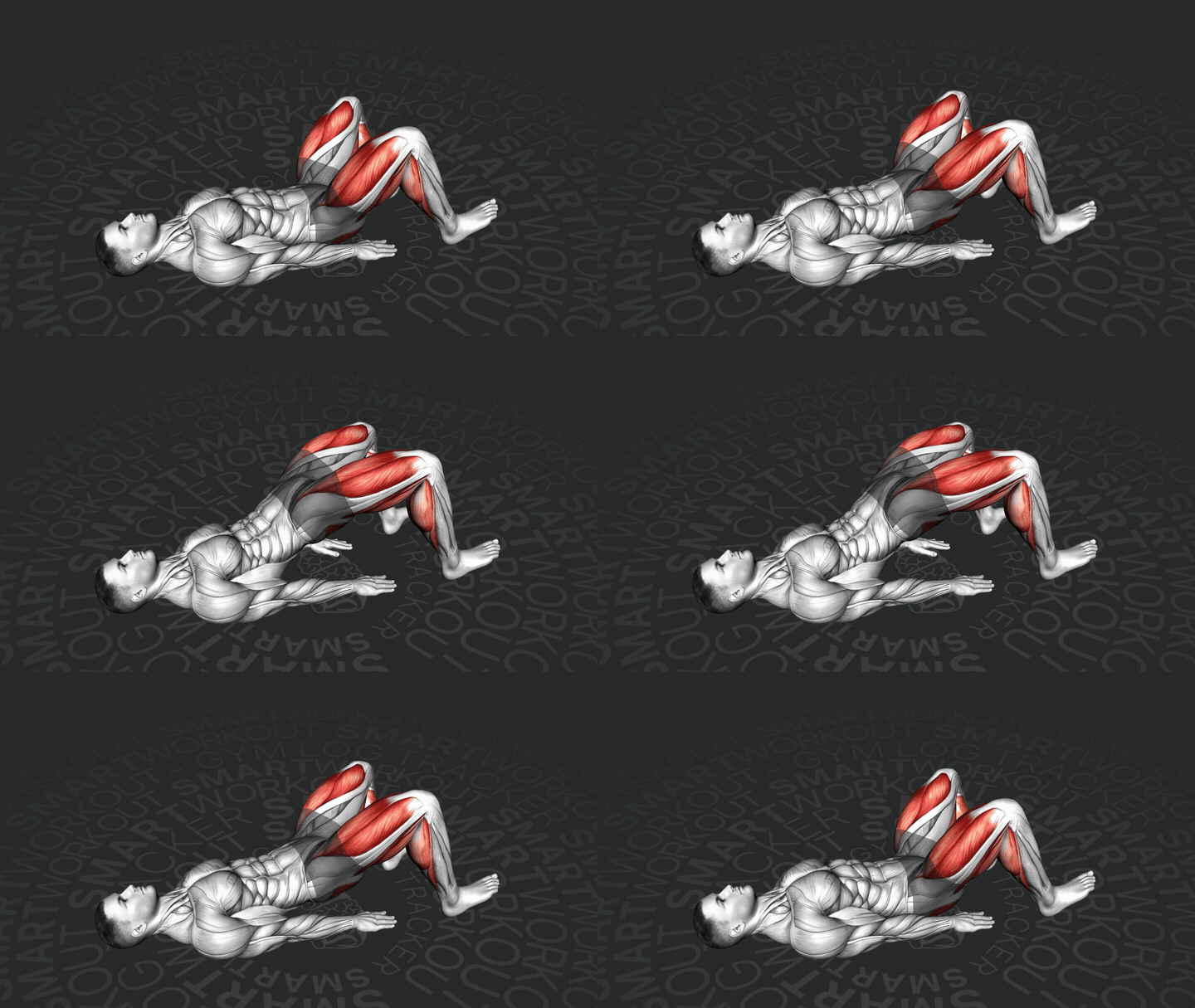
exercise_detail.recommended_exercises
exercise_detail.recommended_exercises_intro
exercise_detail.app_ad.title
exercise_detail.app_ad.description