Jump Rope
PlyometricCardioBalanceWarm-up
Track Jump Rope in SmartWorkout and watch your numbers go up
Log sets, weights and progress for free, with no workout limits.


Body Part: Legs
Description
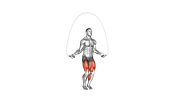
Jump rope is a cardiovascular exercise that involves jumping over a swinging rope. It enhances coordination, agility, and cardiovascular endurance. This exercise can be performed at varying intensities and is effective for burning calories and improving overall fitness.
How to Perform
- Choose a rope of appropriate length; when you stand on the middle of the rope, the handles should reach your armpits.
- Hold the handles with a firm grip, keeping your elbows close to your body.
- Stand with your feet together on a flat surface, maintaining an upright posture.
- Swing the rope over your head using your wrists, not your arms.
- Jump off the ground just enough to clear the rope, landing softly on the balls of your feet.
- Maintain a steady rhythm and keep your jumps consistent in height and speed.
What Muscles Work
Primary Muscle:
Secondary Muscles:
Tips
- Start with short sessions to build endurance and gradually increase duration as you become more comfortable.
- Focus on wrist movement rather than arm movement to conserve energy and maintain control.
- Keep your core engaged to maintain balance and stability throughout the exercise.
- Wear supportive athletic shoes to cushion your feet and reduce impact stress.
- Practice different footwork patterns like alternating feet or high knees to add variety and challenge.
- Ensure you have enough space around you to avoid tripping or hitting obstacles with the rope.
Common Mistakes
- Jumping too high, leading to unnecessary fatigue and reduced control.
- Using arms excessively instead of wrists to turn the rope.
- Keeping shoulders tense, causing fatigue and inefficient movement.
- Landing heavily on heels instead of the balls of the feet.
- Failing to maintain a consistent rhythm, disrupting coordination.
- Holding the rope handles too tightly, causing tension in arms.
- Not engaging core muscles, leading to poor posture and balance.
- Allowing the rope to hit the ground too far in front or behind.
- Jumping with knees locked, increasing impact and injury risk.
- Looking down at feet, causing neck strain and poor alignment.
Recommended Exercises
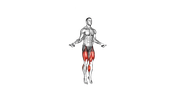
Explore exercises related to Jump Rope for legs training and similar movement patterns.




Choose a workout plan or create your own - for free
Ready-made plans for every goal, a free plan creator, hundreds of exercises and an advanced workout journal - all in SmartWorkout.


Start with a free plan. Keep progressing with SmartWorkout.
- users
- 200k+
- exercises with technique guides
- 1,000+
- workouts on the free plan
- ∞