Pogo Jumps
PlyometricExplosiveCardioBalanceWarm-up
Track this exercise in SmartWorkout
Log sets, weights and progress for free, with no workout limits.


Body Part: Legs
Description
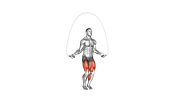
Pogo Jumps are a plyometric exercise designed to improve lower body explosiveness, agility, and coordination. This exercise primarily targets the calves, but also engages the quadriceps, hamstrings, and glutes. It is performed by bouncing off the ground with minimal knee bend, focusing on quick and repetitive movements.
How to Perform
- Stand upright with your feet hip-width apart and arms at your sides.
- Engage your core and keep your chest up.
- Begin by bouncing off the balls of your feet, keeping your knees slightly bent.
- Use minimal knee flexion to propel yourself upward quickly.
- Land softly on the balls of your feet and immediately rebound into the next jump.
- Maintain a steady rhythm and focus on quick, controlled movements.
- Continue for the desired number of repetitions or time duration.
What Muscles Work
Primary Muscle:
Secondary Muscles:
Tips
- Keep your core engaged throughout the exercise to maintain balance.
- Focus on landing softly to reduce impact on your joints.
- Use your arms to help maintain rhythm and balance.
- Start with a small range of motion and gradually increase as you become more comfortable.
- Ensure that your knees remain slightly bent to absorb shock effectively.
- Perform this exercise on a flat, stable surface to prevent injury.
- Incorporate Pogo Jumps into your warm-up routine to activate lower body muscles.
Common Mistakes
- Landing with flat feet instead of on the balls of the feet, reducing spring effect and increasing impact on joints.
- Allowing knees to cave inward during jumps, leading to poor alignment and potential knee strain.
- Failing to engage the core muscles, resulting in a lack of stability and control during the exercise.
- Using excessive arm movement, which can throw off balance and reduce efficiency of the jump.
- Not maintaining a consistent rhythm, causing uneven jumps and increased risk of losing balance.
- Jumping too high, which can lead to loss of control and improper landing mechanics.
- Neglecting to keep the chest up and shoulders back, which can lead to a hunched posture and reduced power output.
- Landing with locked knees, increasing the risk of joint strain and reducing shock absorption.
Recommended Exercises
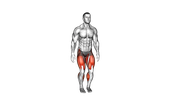
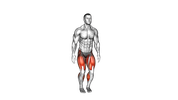
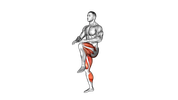
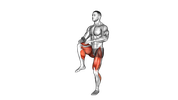
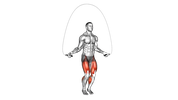
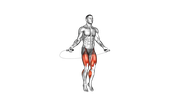
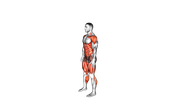
Explore exercises related to Pogo Jumps for legs training and similar movement patterns.
Choose a workout plan or create your own - for free
Ready-made plans for every goal, a free plan creator, hundreds of exercises and an advanced workout journal - all in SmartWorkout.


Start with a free plan. Keep progressing with SmartWorkout.
- users
- 200k+
- exercises with technique guides
- 1,000+
- workouts on the free plan
- ∞