Burpee
Also known as: Burpees
PlyometricCardioFunctionalExplosivePush
Track Burpee in SmartWorkout and watch your numbers go up
Log sets, weights and progress for free, with no workout limits.


Body Part: Legs
Description
The burpee is a full-body exercise that combines a squat, push-up, and jump into one fluid movement. It is designed to improve cardiovascular endurance, strength, and agility. Burpees are often used in high-intensity interval training (HIIT) due to their ability to elevate heart rate quickly.
How to Perform
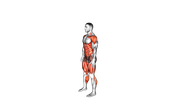
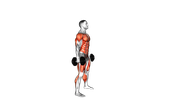
- Start in a standing position with your feet shoulder-width apart.
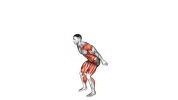
- Lower your body into a squat position and place your hands on the floor in front of you.
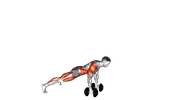
- Kick your feet back to assume a plank position, keeping your body straight and core engaged.
- Perform a push-up by lowering your chest to the ground and then pushing back up to the plank position.
- Jump your feet forward to return to the squat position.
- Explosively jump into the air, reaching your arms overhead.
- Land softly and immediately go into the next repetition.
What Muscles Work
Primary Muscle:
Secondary Muscles:
Tips
- Maintain a steady pace to ensure proper form throughout the exercise.
- Engage your core during the plank and push-up phases to protect your lower back.
- Focus on landing softly on the balls of your feet during the jump to reduce impact on your joints.
- Keep your elbows close to your body during the push-up for better control and efficiency.
- Breathe consistently: inhale as you lower into the squat and exhale as you jump up.
- If you're a beginner, start with a modified version by stepping back into the plank instead of jumping.
Common Mistakes
- Landing with knees caving inward, increasing knee strain.
- Not fully extending hips and knees during the jump, reducing power output.
- Allowing the lower back to sag during the plank position, risking lower back strain.
- Failing to engage core muscles, leading to instability.
- Performing the push-up with flared elbows, causing shoulder stress.
- Rushing through the movement, sacrificing form for speed.
- Not bringing feet close enough to hands during the squat thrust, limiting range of motion.
- Landing heavily on the heels or toes, increasing joint impact.
- Neglecting to keep a neutral spine throughout the movement.
- Skipping the jump at the end, reducing cardiovascular benefit.
Recommended Exercises
Explore exercises related to Burpee for legs training and similar movement patterns.


Choose a workout plan or create your own - for free
Ready-made plans for every goal, a free plan creator, hundreds of exercises and an advanced workout journal - all in SmartWorkout.


Start with a free plan. Keep progressing with SmartWorkout.
- users
- 200k+
- exercises with technique guides
- 1,000+
- workouts on the free plan
- ∞