Single-Leg Box Jump
Track Single-Leg Box Jump in SmartWorkout and watch your numbers go up
Log sets, weights and progress for free, with no workout limits.


Description
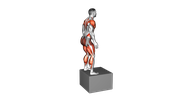
The One Leg Box Jump is a plyometric exercise that targets the lower body, focusing on the quadriceps, hamstrings, glutes, and calves. It enhances explosive power, balance, and coordination by requiring the athlete to jump onto a box or platform using one leg. This exercise is beneficial for athletes looking to improve their single-leg strength and stability.
How to Perform
- Stand in front of a sturdy box or platform with your feet hip-width apart.
- Shift your weight onto one leg, bending the knee slightly to prepare for the jump.
- Swing your arms back to generate momentum.
- Explosively jump onto the box using the power from your standing leg, swinging your arms forward for additional lift.
- Land softly on the box with the same leg, ensuring your knee is slightly bent to absorb impact.
- Step down carefully with the opposite leg and repeat for the desired number of repetitions before switching legs.
What Muscles Work
Primary Muscle:
Secondary Muscles:
Tips
- Ensure the box is stable and at an appropriate height for your skill level to prevent injury.
- Focus on maintaining balance throughout the movement by engaging your core muscles.
- Use your arms effectively to help propel you upwards during the jump.
- Start with a lower box height if you're new to this exercise and gradually increase as you gain confidence and strength.
- Keep your landing soft by bending your knee slightly upon impact to reduce stress on your joints.
Common Mistakes
- Failing to maintain a stable core throughout the jump, leading to loss of balance.
- Not using the arms effectively for momentum, reducing jump height.
- Landing with the knee collapsing inward, increasing strain on the joint.
- Jumping without fully engaging the glutes, hamstrings, and quads, reducing power.
- Not aligning the hips, knees, and ankles properly during takeoff and landing.
- Landing too stiffly, which can lead to joint stress.
- Using a box that is too high, causing improper form and potential falls.
- Failing to control the descent, leading to an unstable landing.
Recommended Exercises
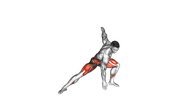
Explore exercises related to Single-Leg Box Jump for legs training and similar movement patterns.














Choose a workout plan or create your own - for free
Ready-made plans for every goal, a free plan creator, hundreds of exercises and an advanced workout journal - all in SmartWorkout.


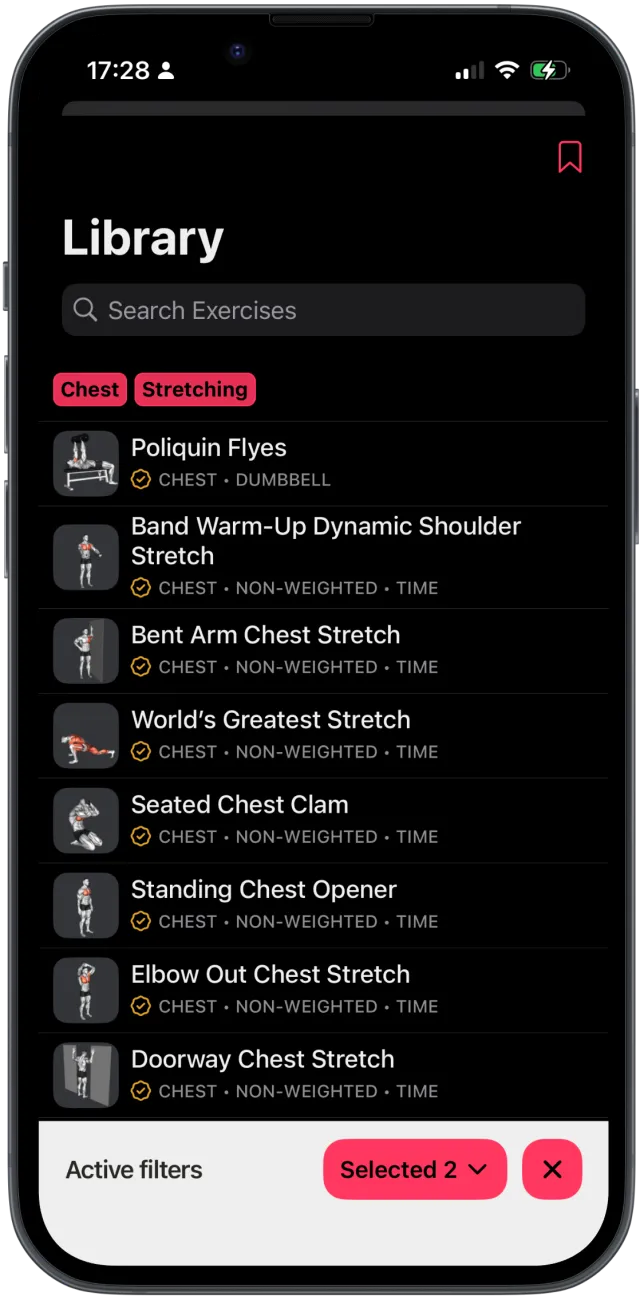
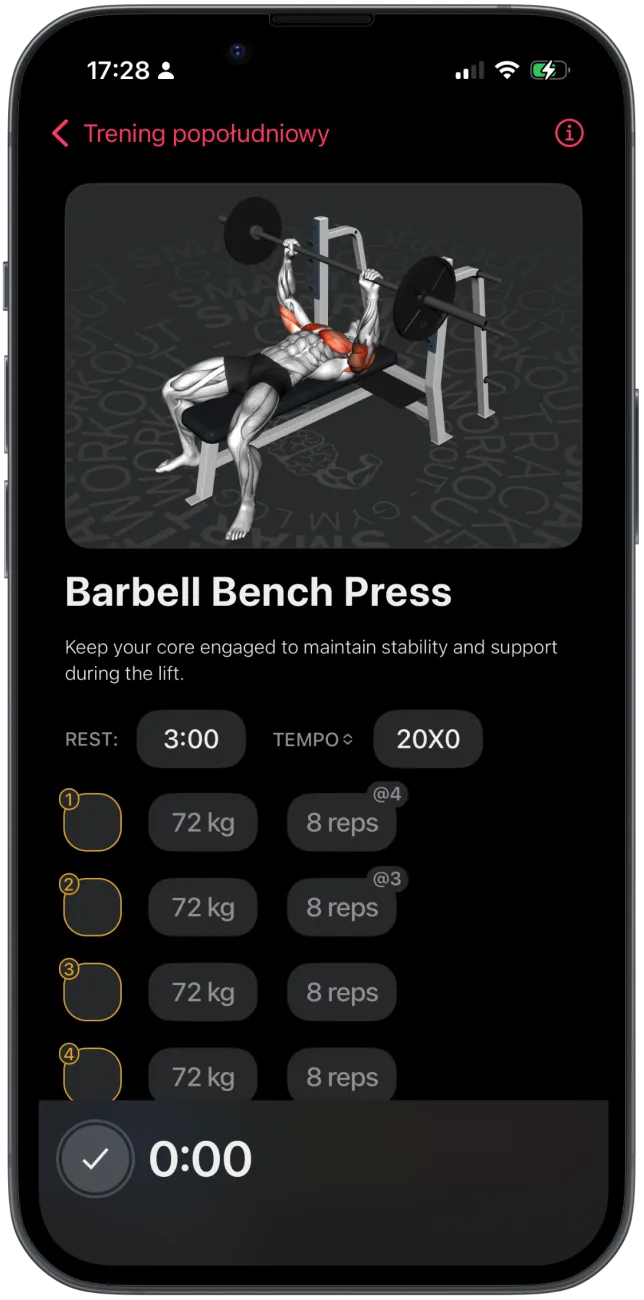
Start with a free plan. Keep progressing with SmartWorkout.
- users
- 200k+
- exercises with technique guides
- 1,000+
- workouts on the free plan
- ∞