Broad Jump
PlyometricExplosiveFunctional
Track Broad Jump in SmartWorkout and watch your numbers go up
Log sets, weights and progress for free, with no workout limits.


Body Part: Legs
Description
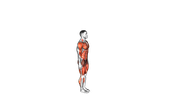
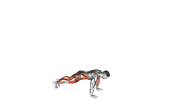
The Broad Jump is a plyometric exercise that focuses on developing explosive power in the lower body, particularly targeting the quadriceps, hamstrings, glutes, and calves. It involves jumping forward as far as possible from a standing position, emphasizing both strength and coordination.
How to Perform
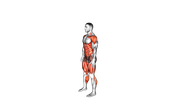
- Stand with your feet shoulder-width apart and your arms at your sides.
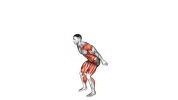
- Bend your knees slightly and push your hips back into a quarter squat position.
- Swing your arms backward to generate momentum.
- Explosively jump forward as far as you can, swinging your arms forward and extending your legs.
- Land softly on the balls of your feet with your knees slightly bent to absorb the impact.
- Reset your position and repeat for the desired number of repetitions.
What Muscles Work
Primary Muscle:
Secondary Muscles:
Tips
- Focus on using your arms to generate additional momentum during the jump.
- Engage your core throughout the movement to maintain balance and control.
- Ensure a soft landing by bending your knees upon impact to reduce stress on the joints.
- Practice proper form by keeping your chest up and looking forward during the jump.
- Start with shorter jumps to perfect technique before attempting maximum distance.
Common Mistakes
- Failing to engage the core muscles, leading to a lack of stability and control during the jump.
- Not using the arms effectively to generate momentum, resulting in a shorter jump distance.
- Landing with stiff legs instead of bending the knees, increasing the risk of knee or ankle injury.
- Starting the jump with an improper squat position, such as knees caving inward or heels lifting off the ground.
- Not maintaining a neutral spine throughout the jump, which can lead to lower back strain.
- Landing on the toes instead of the whole foot, reducing balance and increasing the chance of falling.
- Overextending the knees upon landing, placing excessive stress on the joints.
- Failing to coordinate the hip hinge and knee bend, leading to inefficient power transfer.
Recommended Exercises
Explore exercises related to Broad Jump for legs training and similar movement patterns.


Choose a workout plan or create your own - for free
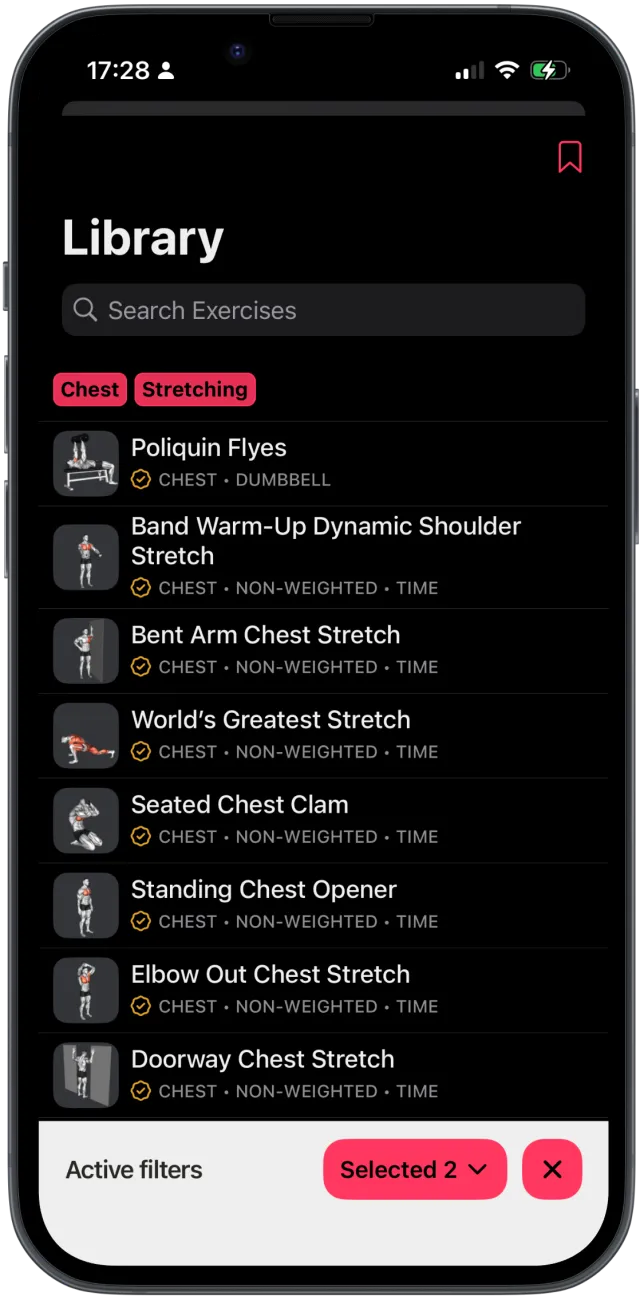
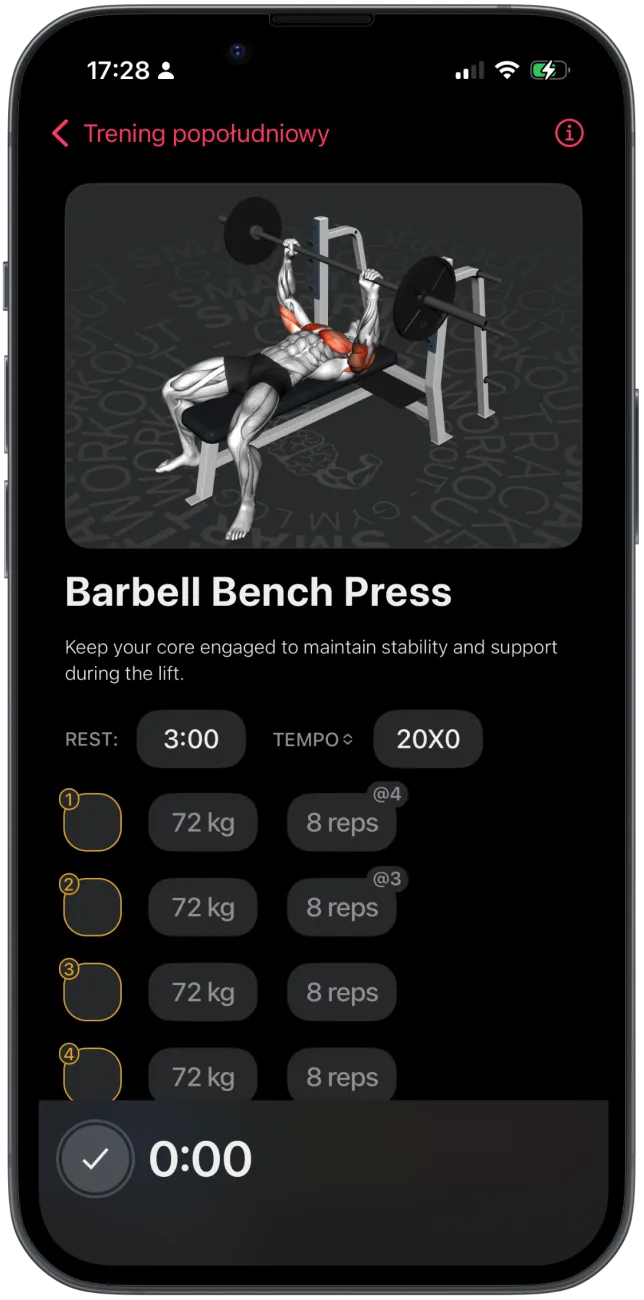
Ready-made plans for every goal, a free plan creator, hundreds of exercises and an advanced workout journal - all in SmartWorkout.


Start with a free plan. Keep progressing with SmartWorkout.
- users
- 200k+
- exercises with technique guides
- 1,000+
- workouts on the free plan
- ∞