Cable Face Pull
enums.exercise_tag.STRENGTHenums.exercise_tag.PULLenums.exercise_tag.REHABenums.exercise_tag.FUNCTIONAL
exercise_detail.body_part: enums.body_part.SHOULDERS
exercise_detail.description
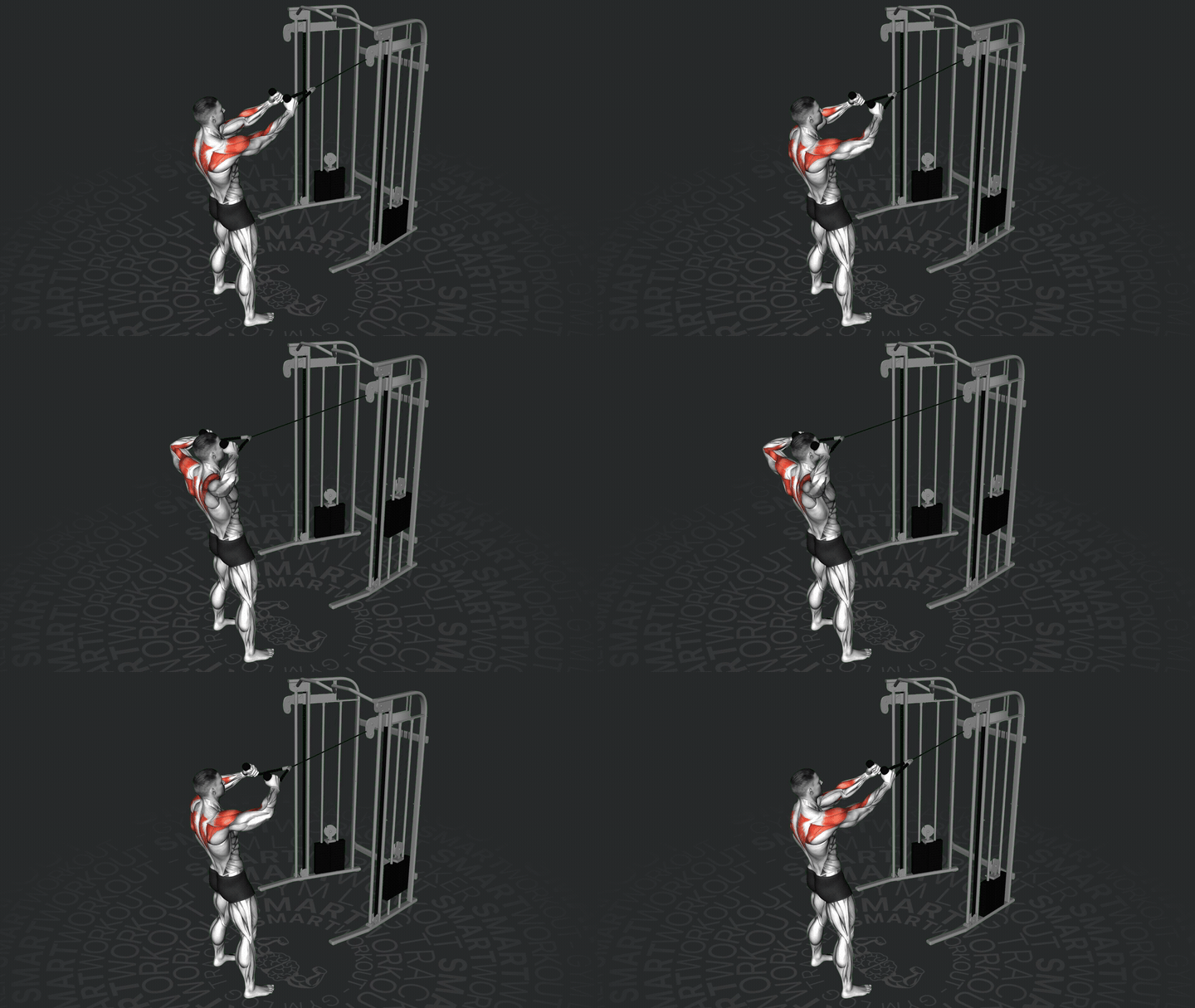
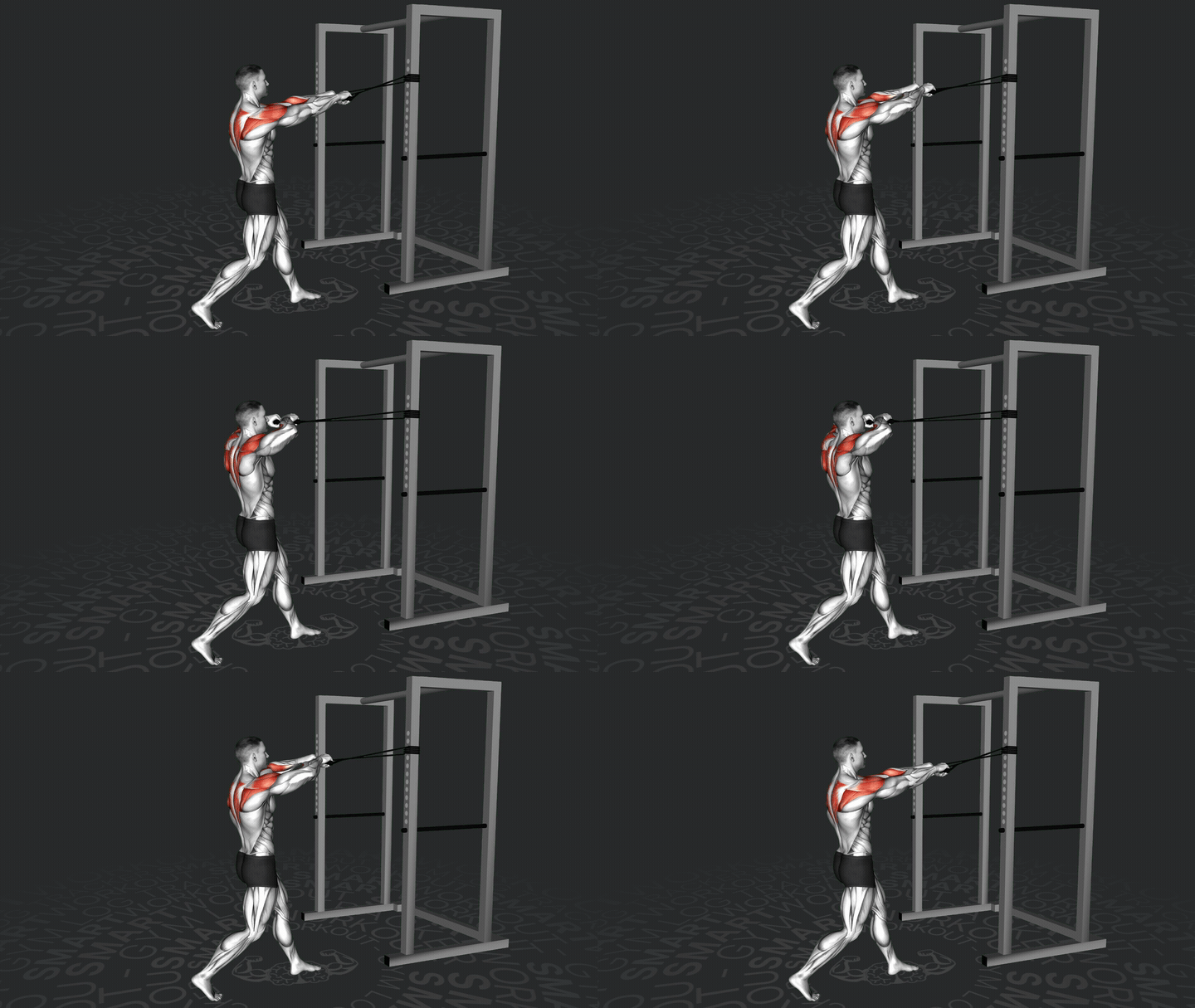
The Cable Face Pull is an upper body exercise that targets the rear deltoids, upper back, and traps. It is performed using a cable machine with a rope attachment, focusing on improving shoulder health, posture, and upper back strength.
exercise_detail.how_to_perform
- Attach a rope handle to a high pulley on the cable machine.
- Stand facing the machine with feet shoulder-width apart.
- Grasp the rope with an overhand grip, palms facing down.
- Step back until your arms are fully extended and there is tension in the cable.
- Engage your core and keep your back straight.
- Pull the rope towards your face, flaring your elbows out to the sides.
- Squeeze your shoulder blades together at the peak of the movement.
- Slowly extend your arms back to the starting position.
- Repeat for the desired number of repetitions.
exercise_detail.what_muscles_work
exercise_detail.primary_muscle:
exercise_detail.secondary_muscles:
exercise_detail.tips
- Keep your elbows above your wrists throughout the movement to target the rear deltoids effectively.
- Maintain a neutral spine and avoid arching your back during the exercise.
- Focus on squeezing your shoulder blades together at the top of the movement for maximum contraction.
- Use a controlled tempo to prevent using momentum and to ensure muscle engagement.
- Start with a lighter weight to master form before progressing to heavier loads.
exercise_detail.common_mistakes
- Pulling the cable too low, targeting the chest instead of the face.
- Using too much weight, leading to momentum and lack of control.
- Allowing the elbows to drop below shoulder height, reducing rear deltoid activation.
- Standing too close or too far from the cable machine, affecting tension and range of motion.
- Failing to retract the shoulder blades, minimizing engagement of the upper back muscles.
- Not keeping a neutral spine, leading to poor posture and potential strain.
- Using a narrow grip, limiting the ability to externally rotate the shoulders.
- Rushing through the movement, sacrificing muscle engagement for speed.
exercise_detail.recommended_exercises
exercise_detail.recommended_exercises_intro
exercise_detail.app_ad.title
exercise_detail.app_ad.description