Trap Y Raise
StrengthMobilityRehabilitationFunctional
Track Trap Y Raise in SmartWorkout and watch your numbers go up
Log sets, weights and progress for free, with no workout limits.


Body Part: Shoulders
Description
The Trap Y Raise is an isolation exercise targeting the trapezius muscles, particularly the lower and middle fibers, as well as the rear deltoids. It is performed with light weights to focus on muscle activation and improve shoulder stability and posture.
How to Perform
- Stand with your feet shoulder-width apart, holding a pair of light dumbbells in each hand.
- Bend slightly at the hips and knees, keeping your back straight and chest up.
- Let your arms hang down naturally with palms facing each other.
- Engage your core and raise your arms in a Y shape until they are in line with your ears.
- Pause briefly at the top, squeezing your shoulder blades together.
- Slowly lower the weights back to the starting position with control.
- Repeat for the desired number of repetitions.
What Muscles Work
Primary Muscle:
Secondary Muscles:
Tips
- Use light weights to maintain proper form and focus on muscle activation.
- Keep your movements slow and controlled to maximize muscle engagement.
- Avoid shrugging your shoulders; focus on using your traps and rear delts.
- Maintain a slight bend in your elbows throughout the movement.
- Ensure your core is engaged to support your lower back.
- Perform the exercise in front of a mirror to monitor form and alignment.
Common Mistakes
- Lifting weights that are too heavy, leading to loss of control and poor form.
- Shrugging shoulders instead of keeping them down and retracted.
- Arching the lower back excessively, causing strain and reducing effectiveness.
- Using momentum to swing the arms instead of controlled, steady movement.
- Failing to engage the core, resulting in instability and reduced shoulder isolation.
- Allowing the elbows to bend, which shifts focus away from the traps.
- Raising arms too high, causing unnecessary shoulder joint stress.
- Not maintaining a neutral neck position, leading to potential neck strain.
Recommended Exercises
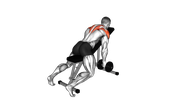
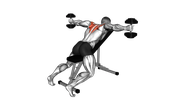
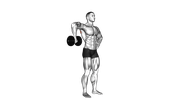
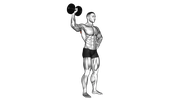
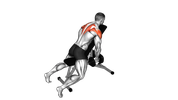
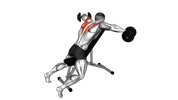
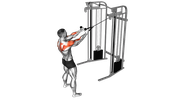
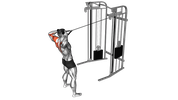
Explore exercises related to Trap Y Raise for shoulders training and similar movement patterns.
Choose a workout plan or create your own - for free
Ready-made plans for every goal, a free plan creator, hundreds of exercises and an advanced workout journal - all in SmartWorkout.