Cable Seated Rear Lateral Raise
enums.exercise_tag.STRENGTHenums.exercise_tag.PULL
exercise_detail.body_part: enums.body_part.SHOULDERS
exercise_detail.description
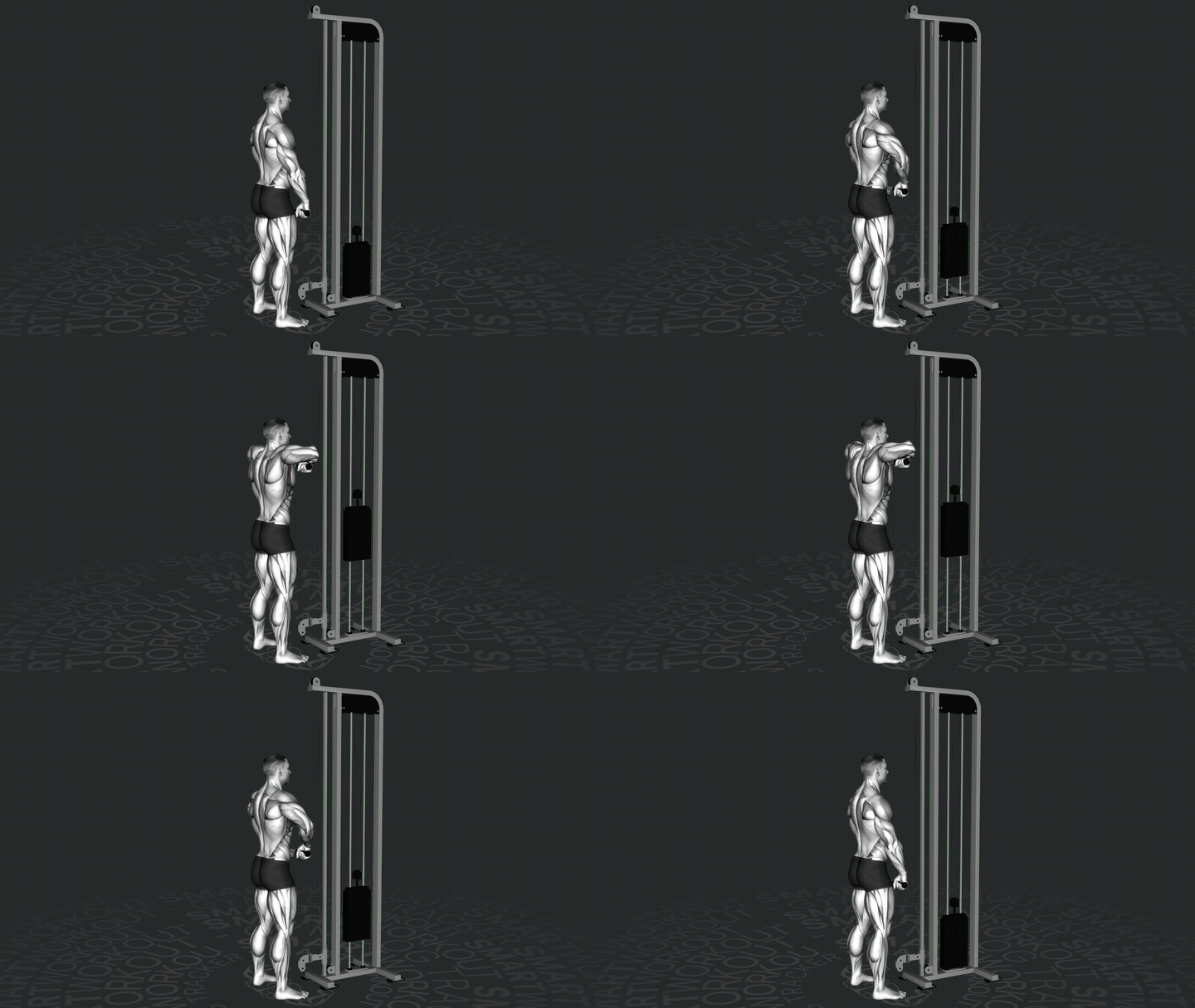
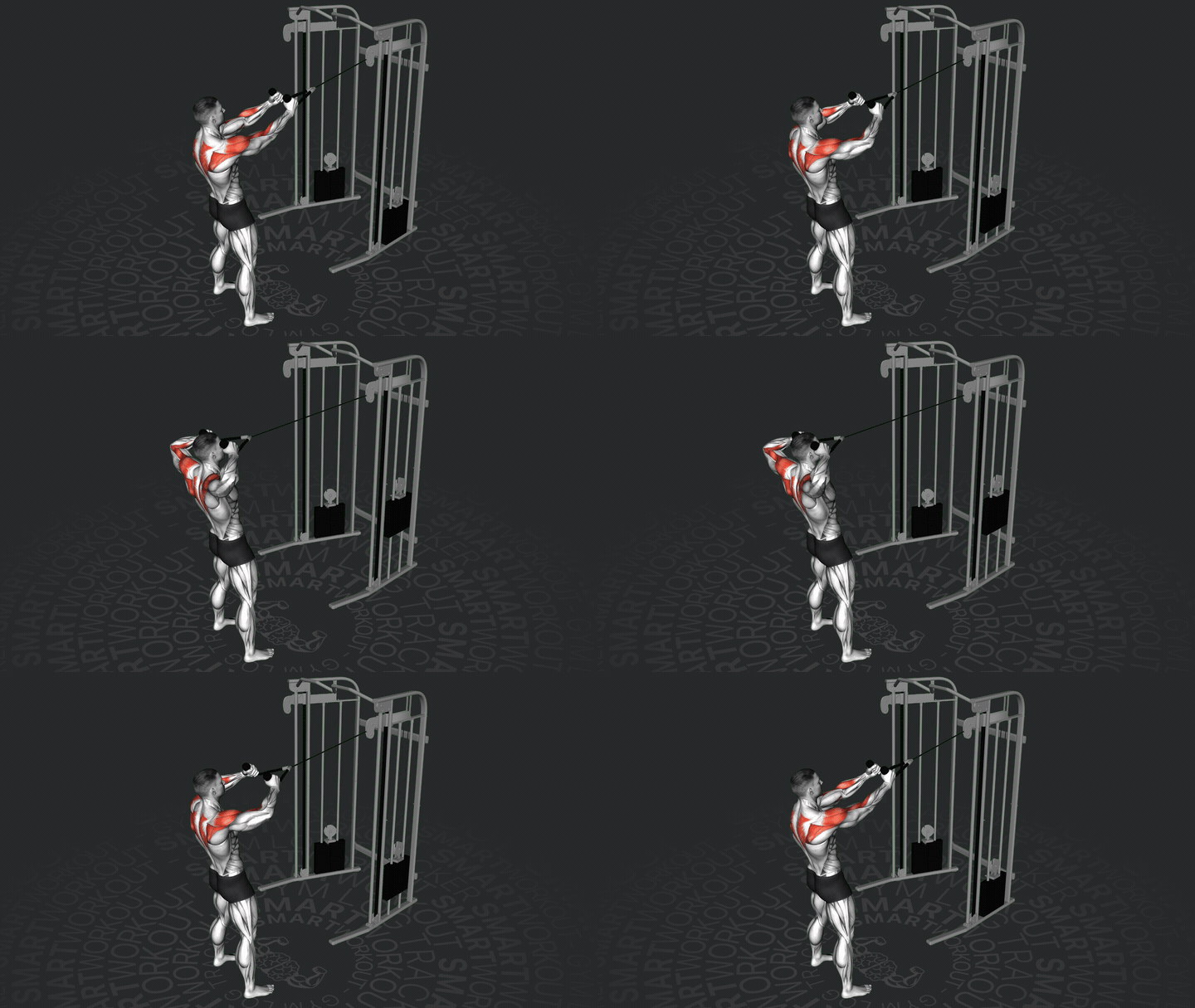
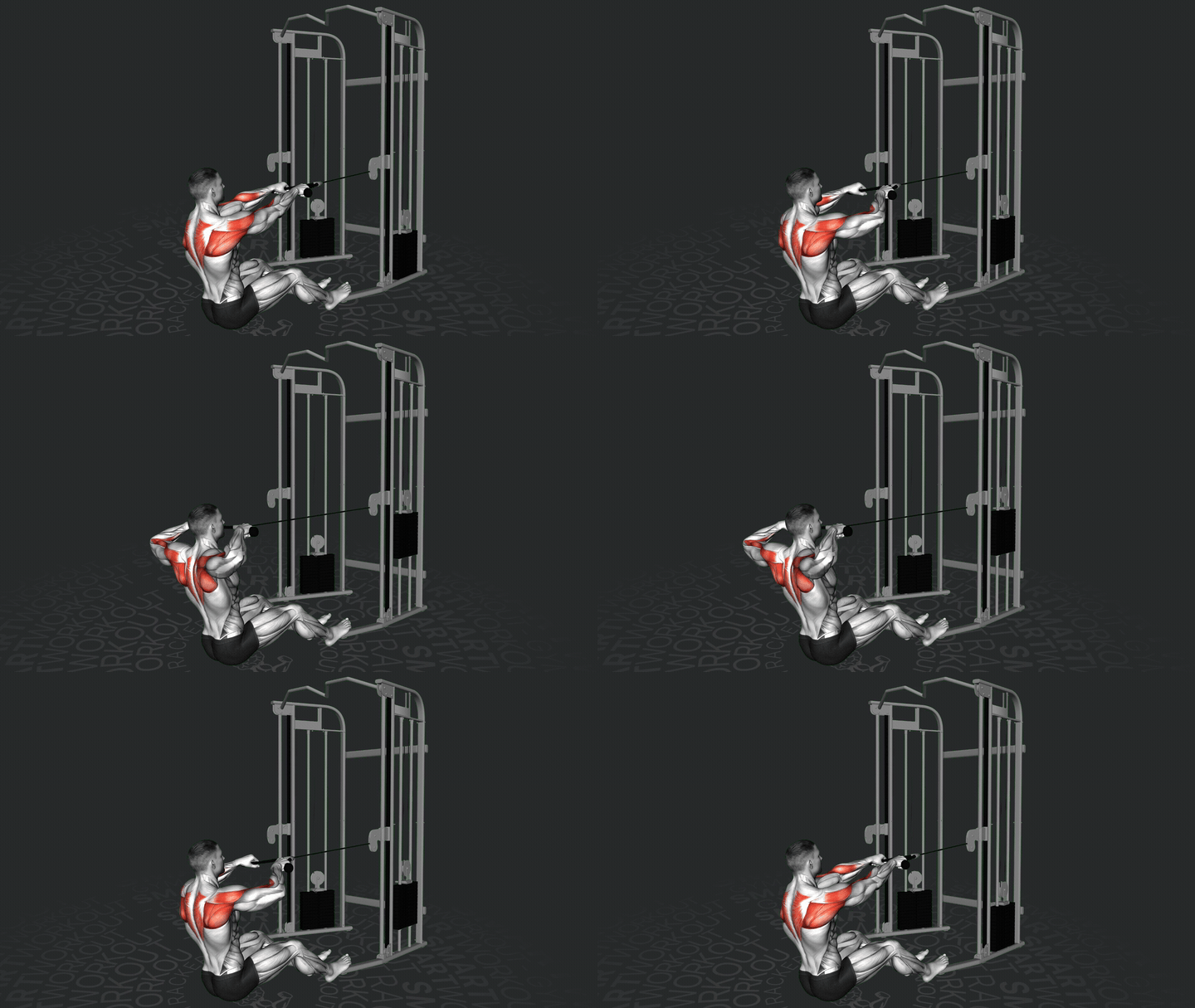
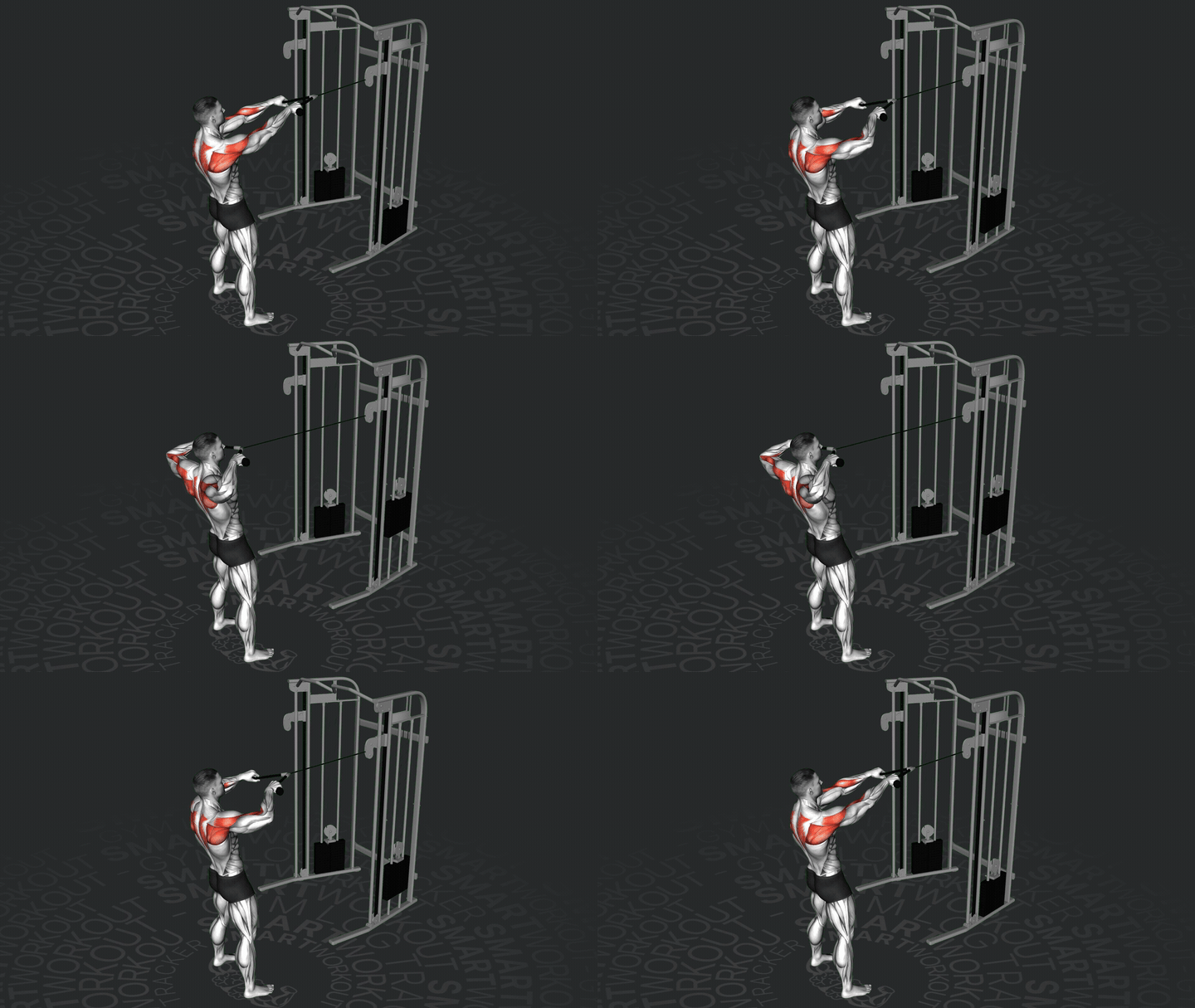
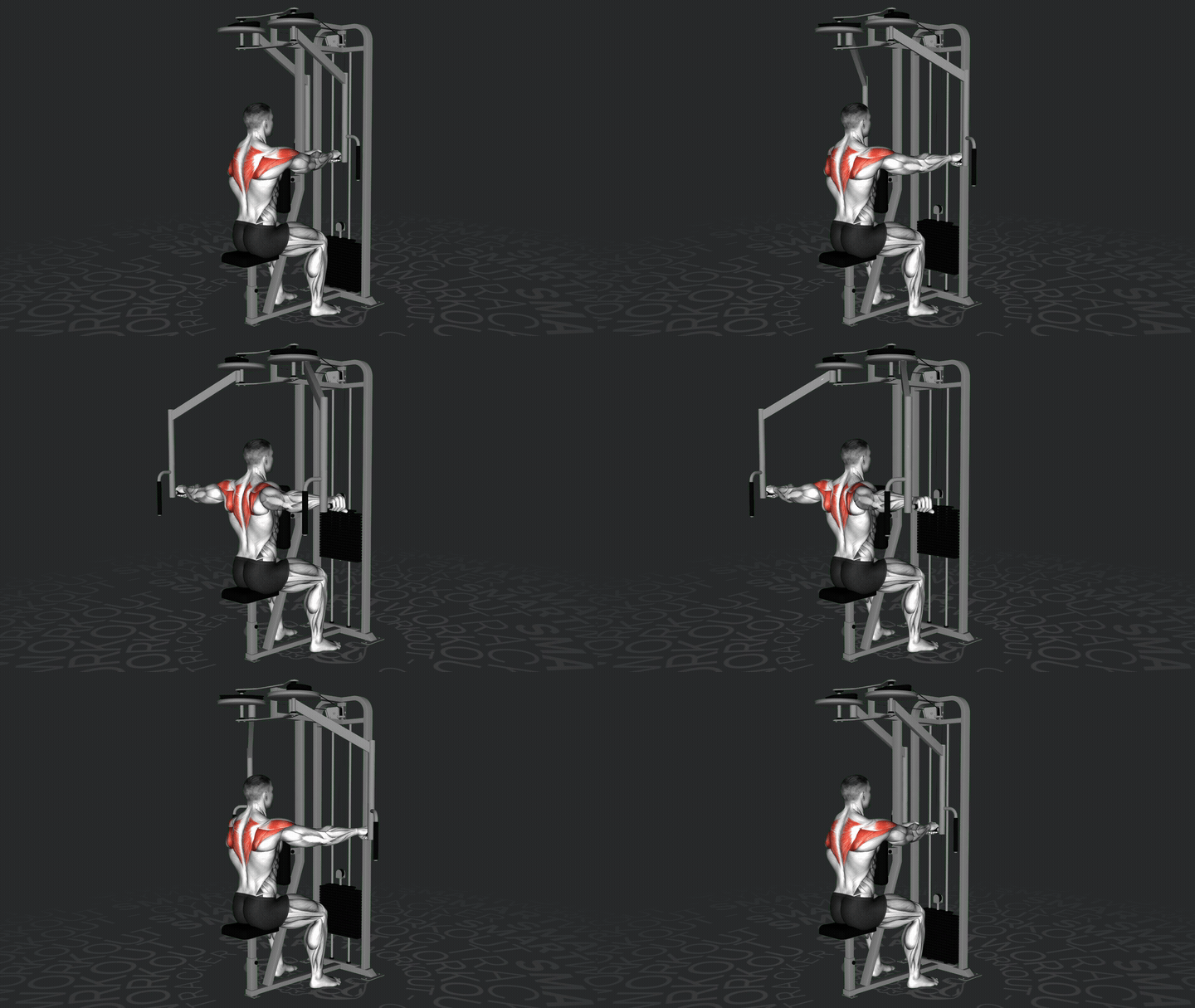
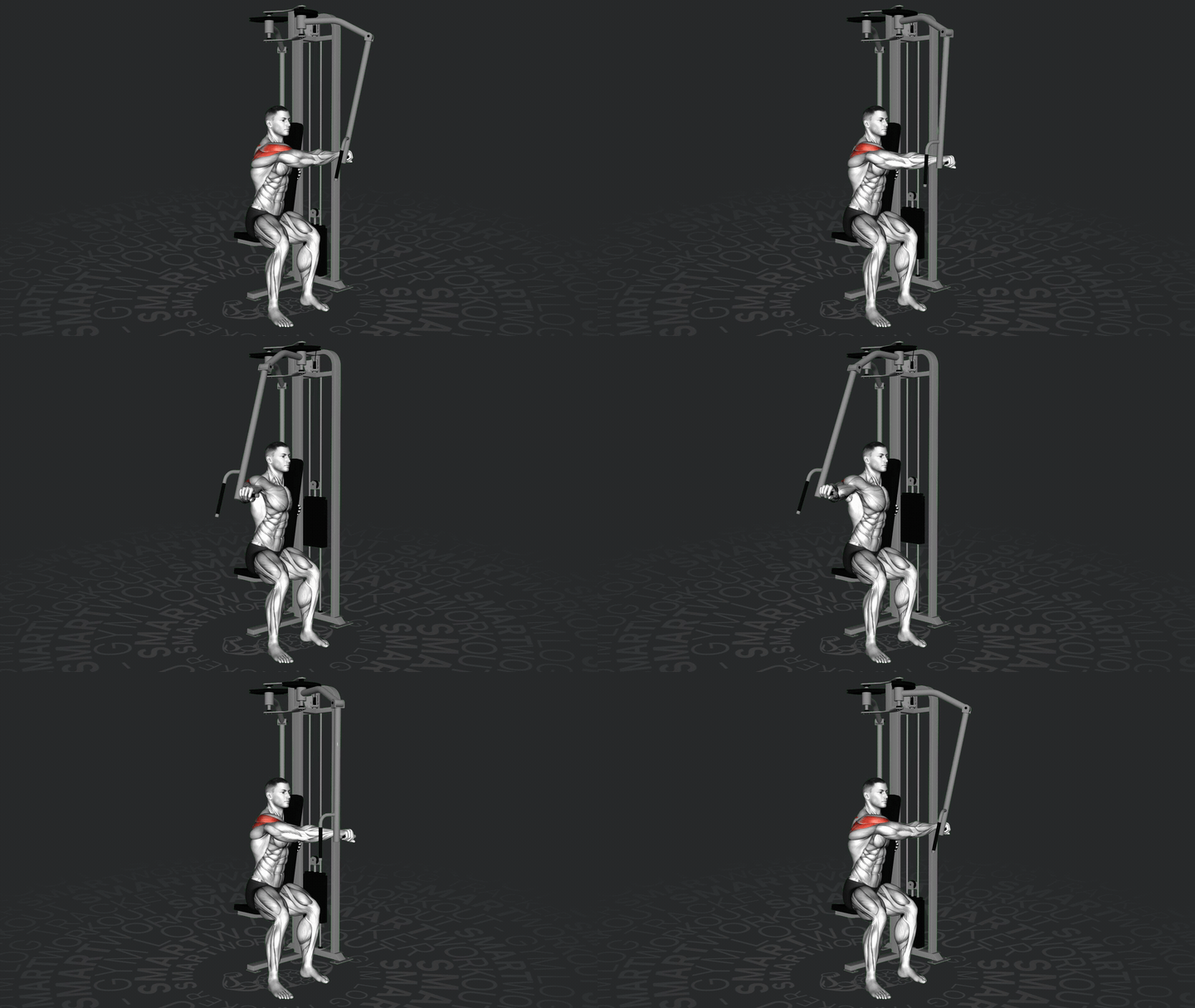
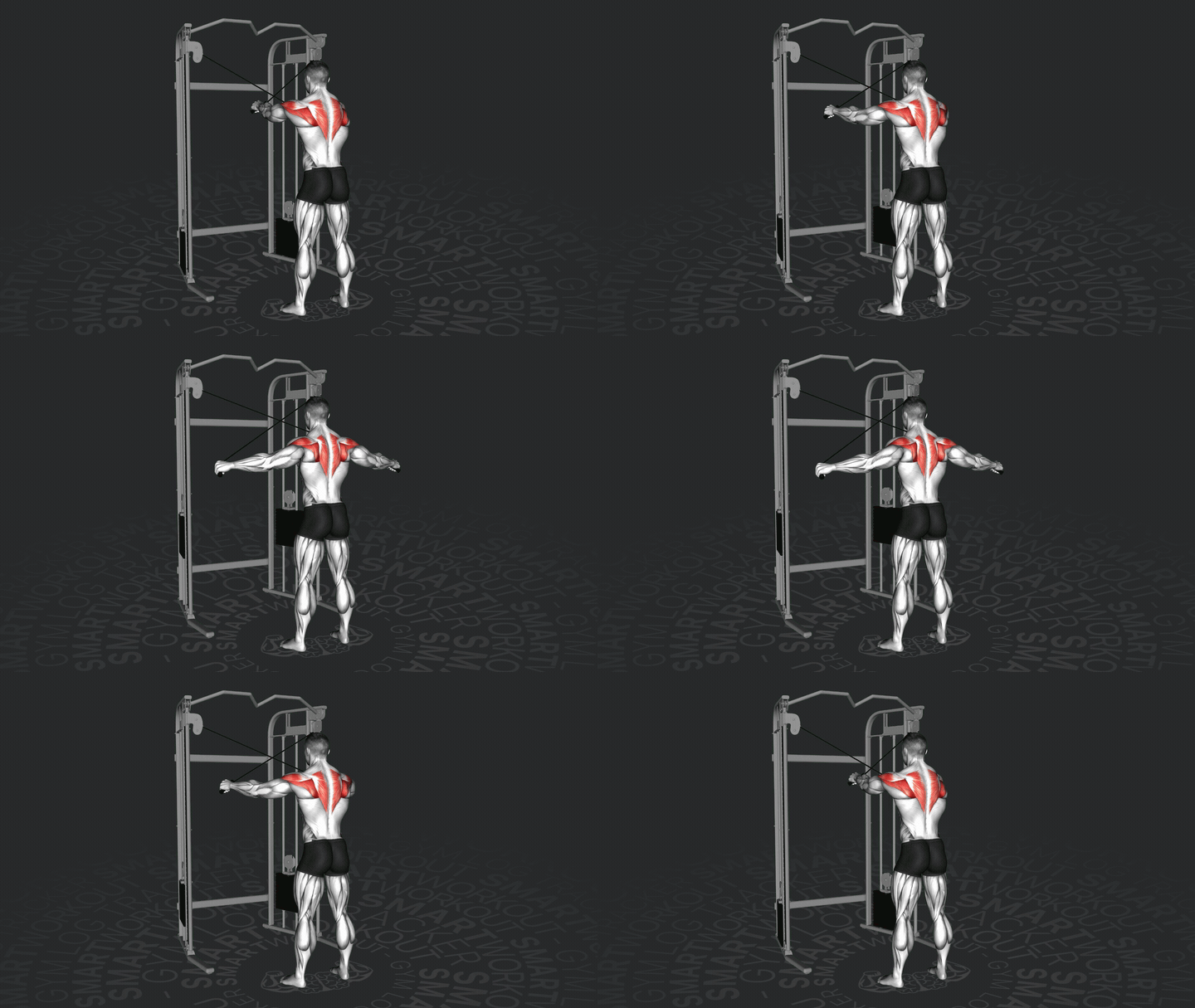
The Cable Seated Rear Lateral Raise is an isolation exercise targeting the posterior deltoids. It involves using a cable machine to provide constant tension throughout the movement, enhancing muscle engagement and promoting shoulder stability.
exercise_detail.how_to_perform
- Set the cable machine to the lowest setting and attach a single handle.
- Sit on a bench facing the cable machine with your feet flat on the floor.
- Lean slightly forward at the hips, keeping your back straight and core engaged.
- Grab the handle with one hand using a neutral grip, palm facing inward.
- Start with your arm extended in front of you, slightly below shoulder height.
- Keeping a slight bend in your elbow, raise your arm to the side and slightly back until it is parallel to the floor.
- Pause briefly at the top of the movement, focusing on squeezing the rear deltoid.
- Slowly lower the handle back to the starting position under control.
- Complete the desired number of repetitions and switch arms.
exercise_detail.what_muscles_work
exercise_detail.primary_muscle:
exercise_detail.secondary_muscles:
exercise_detail.tips
- Maintain a controlled motion throughout to maximize muscle engagement.
- Avoid using momentum; focus on isolating the rear deltoid.
- Keep your shoulders down and relaxed to prevent neck strain.
- Exhale as you lift the weight and inhale as you lower it.
- Ensure your movements are symmetrical on both sides for balanced development.
exercise_detail.common_mistakes
- Using too much weight, leading to momentum-based movement instead of controlled muscle engagement.
- Leaning too far forward or backward, causing improper alignment and reducing target muscle activation.
- Shrugging shoulders during the lift, which shifts focus away from the rear deltoids to the traps.
- Allowing elbows to drop below shoulder level, decreasing the range of motion and effectiveness.
- Failing to maintain a slight bend in the elbows, which can strain the joints and reduce muscle focus.
- Rushing through repetitions, compromising form and reducing muscle engagement.
- Not keeping the chest up and core engaged, leading to a rounded back and potential strain.
- Pulling with the hands instead of leading with the elbows, which diminishes rear deltoid activation.
exercise_detail.recommended_exercises
exercise_detail.recommended_exercises_intro
exercise_detail.app_ad.title
exercise_detail.app_ad.description