Australian Pull-Up Underhand Grip
enums.exercise_tag.STRENGTHenums.exercise_tag.PULLenums.exercise_tag.FUNCTIONAL
exercise_detail.body_part: enums.body_part.BACK
exercise_detail.description
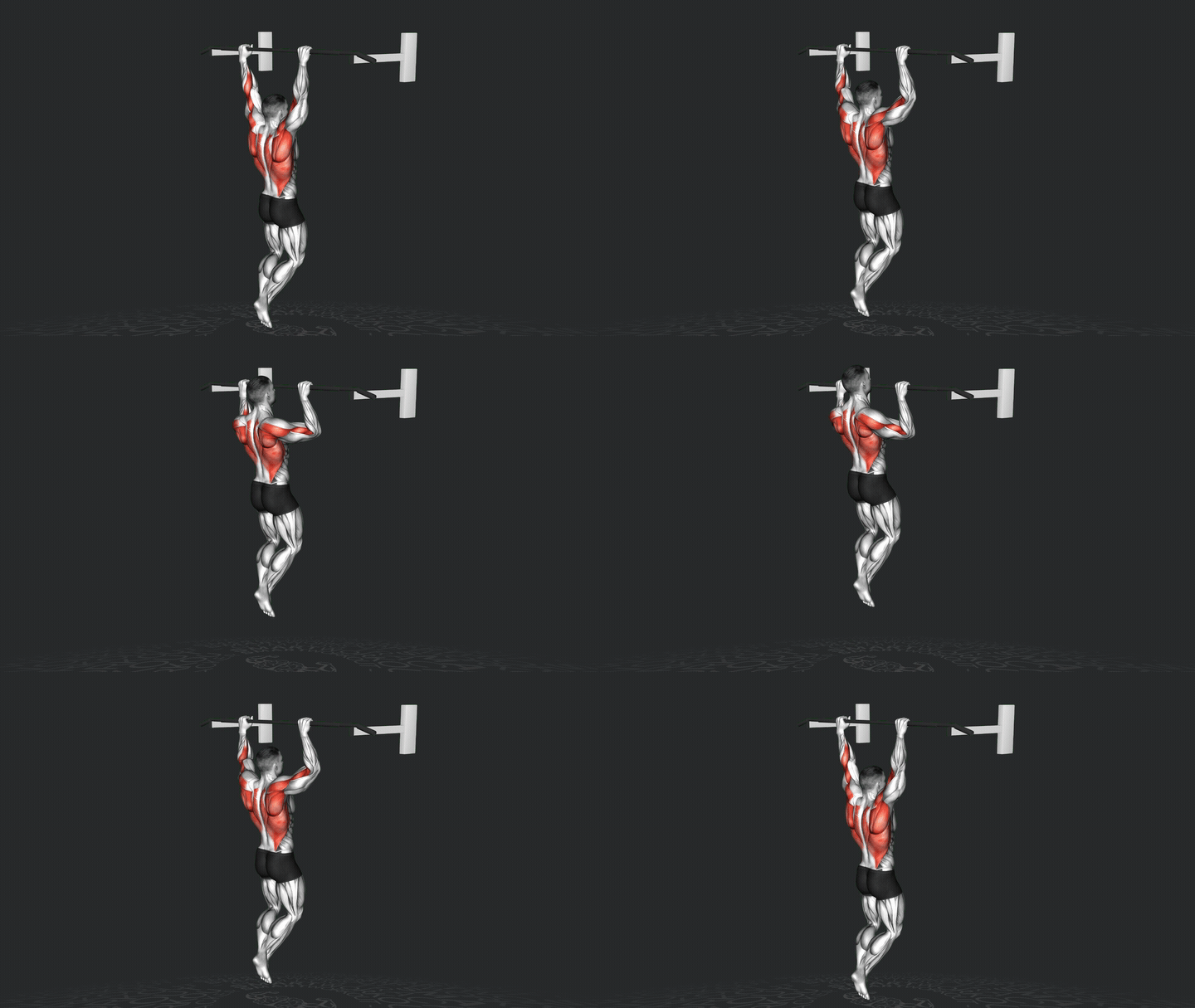
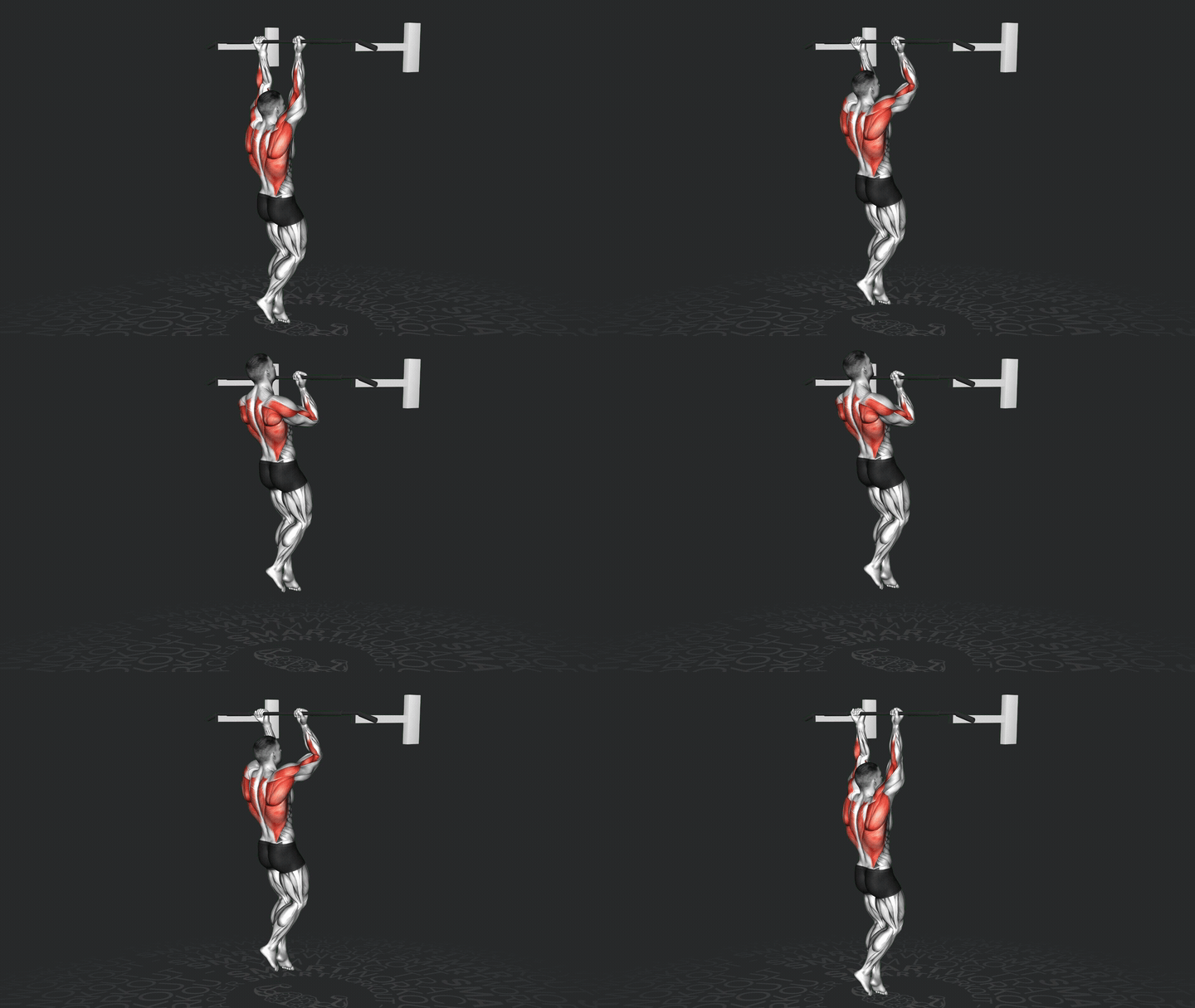
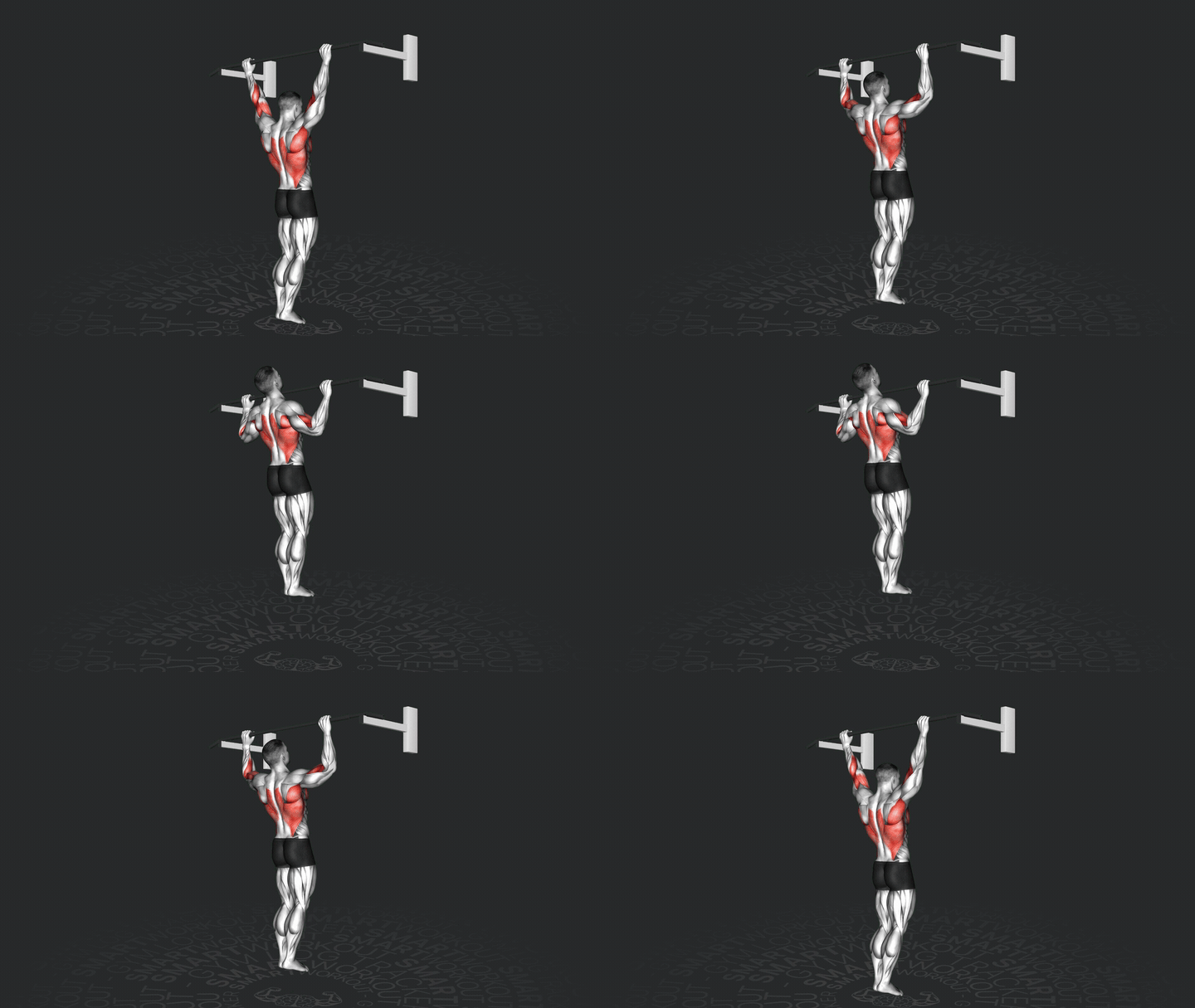
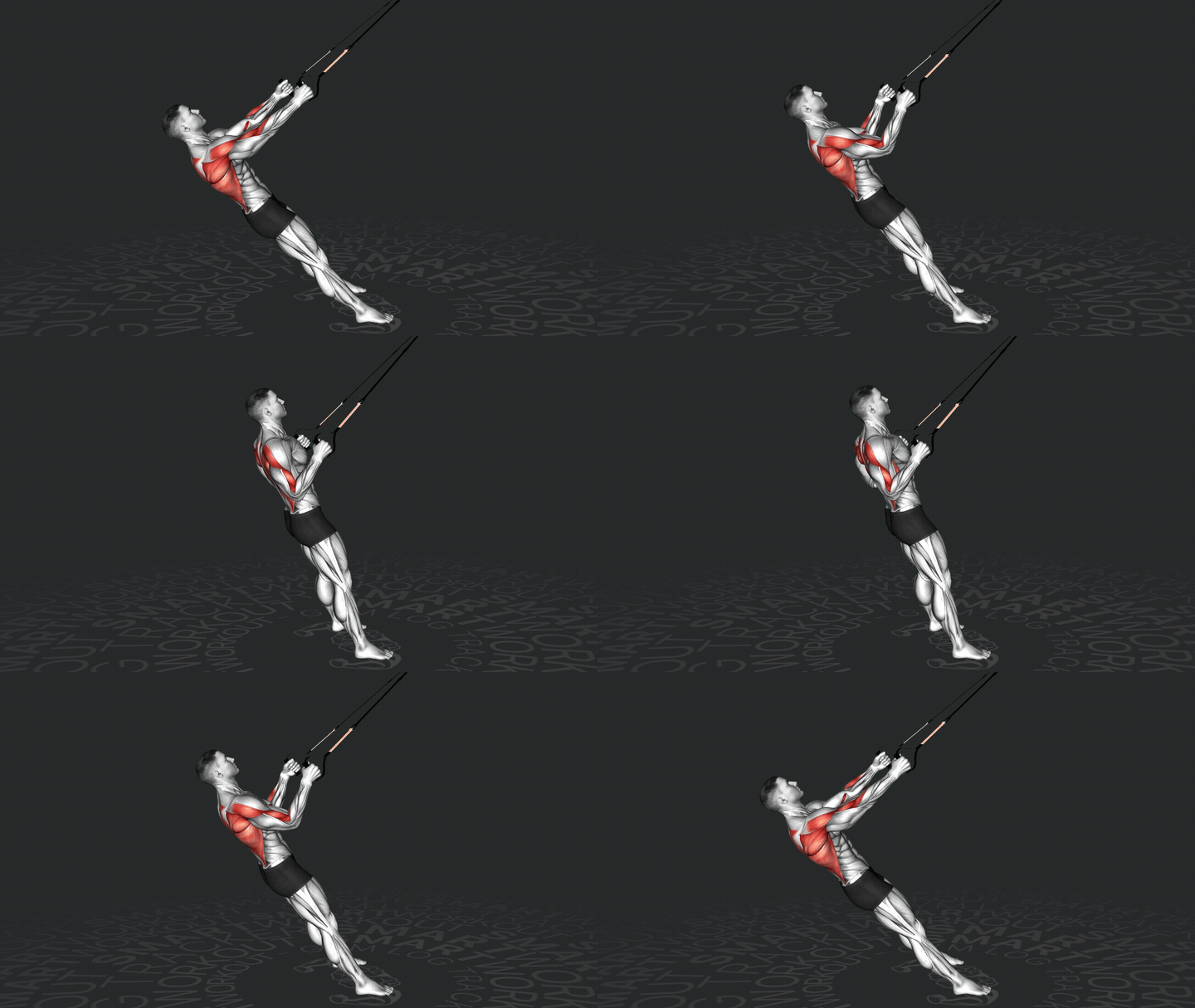
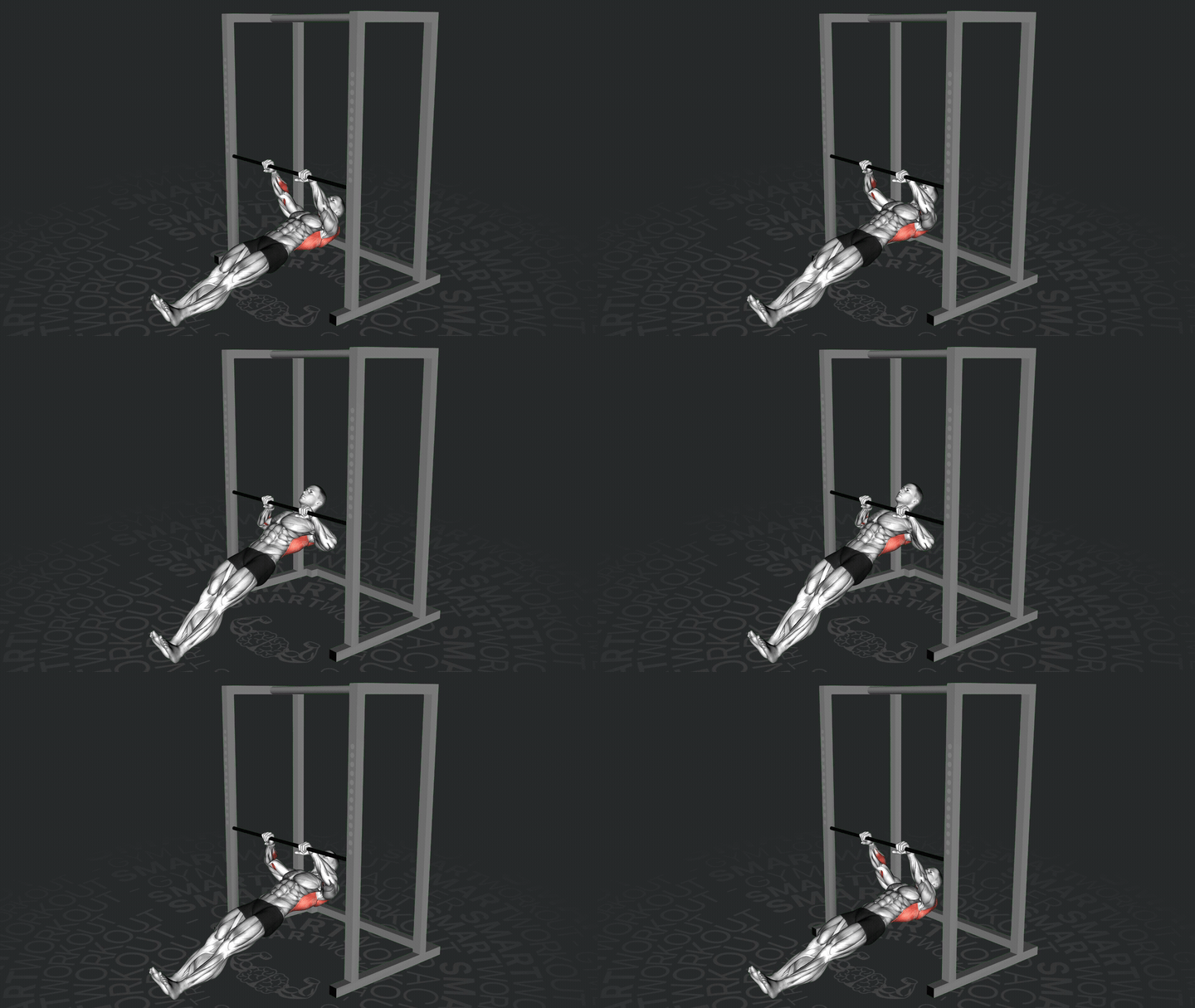
The Australian Pull-Up Underhand Grip, also known as an inverted row with a supine grip, is a bodyweight exercise targeting the upper back, biceps, and forearms. It involves pulling your chest towards a bar while your body remains in a horizontal position, with feet on the ground and palms facing you.
exercise_detail.how_to_perform
- Set a bar at waist height on a squat rack or Smith machine.
- Lie under the bar with your chest directly beneath it.
- Grab the bar with an underhand grip, hands shoulder-width apart.
- Extend your legs out in front of you, keeping your heels on the ground.
- Engage your core and keep your body in a straight line from head to heels.
- Pull your chest towards the bar by bending your elbows and squeezing your shoulder blades together.
- Pause briefly at the top of the movement when your chest touches the bar.
- Lower yourself back to the starting position with control.
exercise_detail.what_muscles_work
exercise_detail.primary_muscle:
exercise_detail.secondary_muscles:
exercise_detail.tips
- Ensure your body forms a straight line from head to heels throughout the exercise.
- Keep your elbows close to your body as you pull up to engage the biceps effectively.
- Focus on squeezing your shoulder blades together at the top of the movement for maximum back engagement.
- Control the descent to maintain tension in the muscles and prevent injury.
- If you find it too difficult, bend your knees to reduce the load or raise the bar higher.
- To increase difficulty, elevate your feet on a bench or platform.
exercise_detail.common_mistakes
- Hips sagging, reducing core engagement and increasing strain on the lower back.
- Elbows flaring out, which can lead to shoulder discomfort and inefficient pulling mechanics.
- Pulling with the arms instead of initiating the movement from the back muscles.
- Inadequate retraction and depression of the scapulae, limiting back muscle activation.
- Inconsistent tempo, leading to poor control and reduced effectiveness of the exercise.
- Chin not reaching the bar, resulting in incomplete range of motion.
- Feet placed too far forward, reducing leverage and making the movement more difficult.
- Wrists bending excessively, which can cause discomfort and reduce grip strength.
- Neck craning forward, leading to potential neck strain and misalignment.
exercise_detail.recommended_exercises
exercise_detail.recommended_exercises_intro
exercise_detail.app_ad.title
exercise_detail.app_ad.description