Pull-Up Neutral Grip
enums.exercise_tag.STRENGTHenums.exercise_tag.PULLenums.exercise_tag.FUNCTIONAL
exercise_detail.body_part: enums.body_part.BACK
exercise_detail.description
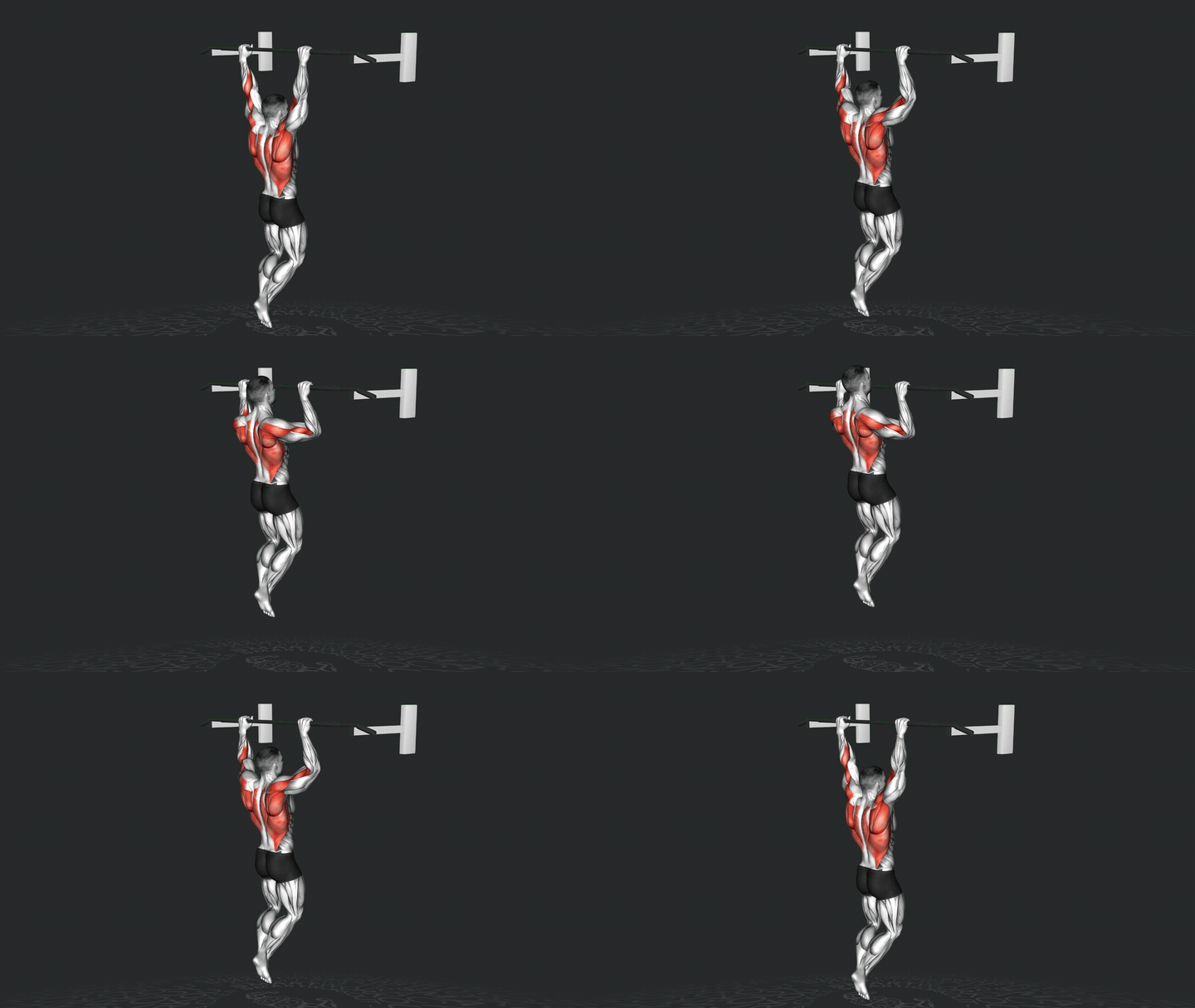
The Pull-Up Neutral Grip is a compound upper body exercise targeting the back, shoulders, and arms. It involves pulling your body up using a bar with palms facing each other, which reduces strain on the shoulders and wrists compared to other pull-up variations.
exercise_detail.how_to_perform
- Stand under a pull-up bar with neutral grip handles.
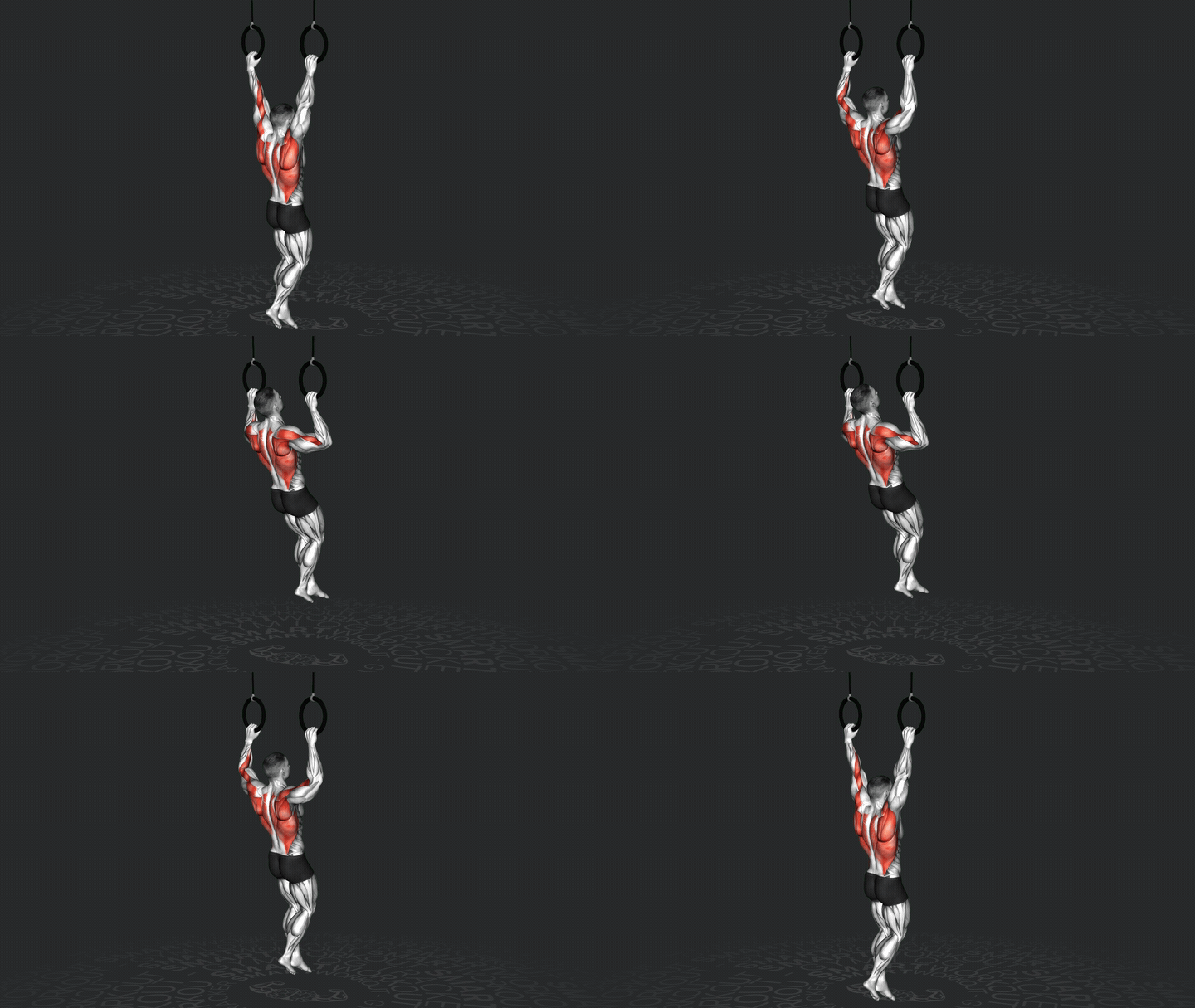
- Jump or step up to grab the handles with palms facing each other, arms fully extended.
- Engage your core and pull your shoulder blades down and back.
- Pull yourself up until your chin is above the bar, keeping elbows close to your body.
- Pause briefly at the top of the movement.
- Lower yourself in a controlled manner until arms are fully extended again.
- Repeat for the desired number of repetitions.
exercise_detail.what_muscles_work
exercise_detail.primary_muscle:
exercise_detail.secondary_muscles:
exercise_detail.tips
- Ensure a full range of motion by fully extending your arms at the bottom.
- Keep your core tight throughout the movement to prevent swinging.
- Focus on pulling with your back muscles rather than just your arms.
- Maintain a steady, controlled pace to maximize muscle engagement.
- If you're unable to perform a full pull-up, use resistance bands for assistance or try negative pull-ups.
exercise_detail.common_mistakes
- Using momentum to swing the body instead of controlled movement.
- Failing to engage the core, leading to excessive lower back arching.
- Not pulling the elbows down and back, reducing lat engagement.
- Allowing the shoulders to shrug up towards the ears.
- Not achieving a full range of motion by stopping before the chin clears the bar.
- Dropping too quickly from the top position, risking shoulder strain.
- Gripping the bar too tightly, causing forearm fatigue prematurely.
- Starting with the arms fully extended but not maintaining tension in the muscles.
- Allowing the wrists to bend excessively instead of keeping them neutral.
- Positioning the hands too close together, limiting shoulder movement.
exercise_detail.recommended_exercises
exercise_detail.recommended_exercises_intro
exercise_detail.app_ad.title
exercise_detail.app_ad.description