Suspension Inverted Row
Track Suspension Inverted Row in SmartWorkout and watch your numbers go up
Log sets, weights and progress for free, with no workout limits.


Description
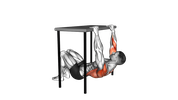
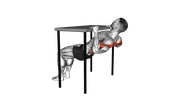
The Suspension Inverted Row is a bodyweight exercise that targets the upper back, shoulders, and biceps. It utilizes suspension straps to allow for a customizable angle of resistance, making it suitable for various fitness levels. This exercise helps improve posture, upper body strength, and muscular endurance.
How to Perform
- Attach the suspension straps to a secure anchor point above head height.
- Adjust the straps so that the handles are at waist height.
- Stand facing the anchor point and grab the handles with an overhand grip.
- Walk your feet forward until your body is at a desired angle, maintaining a straight line from head to heels.
- Engage your core and keep your body rigid.
- Pull your chest towards the handles by driving your elbows back and squeezing your shoulder blades together.
- Pause briefly at the top of the movement.
- Slowly extend your arms to return to the starting position.
- Repeat for the desired number of repetitions.
What Muscles Work
Primary Muscle:
Secondary Muscles:
Tips
- Ensure that your core is engaged throughout the movement to maintain a straight body line.
- Adjust the angle of your body to increase or decrease difficulty; a more horizontal position increases resistance.
- Focus on squeezing your shoulder blades together at the top of the movement for maximum contraction.
- Keep your wrists in a neutral position to avoid unnecessary strain.
- Control the descent to maximize muscle engagement and prevent injury.
- Breathe out as you pull yourself up and inhale as you lower yourself back down.
Common Mistakes
- Pulling with the arms instead of engaging the back muscles.
- Letting the hips sag or rise, losing a straight body line.
- Allowing the shoulders to round forward during the pull.
- Not retracting the shoulder blades at the top of the movement.
- Using momentum to complete the pull instead of controlled movement.
- Failing to maintain a neutral head and neck position.
- Gripping the handles too tightly, causing forearm fatigue.
- Not achieving full range of motion, stopping short of chest to handles.
- Starting with the body too vertical, reducing exercise intensity.
- Flaring the elbows out too wide, risking shoulder strain.
Recommended Exercises
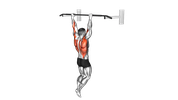
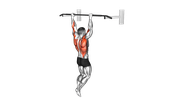
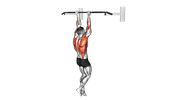
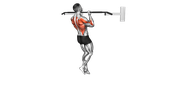
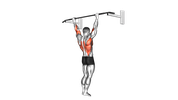
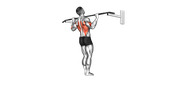
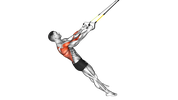
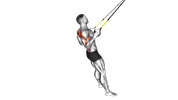
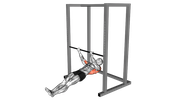
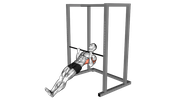
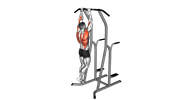
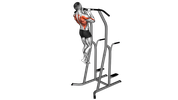
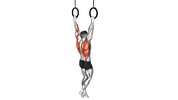
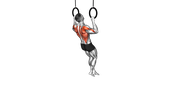
Explore exercises related to Suspension Inverted Row for back training and similar movement patterns.
Choose a workout plan or create your own - for free
Ready-made plans for every goal, a free plan creator, hundreds of exercises and an advanced workout journal - all in SmartWorkout.


Start with a free plan. Keep progressing with SmartWorkout.
- users
- 200k+
- exercises with technique guides
- 1,000+
- workouts on the free plan
- ∞