Weighted Pull-Up
enums.exercise_tag.STRENGTHenums.exercise_tag.PULL
exercise_detail.body_part: enums.body_part.BACK
exercise_detail.description
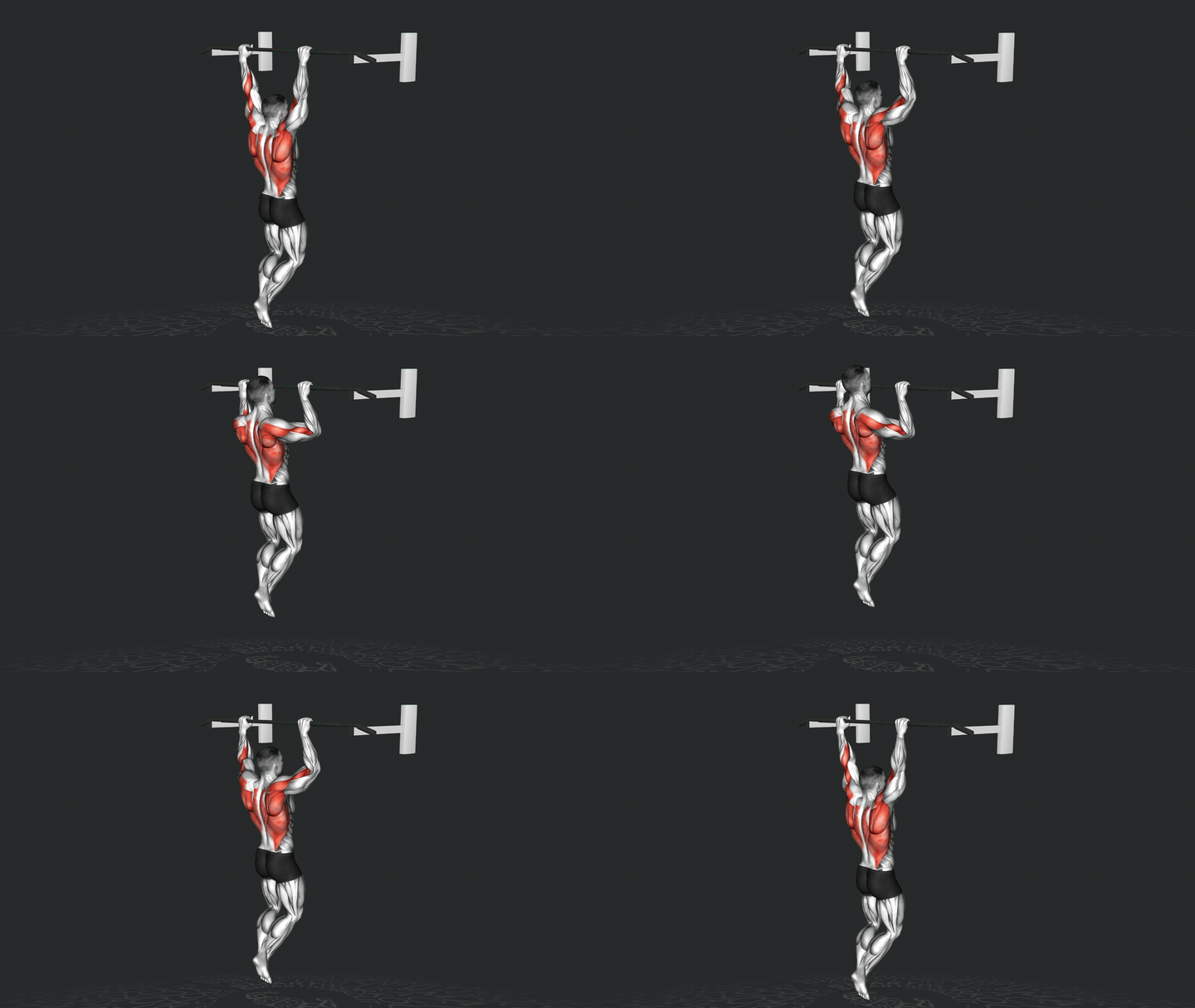
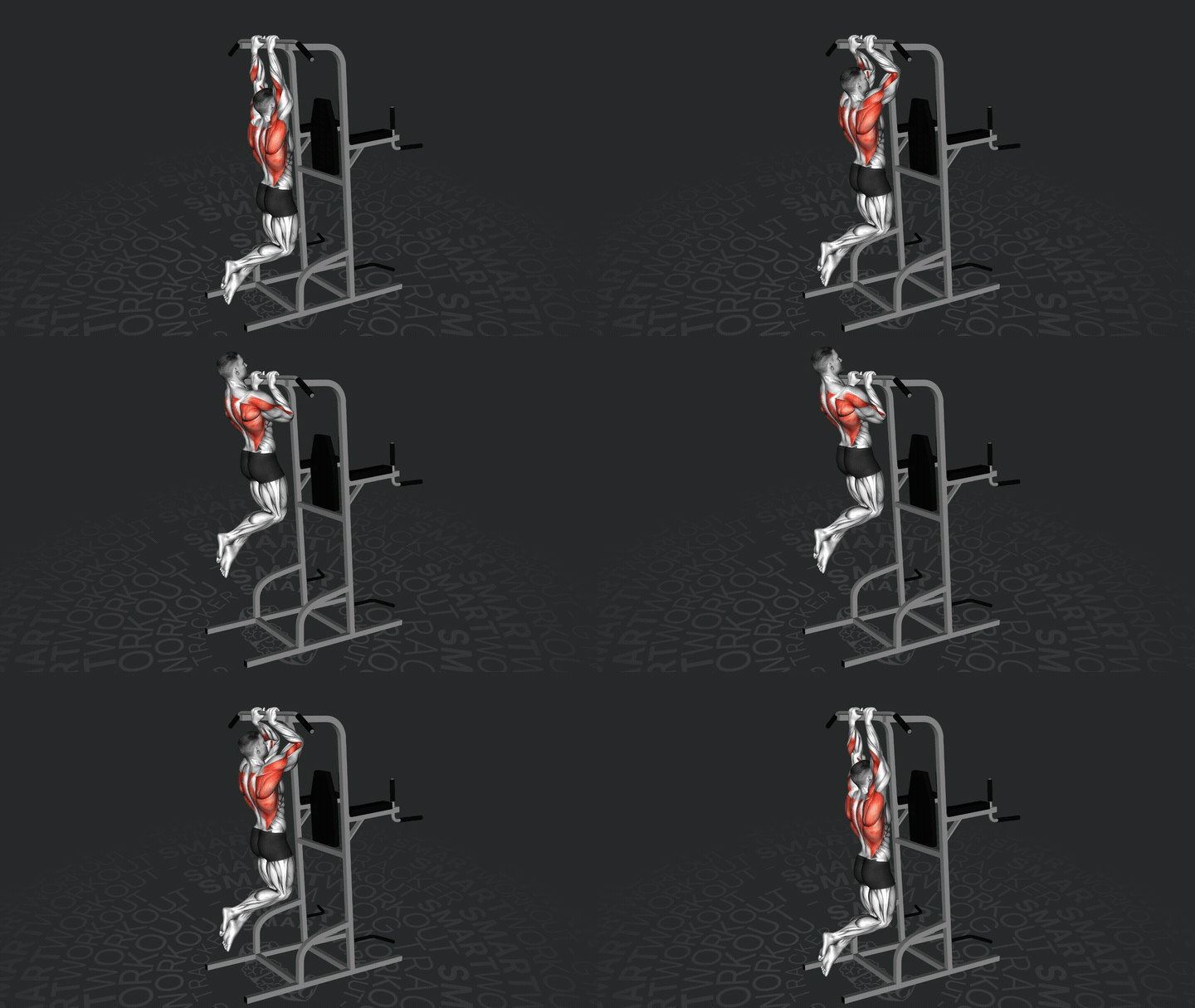
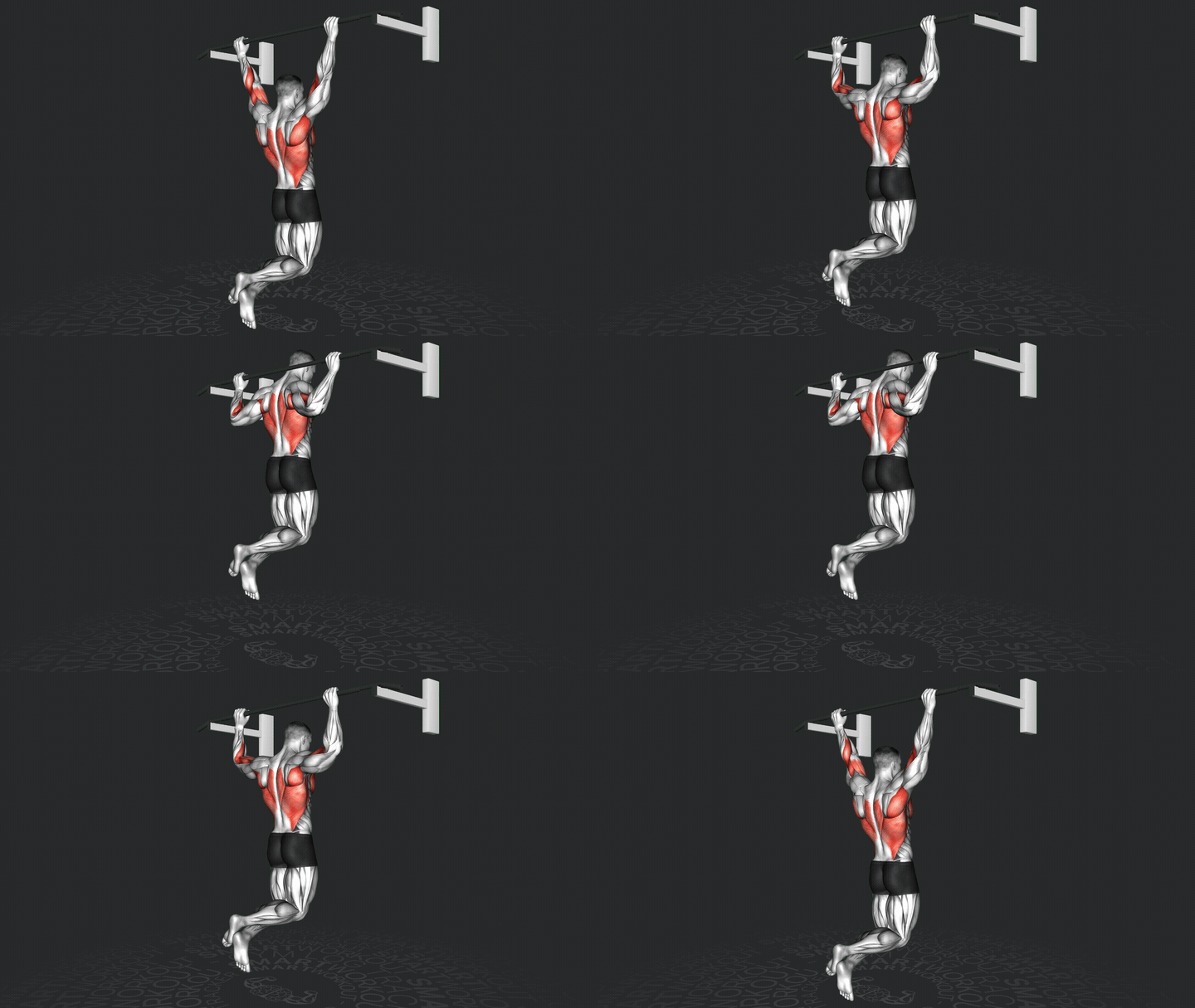
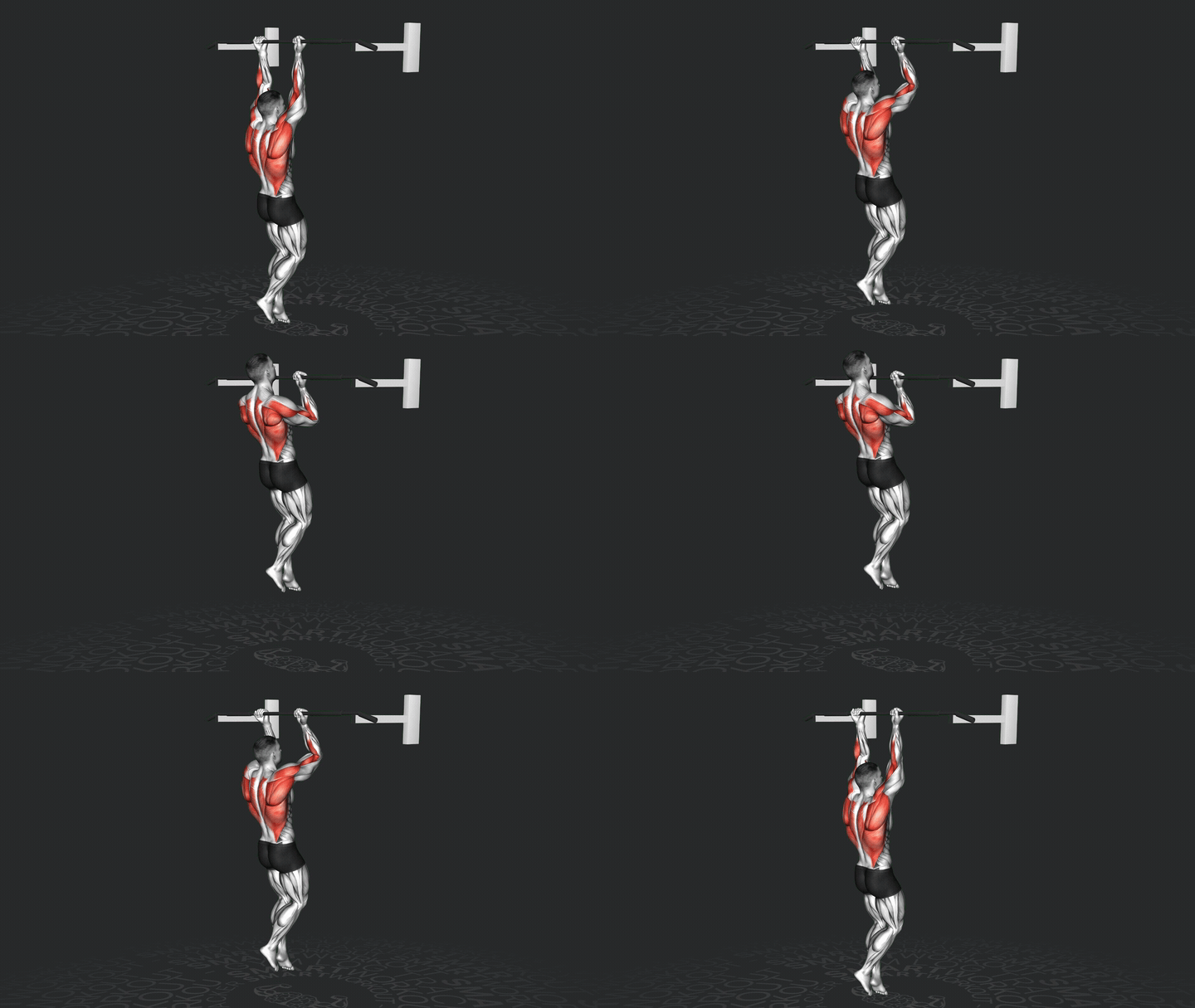
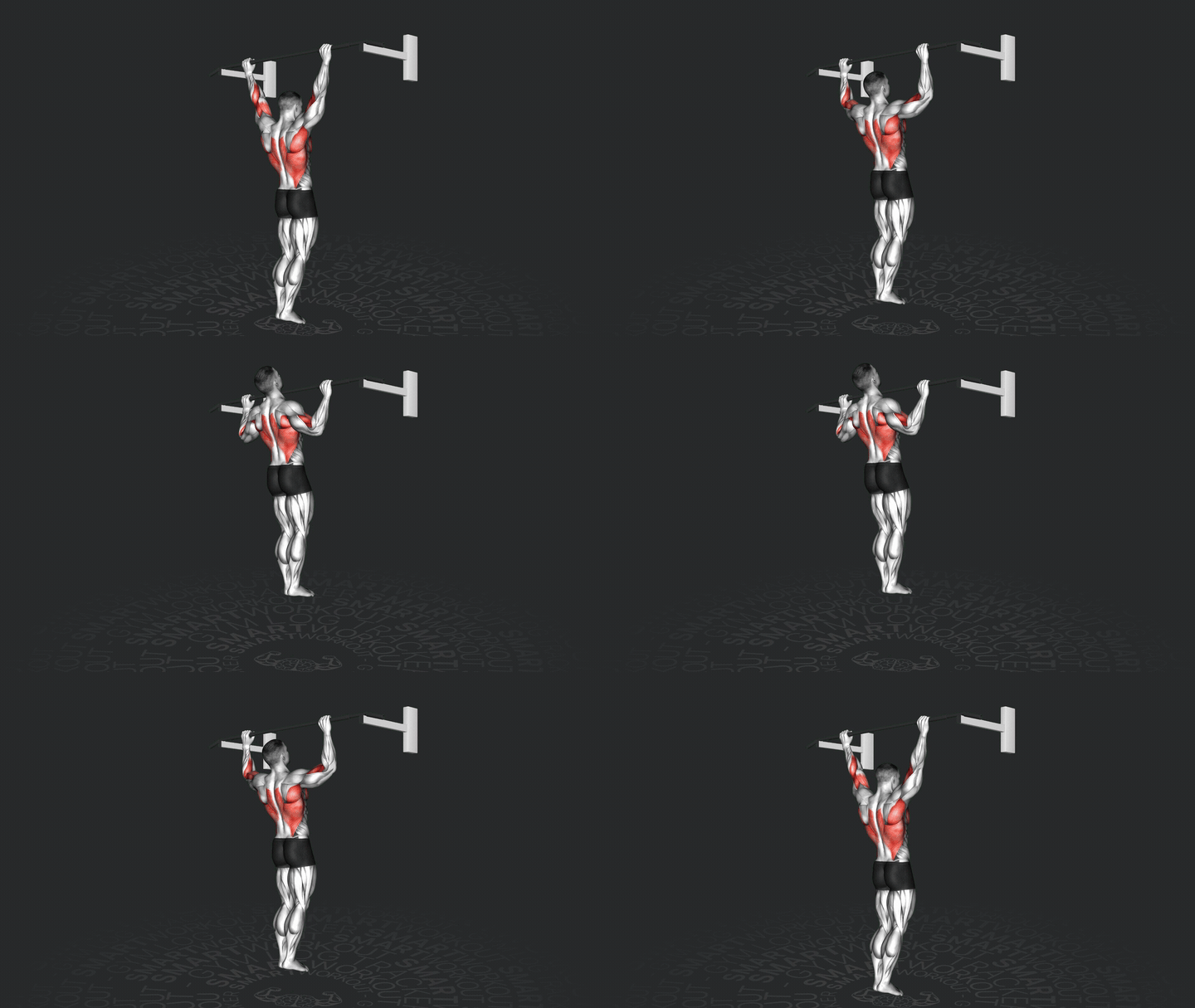
The Weighted Pull Up is an advanced upper body exercise that targets the latissimus dorsi, biceps, and other muscles of the back and arms. By adding weight, this exercise increases resistance, enhancing muscle strength and hypertrophy. It requires a pull-up bar and additional weight, typically attached via a weight belt.
exercise_detail.how_to_perform
- Begin by securely attaching a weight to your body using a dip belt or weighted vest.
- Stand beneath a pull-up bar and grasp it with an overhand grip, hands slightly wider than shoulder-width apart.
- Engage your core and retract your shoulder blades to stabilize your body.
- Initiate the pull by driving your elbows downwards and pulling your chin above the bar.
- Pause briefly at the top of the movement, ensuring full contraction of the back muscles.
- Lower yourself in a controlled manner until your arms are fully extended.
- Repeat for the desired number of repetitions.
exercise_detail.what_muscles_work
exercise_detail.primary_muscle:
exercise_detail.secondary_muscles:
exercise_detail.tips
- Ensure that the added weight is securely fastened to prevent injury.
- Focus on maintaining a straight line from head to heels by engaging your core throughout the exercise.
- Avoid swinging or using momentum to complete the pull-up; aim for controlled movements.
- If you're new to weighted pull-ups, start with a lighter weight to master form before progressing.
- Keep your shoulders away from your ears to prevent unnecessary strain and promote proper muscle engagement.
- Breathe out as you pull up and inhale as you lower yourself back down.
exercise_detail.common_mistakes
- Using excessive weight that compromises form and control.
- Failing to engage the core, leading to swinging or kipping.
- Not achieving full range of motion, such as not lowering fully or not reaching chin over the bar.
- Allowing shoulders to shrug up instead of keeping them down and back.
- Using momentum instead of controlled movement.
- Gripping the bar too tightly, which can lead to forearm fatigue.
- Neglecting to stabilize the scapulae, causing shoulder strain.
- Bending the wrists excessively, which can lead to wrist discomfort.
- Not aligning the body vertically, causing unnecessary strain on the spine.
- Ignoring breathing patterns, leading to decreased performance and stability.
exercise_detail.recommended_exercises
exercise_detail.recommended_exercises_intro
exercise_detail.app_ad.title
exercise_detail.app_ad.description