Front Lever Pull-Up
enums.exercise_tag.STRENGTHenums.exercise_tag.COREenums.exercise_tag.PULLenums.exercise_tag.ISOMETRIC
exercise_detail.body_part: enums.body_part.BACK
exercise_detail.description
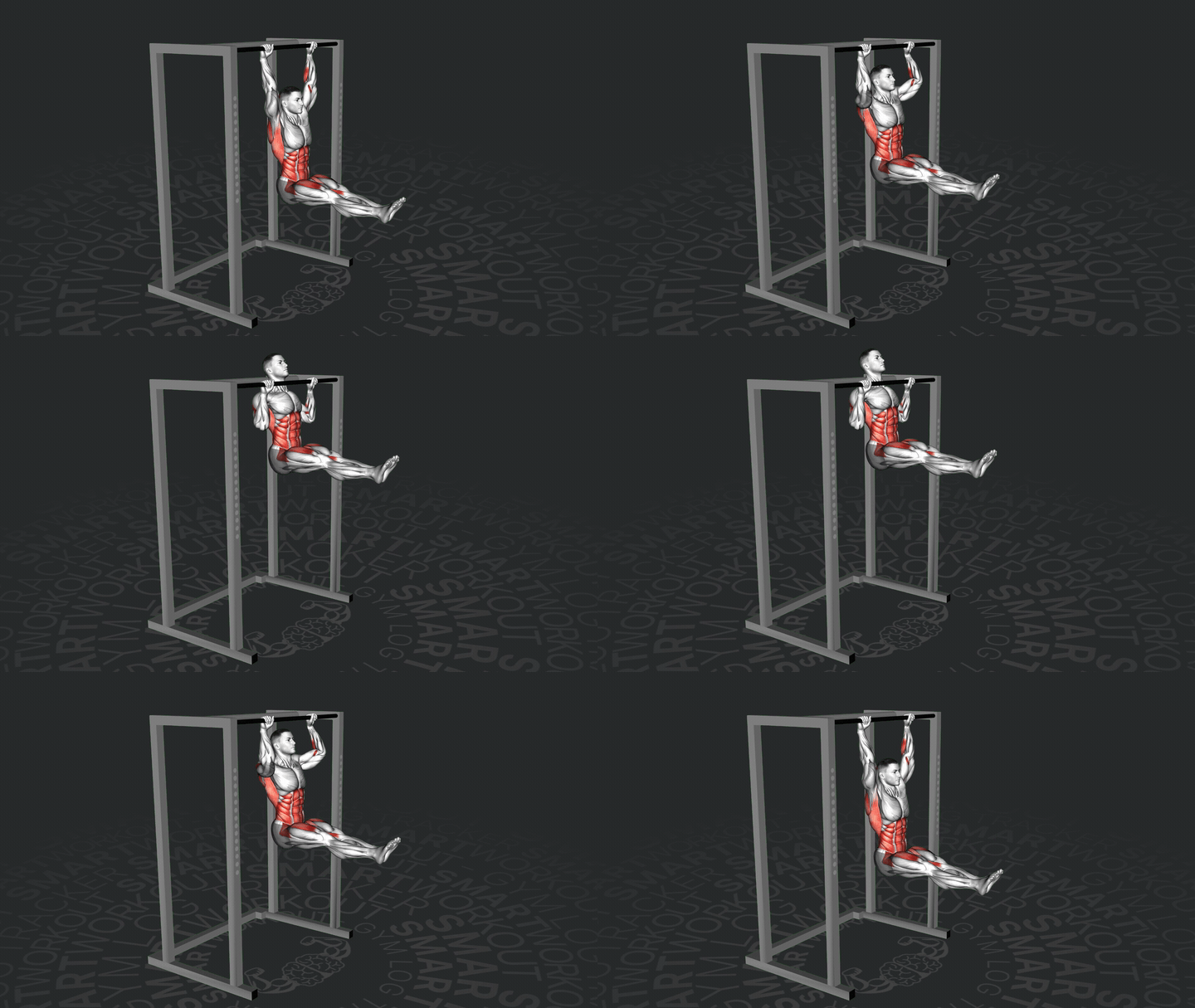
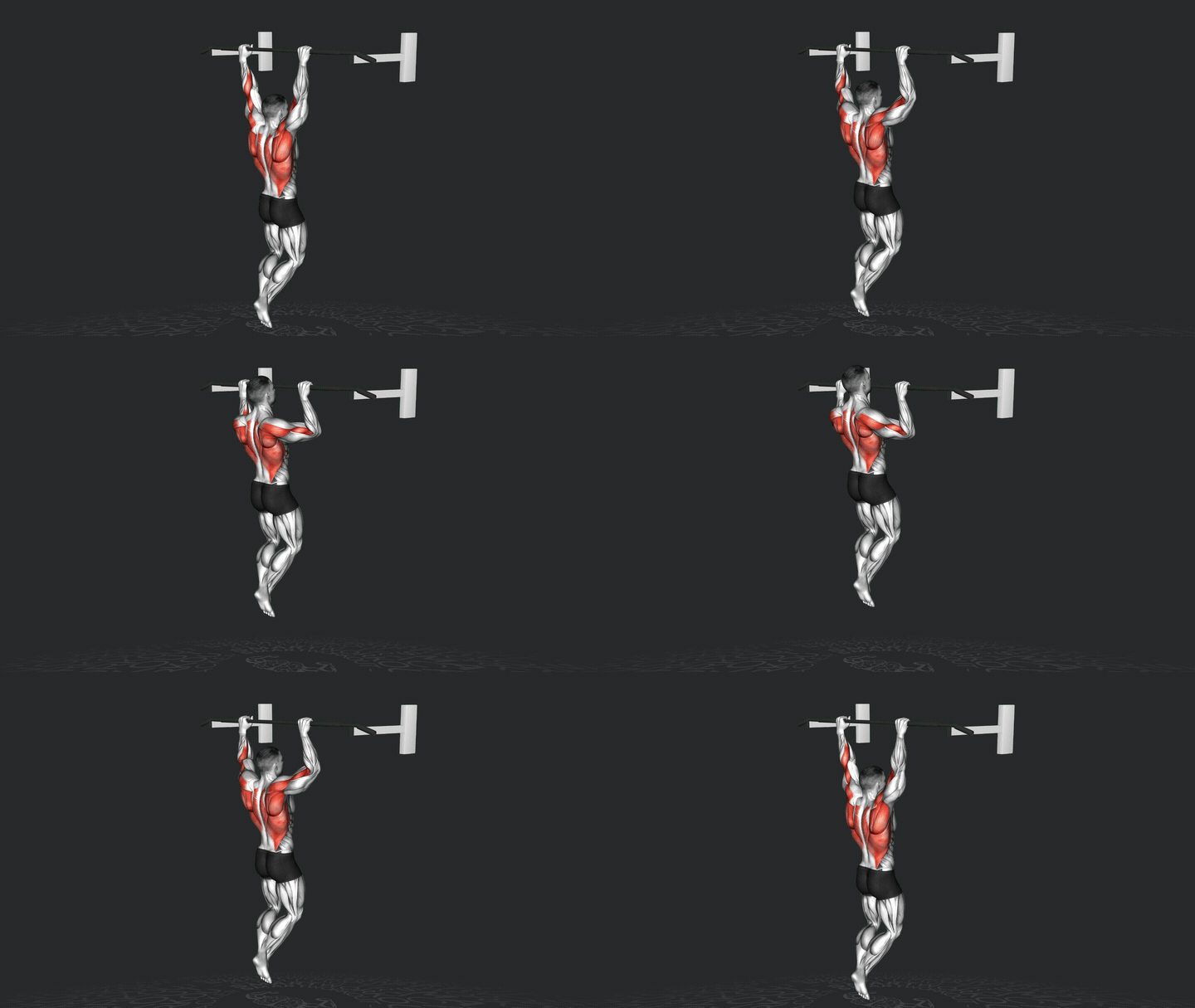
Front Lever Pull Ups are an advanced calisthenics exercise that targets the lats, core, and shoulders. This movement requires significant upper body strength and core stability to maintain a horizontal position while performing pull-ups. It is often used to demonstrate control and strength in bodyweight training.
exercise_detail.how_to_perform
- Begin by hanging from a pull-up bar with a shoulder-width grip, palms facing forward.
- Engage your core and lats to lift your legs and torso into a horizontal position, parallel to the ground.
- Once in the front lever position, initiate the pull-up by bending your elbows and pulling your chest towards the bar.
- Lower yourself back to the starting front lever position with control.
- Repeat for the desired number of repetitions while maintaining the front lever position.
exercise_detail.what_muscles_work
exercise_detail.primary_muscle:
exercise_detail.secondary_muscles:
exercise_detail.tips
- Ensure your body remains straight and parallel to the ground throughout the exercise.
- Focus on engaging your core and lats to maintain stability in the front lever position.
- Start with tuck front lever pull-ups if you are new to this exercise to build strength gradually.
- Use a spotter or resistance bands for assistance if you struggle to maintain form.
- Incorporate exercises like planks and hollow holds into your routine to strengthen your core for better performance.
exercise_detail.common_mistakes
- Bending the elbows too early, turning the movement into a row rather than a pull-up.
- Arching the back instead of maintaining a straight body line, reducing core engagement.
- Allowing the legs to sag, which compromises the lever position and increases difficulty.
- Failing to engage the scapulae, leading to shoulder instability.
- Using momentum to initiate the movement rather than controlled muscle engagement.
- Neglecting to keep the head in a neutral position, causing neck strain.
- Starting with an incorrect grip width, affecting leverage and muscle activation.
- Not maintaining a hollow body position, reducing core tension and control.
- Overextending the range of motion, risking shoulder strain.
exercise_detail.recommended_exercises
exercise_detail.recommended_exercises_intro
exercise_detail.app_ad.title
exercise_detail.app_ad.description