Seated Cable Chest Press
enums.exercise_tag.STRENGTHenums.exercise_tag.PUSH
exercise_detail.body_part: enums.body_part.CHEST
exercise_detail.description
The Seated Cable Chest Press is a compound exercise targeting the pectoral muscles, triceps, and anterior deltoids. It involves pressing a weight forward using a cable machine while seated, providing constant tension throughout the movement.
exercise_detail.how_to_perform
- Adjust the seat height so that the handles are at chest level when seated.
- Sit down with your back firmly against the pad and feet flat on the floor.
- Grasp the handles with an overhand grip, palms facing down.
- Engage your core and keep your elbows slightly below shoulder level.
- Press the handles forward by extending your arms until they are fully extended but not locked.
- Pause briefly at the top of the movement, squeezing your chest muscles.
- Slowly return to the starting position by bending your elbows and controlling the weight back.
exercise_detail.what_muscles_work
exercise_detail.primary_muscle:
exercise_detail.secondary_muscles:
exercise_detail.tips
- Ensure your back remains in contact with the pad throughout the exercise to maintain proper form.
- Keep your movements controlled; avoid using momentum to push the weight.
- Focus on squeezing your chest muscles at the peak of each repetition for maximum contraction.
- Adjust the weight to a manageable level that allows you to perform all repetitions with good form.
- Breathe out as you press forward and inhale as you return to the starting position.
exercise_detail.common_mistakes
- Leaning too far forward, reducing chest engagement.
- Allowing shoulders to rise, causing shoulder strain.
- Flaring elbows too wide, increasing shoulder joint stress.
- Using too much weight, compromising form and control.
- Not maintaining a neutral wrist position, risking wrist strain.
- Failing to fully extend arms, limiting chest activation.
- Rounding the back, decreasing core stability.
- Allowing cables to slack, losing tension on muscles.
- Moving too quickly, reducing muscle engagement.
- Not adjusting seat height, misaligning handles with chest.
exercise_detail.recommended_exercises
exercise_detail.recommended_exercises_intro
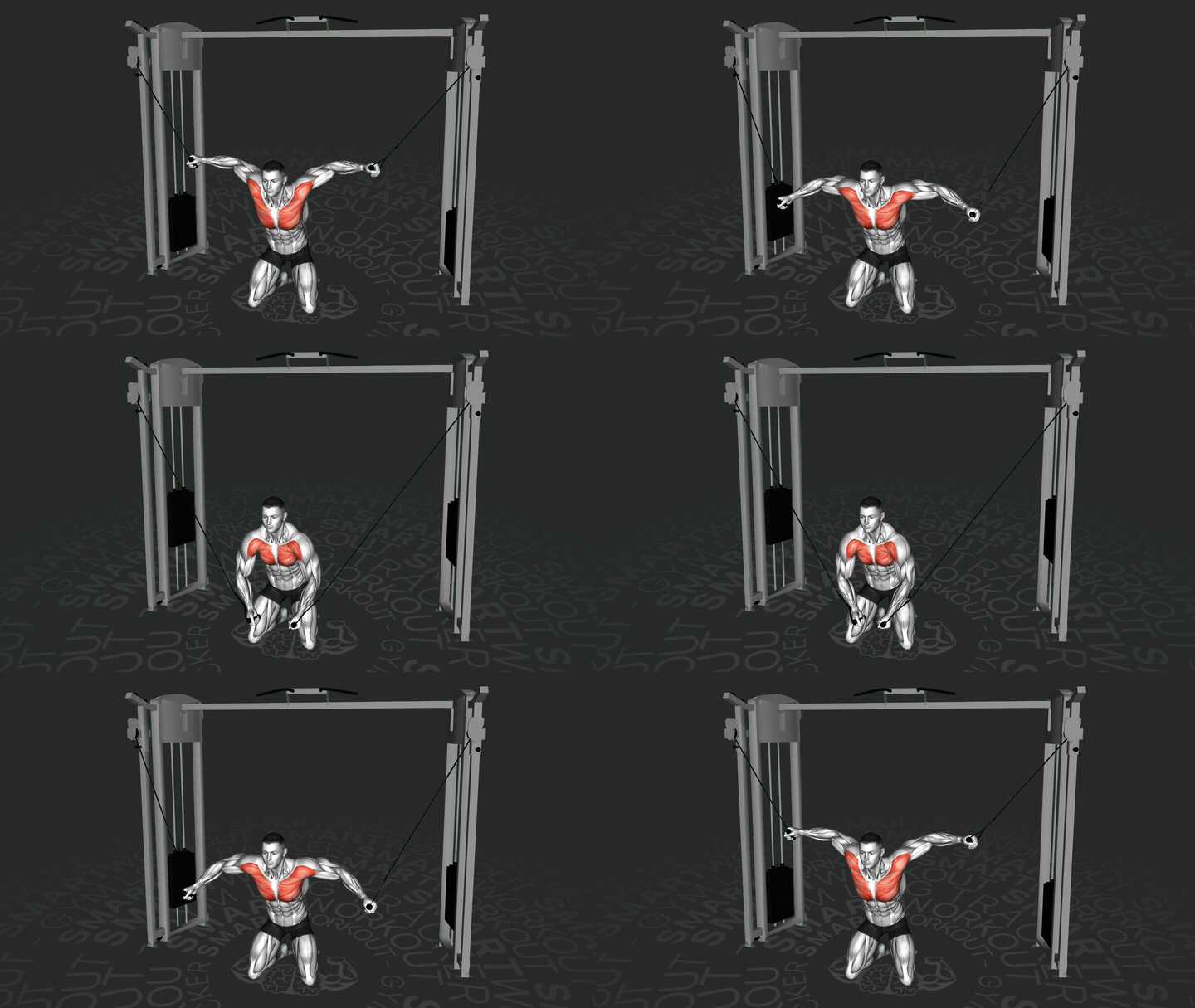
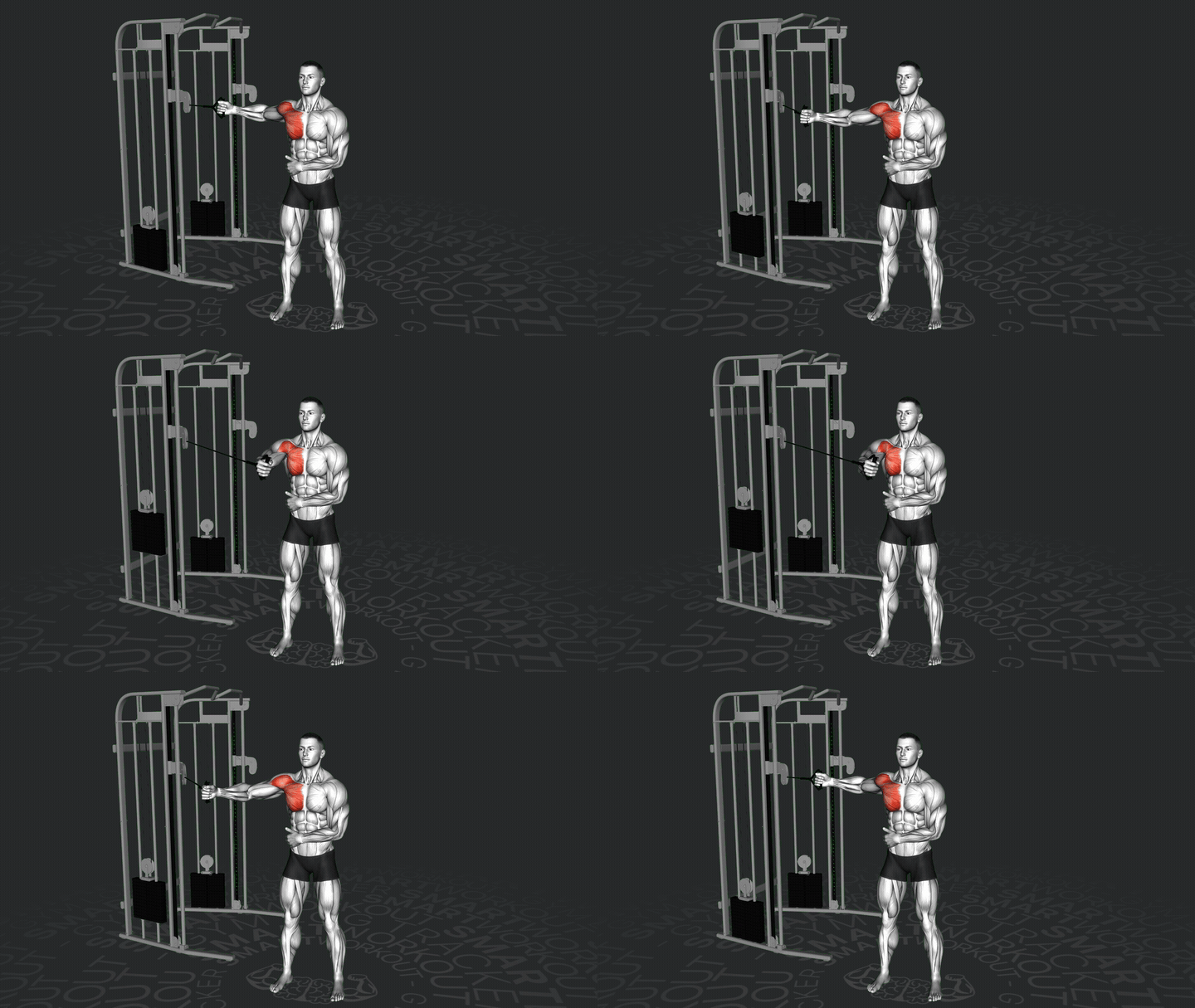
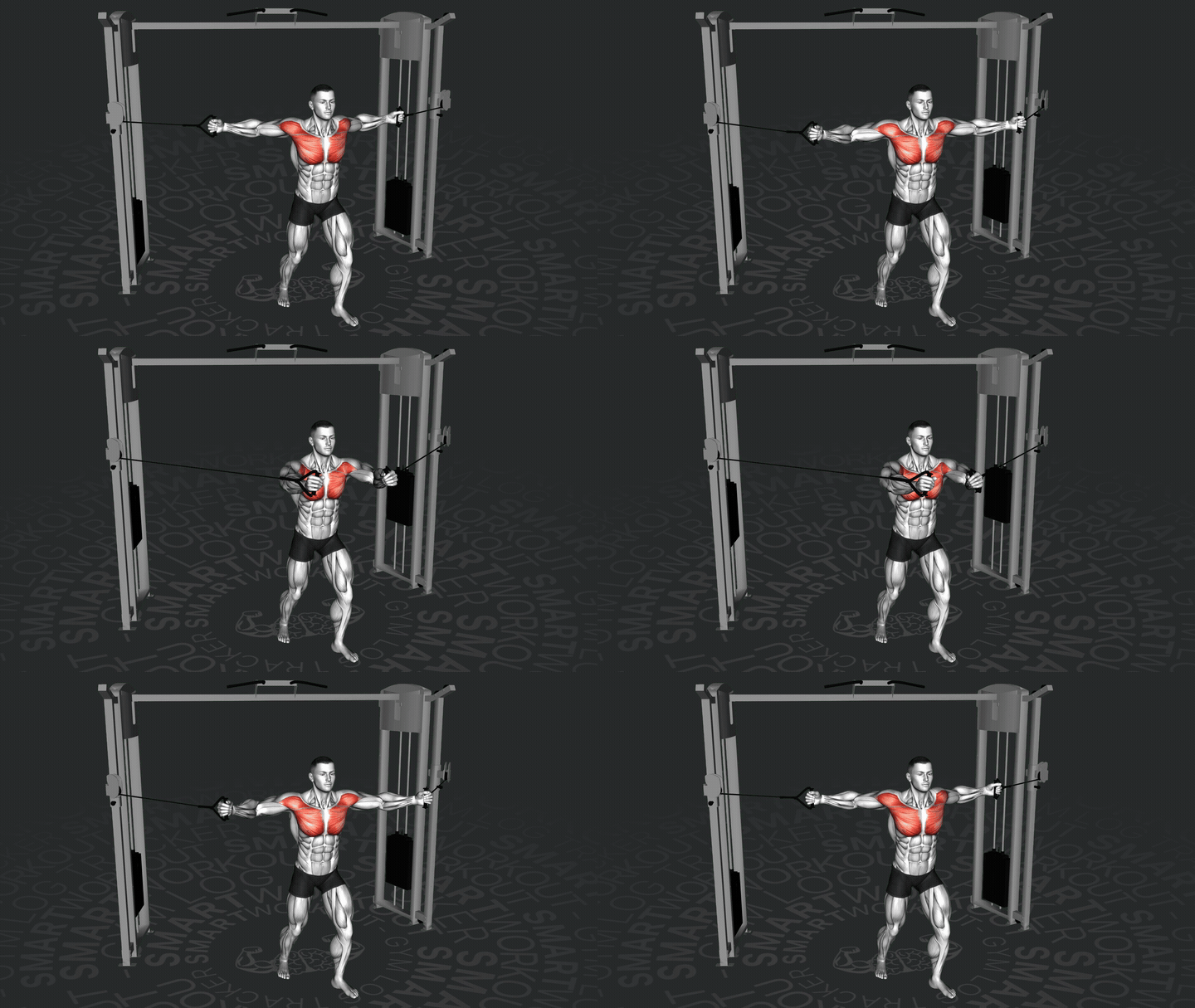
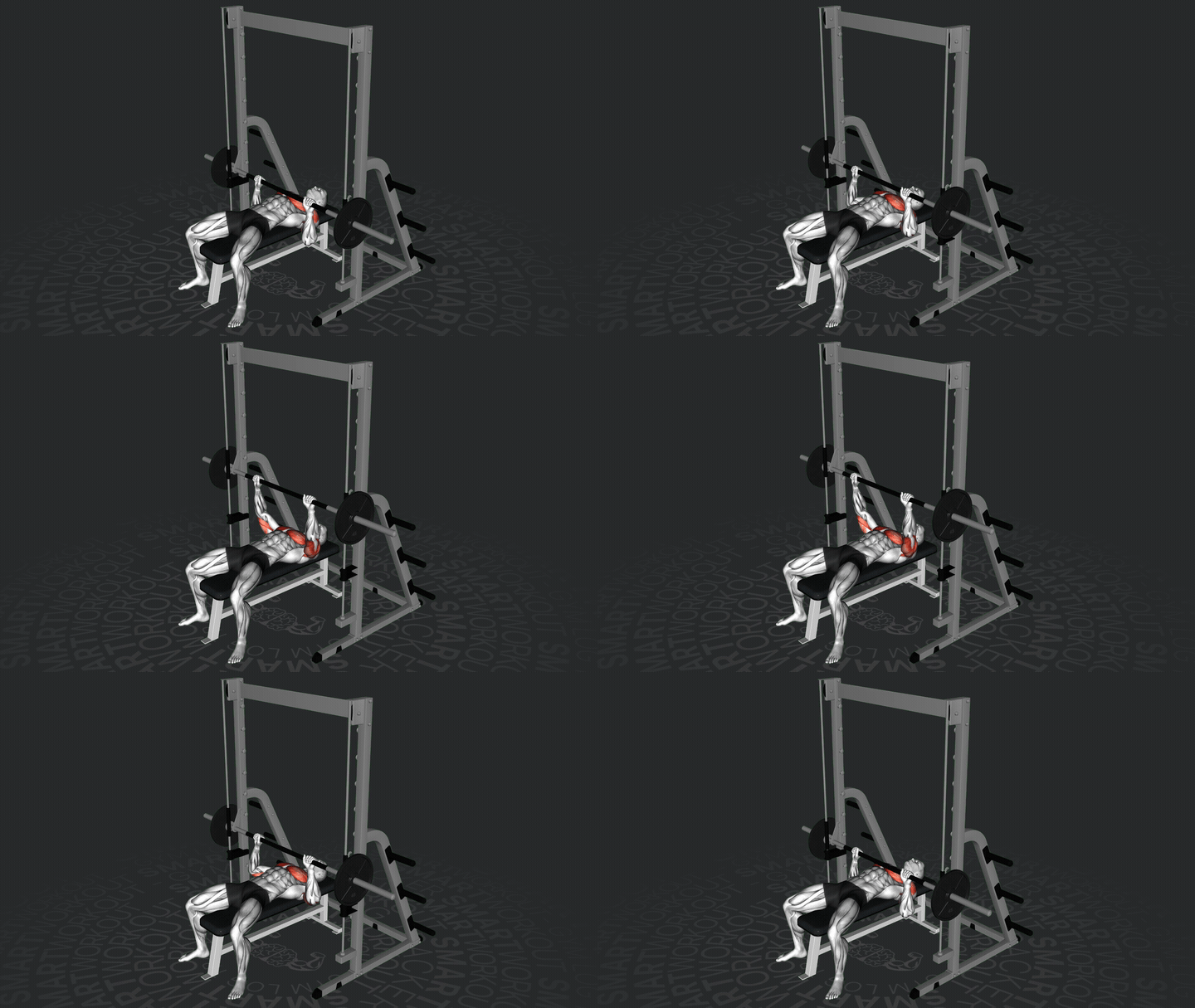
exercise_detail.app_ad.title
exercise_detail.app_ad.description