Seated Cable Fly
enums.exercise_tag.STRENGTHenums.exercise_tag.PUSH
exercise_detail.body_part: enums.body_part.CHEST
exercise_detail.description
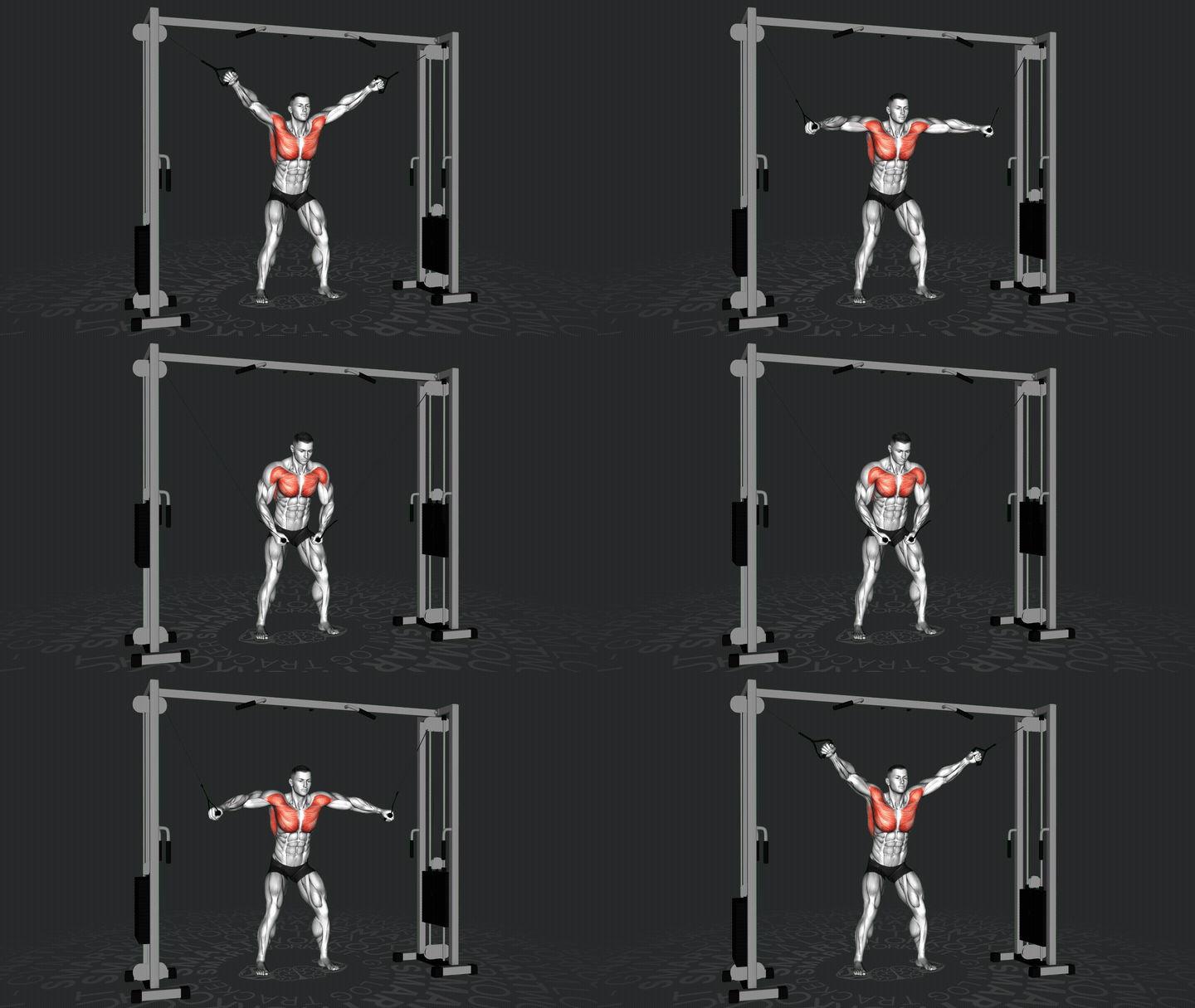
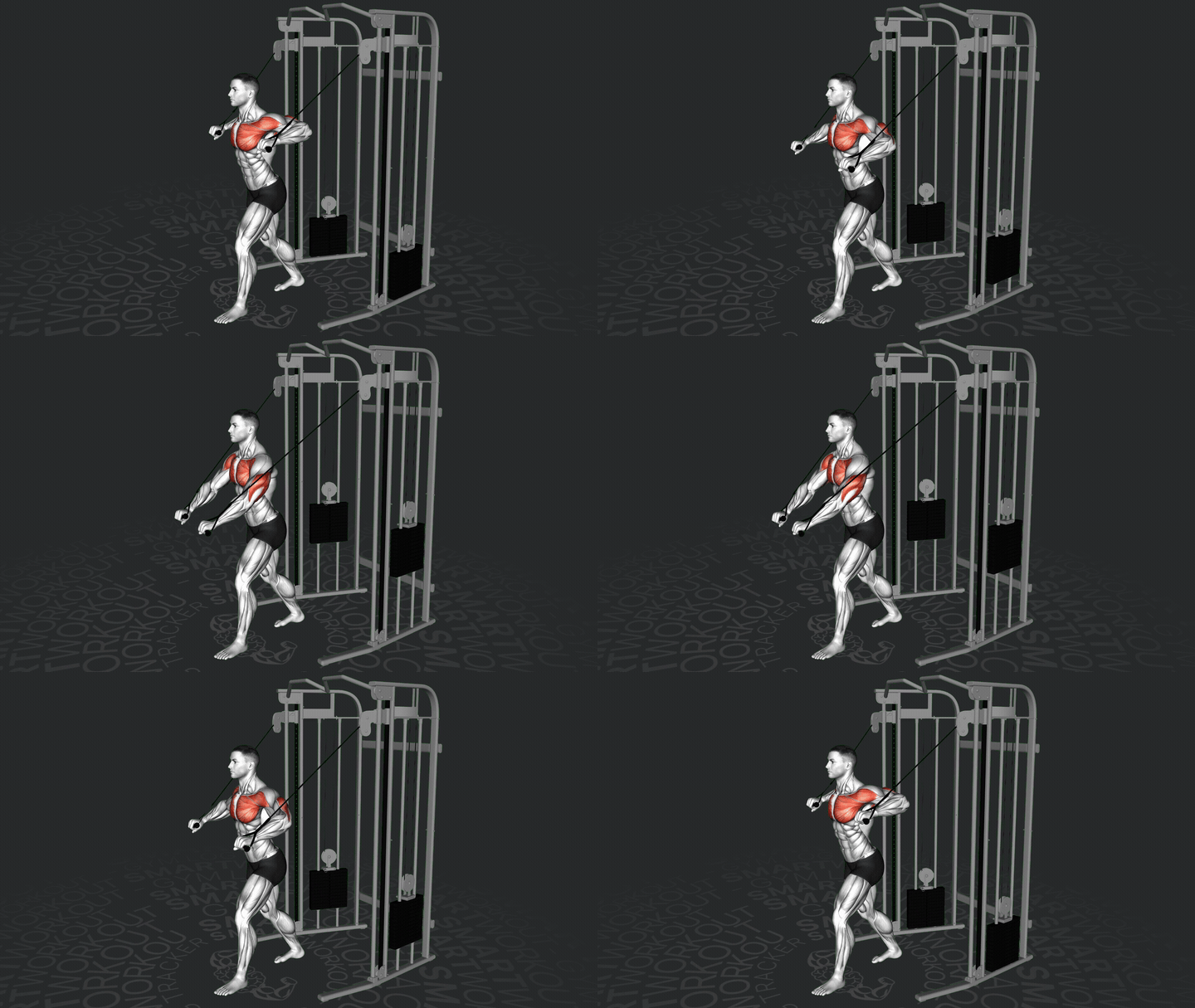
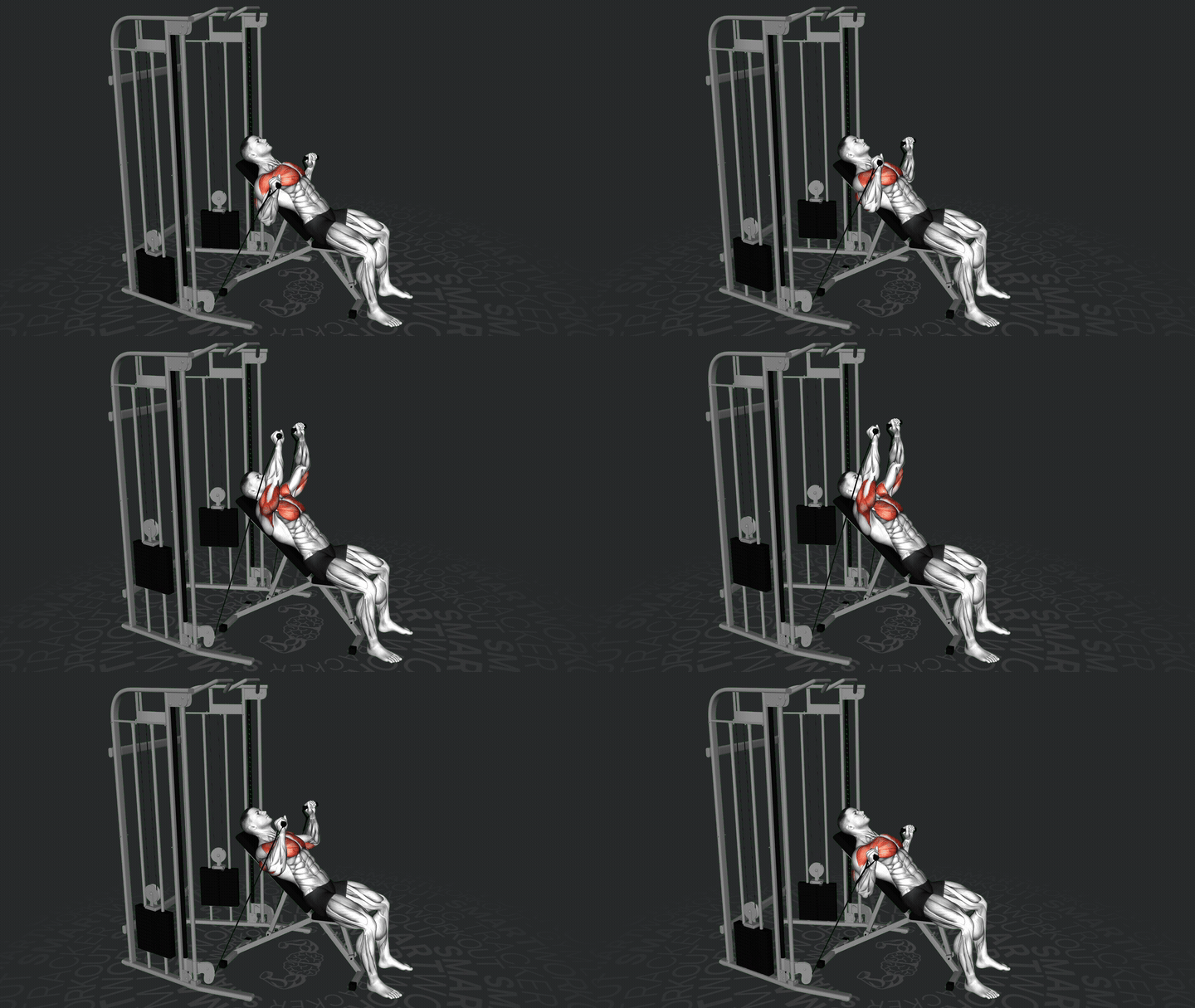
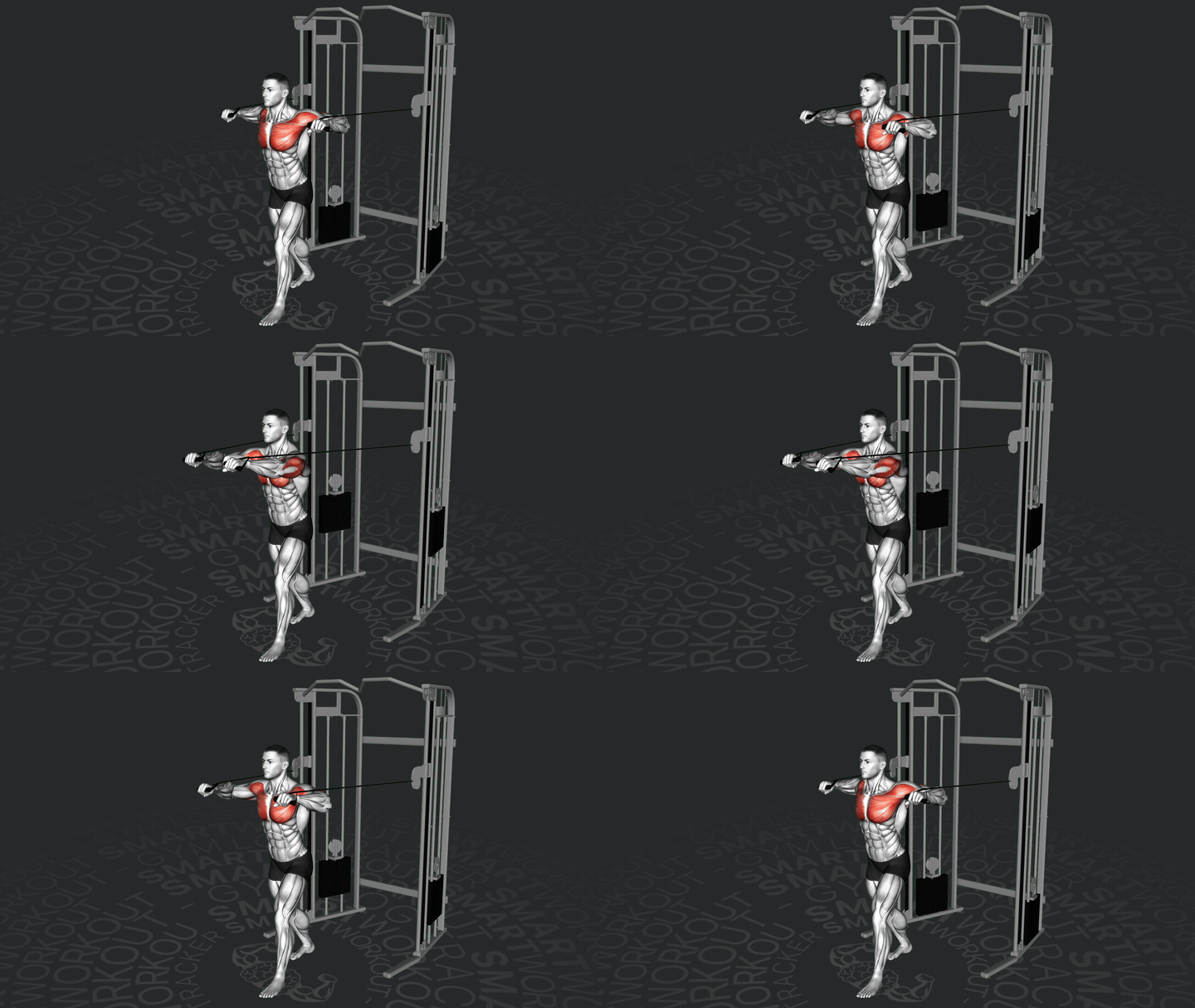
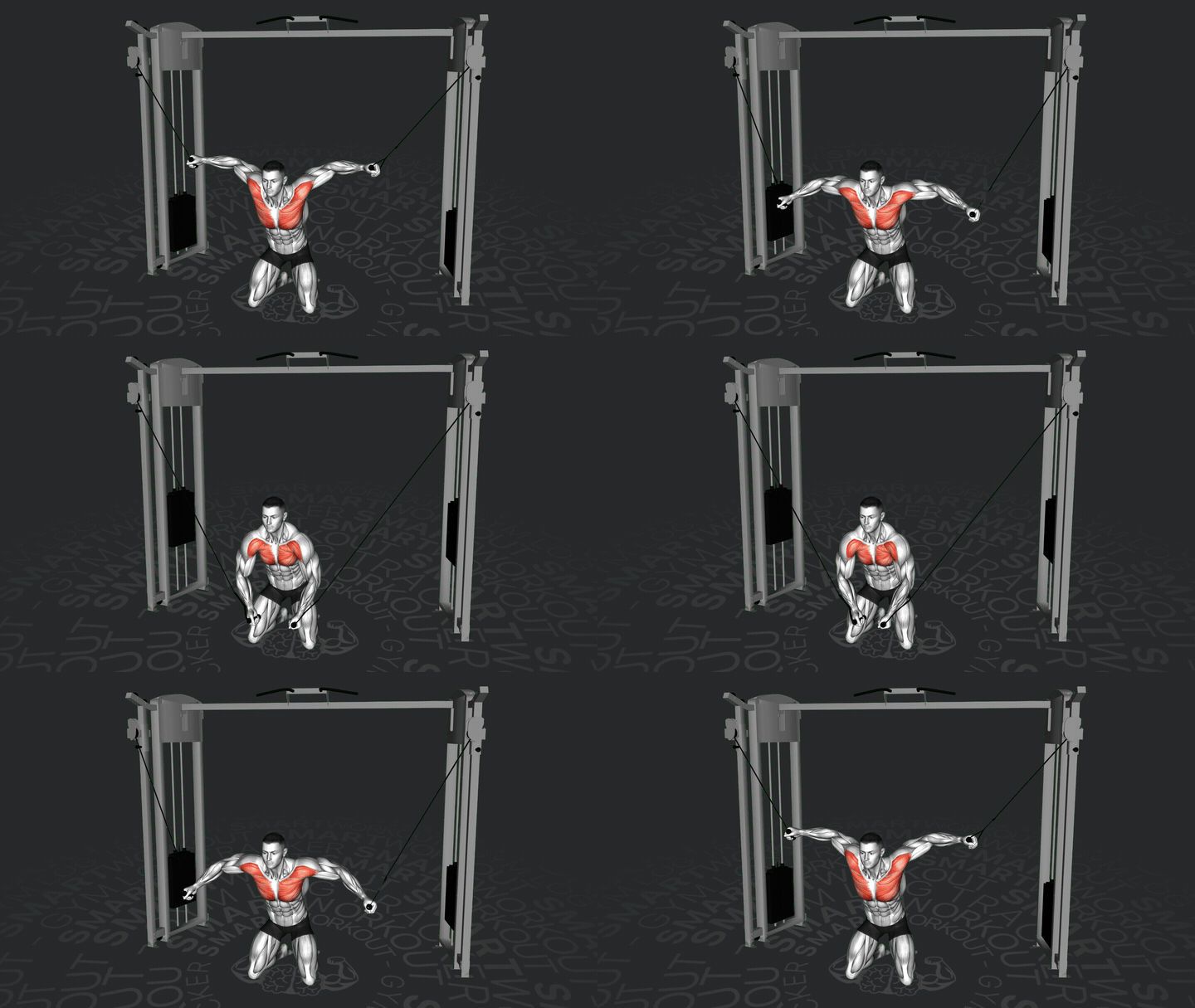
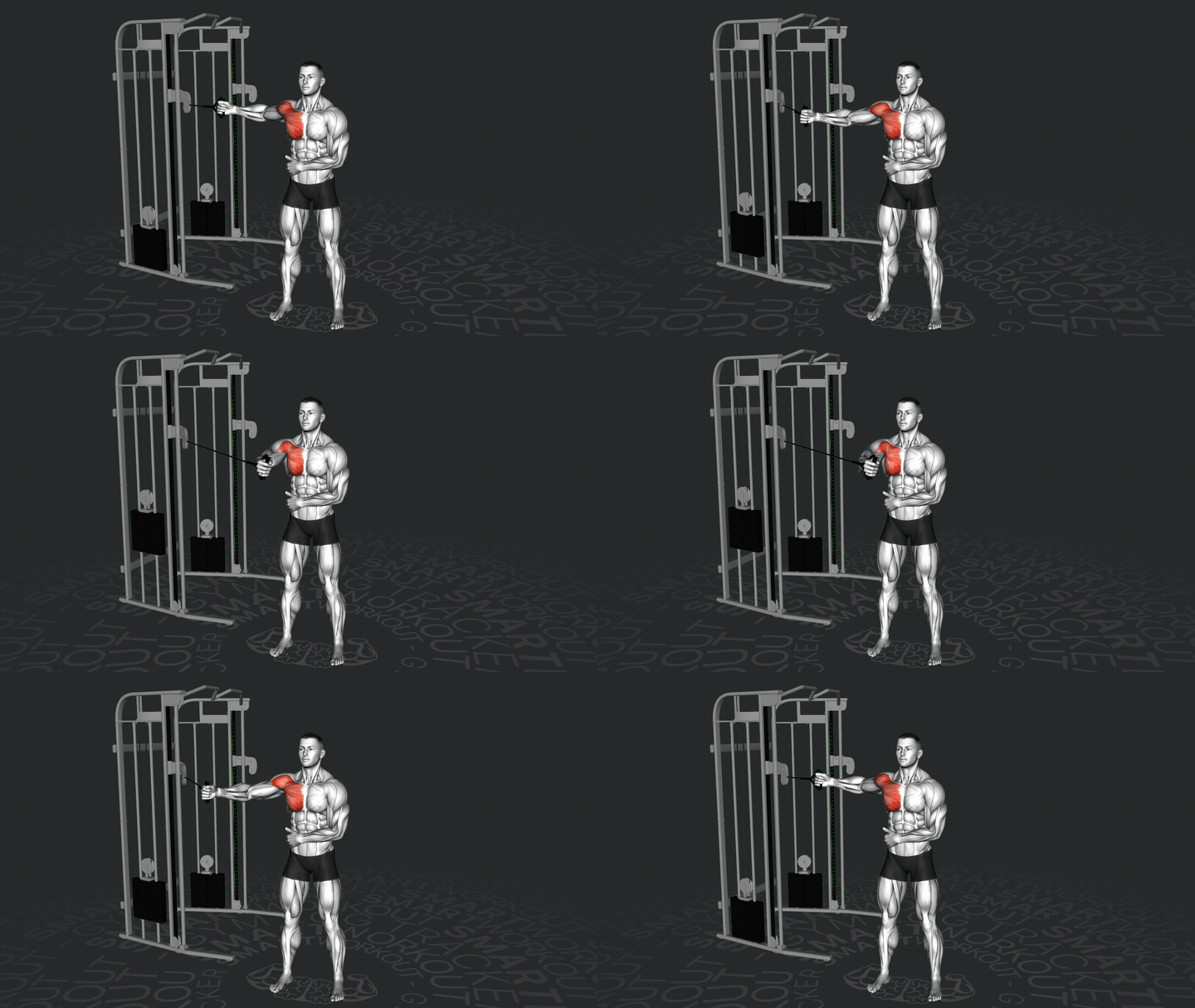
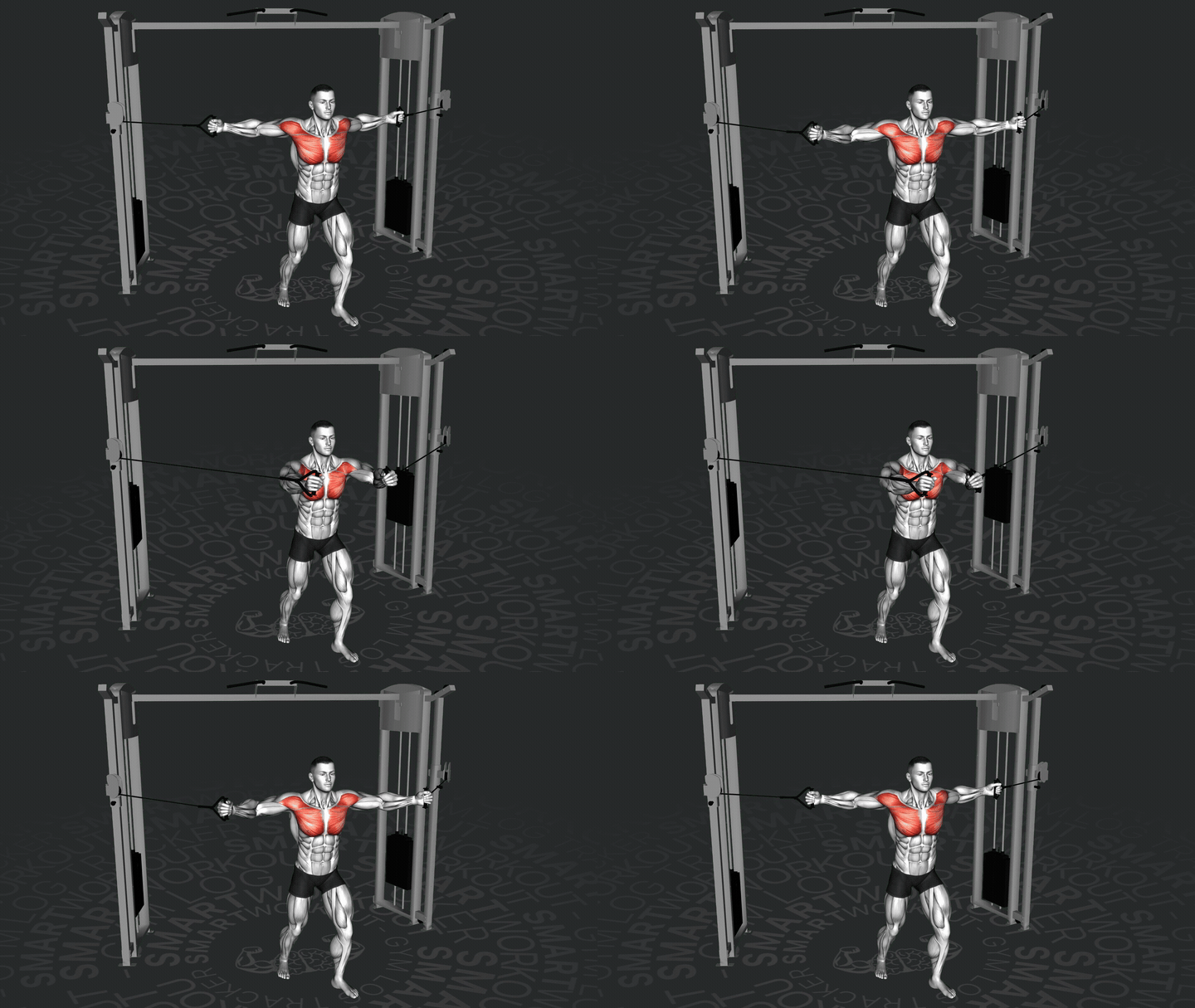
The Seated Cable Fly is an isolation exercise targeting the pectoral muscles, specifically the sternal head of the pectoralis major. It involves using a cable machine to perform a fly motion while seated, which helps in maintaining stability and focusing on muscle contraction.
exercise_detail.how_to_perform
- Adjust the seat height so that the handles are at chest level when you are seated.
- Sit on the bench with your back firmly against the pad and feet flat on the floor.
- Grasp the handles with a neutral grip, palms facing each other.
- Start with your arms extended out to the sides, elbows slightly bent.
- Exhale as you bring the handles together in front of your chest in a wide arc, keeping your elbows slightly bent throughout.
- Squeeze your chest muscles at the peak of the movement.
- Inhale as you slowly return to the starting position, maintaining control.
exercise_detail.what_muscles_work
exercise_detail.primary_muscle:
exercise_detail.secondary_muscles:
exercise_detail.tips
- Ensure your shoulders remain down and back throughout the exercise to avoid unnecessary strain.
- Focus on using your chest muscles to move the weight rather than relying on momentum.
- Keep a slight bend in your elbows to reduce stress on the joints.
- Control the movement both on the way up and down for maximum muscle engagement.
- Adjust the weight so that you can perform 8-12 repetitions with proper form.
exercise_detail.common_mistakes
- Leaning too far forward or backward, leading to improper chest engagement.
- Allowing shoulders to elevate, reducing chest activation and increasing shoulder strain.
- Using too much weight, causing reliance on momentum rather than controlled muscle contraction.
- Failing to maintain a slight bend in the elbows, increasing stress on the elbow joints.
- Bringing hands too close together or crossing them, reducing tension on the chest muscles.
- Allowing wrists to bend excessively, which can lead to discomfort or injury.
- Not retracting shoulder blades before starting the movement, decreasing chest isolation.
- Rushing through the movement, compromising form and reducing muscle engagement.
- Not maintaining a stable seated position, leading to poor posture and reduced effectiveness.
exercise_detail.recommended_exercises
exercise_detail.recommended_exercises_intro
exercise_detail.app_ad.title
exercise_detail.app_ad.description