Anderson Squat
Track Anderson Squat in SmartWorkout and watch your numbers go up
Log sets, weights and progress for free, with no workout limits.


Description
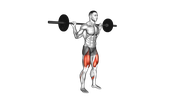
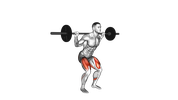
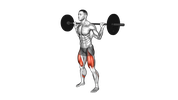
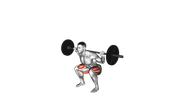
The Anderson Squat, also known as the pin squat, is a variation of the traditional squat where the barbell starts from a dead stop on safety pins or supports within a power rack. This exercise focuses on developing explosive strength from the bottom position, improving sticking points in the squat, and enhancing overall lower body power.
How to Perform
- Set the safety pins in a power rack at a height where your thighs are parallel to the ground when you are in the bottom squat position.
- Position the barbell on the safety pins and load it with an appropriate weight.
- Stand under the barbell, positioning it across your upper back, and set your feet shoulder-width apart.
- Engage your core and grip the bar firmly with both hands.
- Drive through your heels to lift the barbell off the pins, extending your hips and knees until you reach a standing position.
- Pause briefly at the top, then lower the barbell back to the pins with control.
- Reset your position and repeat for the desired number of repetitions.
What Muscles Work
Primary Muscle:
Secondary Muscles:
Tips
- Focus on maintaining a strong core throughout the lift to ensure stability and prevent injury.
- Use a controlled tempo when lowering the barbell back to the pins to maximize muscle engagement.
- Start with a lighter weight to master proper form before progressing to heavier loads.
- Ensure your feet are firmly planted and drive through your heels to maximize power output.
- Keep your chest up and shoulders back to maintain proper posture during the lift.
- Practice breathing techniques: inhale before lifting off the pins and exhale as you complete the lift.
Common Mistakes
- Starting with the bar too high, leading to improper depth and reduced range of motion.
- Failing to maintain a neutral spine, increasing the risk of lower back strain.
- Allowing knees to cave inward, which can lead to knee joint stress.
- Not engaging the core, resulting in poor stability and control.
- Using momentum to lift the bar instead of controlled muscle engagement.
- Improper foot positioning, causing imbalance and ineffective force distribution.
- Rounding the shoulders forward, compromising upper back engagement.
- Neglecting to set the safety pins at the correct height, affecting starting position.
Recommended Exercises
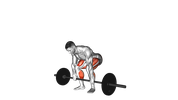
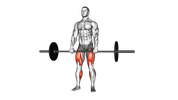
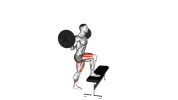
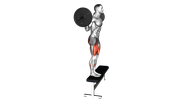
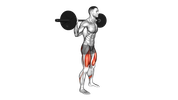
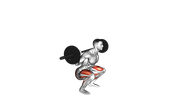
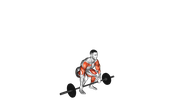
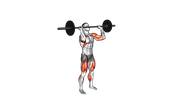
Explore exercises related to Anderson Squat for legs training and similar movement patterns.
Choose a workout plan or create your own - for free
Ready-made plans for every goal, a free plan creator, hundreds of exercises and an advanced workout journal - all in SmartWorkout.


Start with a free plan. Keep progressing with SmartWorkout.
- users
- 200k+
- exercises with technique guides
- 1,000+
- workouts on the free plan
- ∞