Dumbbell Jump
PlyometricExplosiveBalance
Track Dumbbell Jump in SmartWorkout and watch your numbers go up
Log sets, weights and progress for free, with no workout limits.


Body Part: Legs
Description
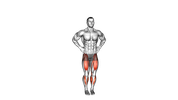
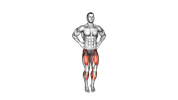
The Dumbbell Jump is a dynamic exercise that combines strength and plyometrics to enhance explosive power, particularly in the lower body. It primarily targets the quadriceps, hamstrings, glutes, and calves while also engaging the core for stability.
How to Perform
- Begin by standing with your feet shoulder-width apart, holding a dumbbell in each hand at your sides.
- Engage your core and keep your chest up as you bend your knees and lower into a squat position.
- Explosively push through your heels to jump upwards as high as possible.
- As you jump, keep the dumbbells at your sides without swinging them.
- Land softly on the balls of your feet, immediately bending your knees to absorb the impact and return to the squat position.
- Repeat for the desired number of repetitions.
What Muscles Work
Primary Muscle:
Secondary Muscles:
Tips
- Ensure that your knees do not extend past your toes during the squat to protect your joints.
- Maintain a neutral spine throughout the movement to avoid back strain.
- Focus on a controlled descent when landing to minimize impact on your joints.
- Start with lighter weights to master form before progressing to heavier dumbbells.
- Keep your movements smooth and controlled, avoiding any jerking motions.
- Breathe in as you lower into the squat and exhale forcefully as you jump.
Common Mistakes
- Using too much weight, causing loss of control and improper form.
- Not keeping the core engaged, leading to instability during the jump.
- Failing to maintain a neutral spine, increasing the risk of back strain.
- Landing with locked knees, which can lead to joint stress.
- Allowing the dumbbells to swing, reducing control and effectiveness.
- Not using a full range of motion, limiting muscle activation.
- Jumping with the feet too close together, affecting balance and power.
- Neglecting to bend the knees adequately during the landing phase.
Recommended Exercises
Explore exercises related to Dumbbell Jump for legs training and similar movement patterns.
Choose a workout plan or create your own - for free
Ready-made plans for every goal, a free plan creator, hundreds of exercises and an advanced workout journal - all in SmartWorkout.


Start with a free plan. Keep progressing with SmartWorkout.
- users
- 200k+
- exercises with technique guides
- 1,000+
- workouts on the free plan
- ∞