Kettlebell Rear Lunge
StrengthBalanceFunctional
Track this exercise in SmartWorkout
Log sets, weights and progress for free, with no workout limits.


Body Part: Legs
Description
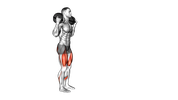
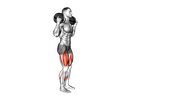
The Kettlebell Rear Lunge is a compound exercise that targets the lower body, particularly the quadriceps, hamstrings, glutes, and calves. It also engages the core for stability. This exercise involves stepping backward into a lunge position while holding a kettlebell, which adds resistance and challenges balance.
How to Perform
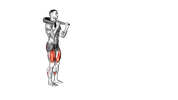
- Stand upright with feet hip-width apart, holding a kettlebell in one hand at shoulder height or with both hands in front of your chest.
- Engage your core and keep your chest up.
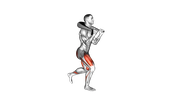
- Step back with one leg, lowering your hips until both knees are bent at approximately 90 degrees. The front knee should be directly above the ankle.
- Ensure the back knee hovers just above the ground without touching it.
- Push through the heel of the front foot to return to the starting position.
- Repeat for the desired number of repetitions before switching legs.
What Muscles Work
Primary Muscle:
Secondary Muscles:
Tips
- Maintain an upright posture throughout the movement to protect your lower back.
- Focus on keeping your core engaged to improve balance and stability.
- Ensure that your front knee does not extend past your toes to prevent strain on the knee joint.
- Use a controlled motion when stepping back and returning to the starting position to maximize muscle engagement.
- Start with a lighter kettlebell if you're new to this exercise to master proper form before increasing weight.
Common Mistakes
- Allowing the front knee to cave inward, reducing stability and increasing stress on the knee joint.
- Holding the kettlebell too far from the body, causing imbalance and unnecessary strain on the shoulders.
- Stepping back too shallow, limiting range of motion and muscle engagement.
- Failing to keep the chest up, leading to a rounded back and poor posture.
- Not engaging the core, resulting in a lack of stability and control.
- Letting the back knee touch the ground, which can lead to loss of control and potential injury.
- Pushing off the toes of the back foot instead of using the heel of the front foot, reducing power and effectiveness.
- Rushing through the movement without proper control, increasing the risk of losing balance.
- Allowing the kettlebell to swing excessively, which can disrupt balance and form.
Recommended Exercises
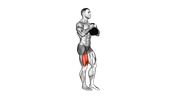
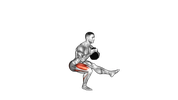
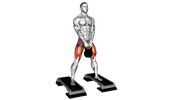
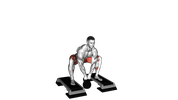
Explore exercises related to Kettlebell Rear Lunge for legs training and similar movement patterns.
Choose a workout plan or create your own - for free
Ready-made plans for every goal, a free plan creator, hundreds of exercises and an advanced workout journal - all in SmartWorkout.


Start with a free plan. Keep progressing with SmartWorkout.
- users
- 200k+
- exercises with technique guides
- 1,000+
- workouts on the free plan
- ∞