Nordic Hamstring Curl
StrengthRehabilitationFunctional
Track Nordic Hamstring Curl in SmartWorkout and watch your numbers go up
Log sets, weights and progress for free, with no workout limits.


Body Part: Legs
Description
The Nordic Hamstring Curl is a bodyweight exercise targeting the hamstrings, focusing on eccentric strength development. It involves lowering the body from a kneeling position while keeping the upper body straight, using the hamstrings to control the descent.
How to Perform
- Kneel on a soft surface with your feet secured under a stable object or held by a partner.
- Keep your body straight from your head to your knees.
- Cross your arms over your chest or place them at your sides.
- Slowly lean forward, keeping your back straight and engaging your core.
- Lower yourself as far as you can while maintaining control, then push back up to the starting position.
What Muscles Work
Primary Muscle:
Secondary Muscles:
Tips
- Ensure your feet are securely anchored to prevent slipping.
- Focus on controlling the descent to maximize eccentric loading of the hamstrings.
- If you struggle to return to the starting position, use your hands to lightly push off the ground.
- Maintain a straight line from head to knees throughout the movement to avoid unnecessary strain on the lower back.
- Start with partial range of motion if full range is too challenging, and gradually increase as strength improves.
Common Mistakes
- Hips sagging forward instead of maintaining a straight line from knees to shoulders.
- Using arms to push off the ground instead of relying on hamstring strength.
- Failing to control the descent, leading to a rapid drop and potential strain.
- Not engaging the core, resulting in an arched back and reduced hamstring activation.
- Allowing knees to flare out instead of keeping them aligned with hips.
- Starting with feet too far apart, causing instability and improper form.
- Bending at the waist rather than hinging at the knees.
- Not lowering the body fully, limiting the range of motion and effectiveness.
- Raising shoulders or head, disrupting the body's alignment.
Recommended Exercises
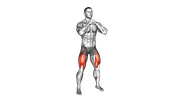
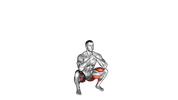
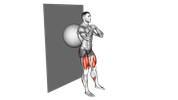
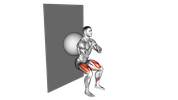
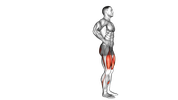
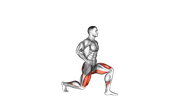
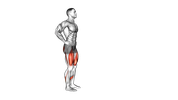
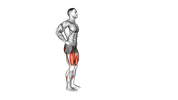
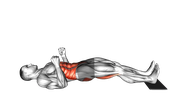
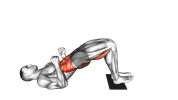
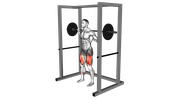
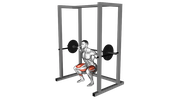
Explore exercises related to Nordic Hamstring Curl for legs training and similar movement patterns.
Choose a workout plan or create your own - for free
Ready-made plans for every goal, a free plan creator, hundreds of exercises and an advanced workout journal - all in SmartWorkout.


Start with a free plan. Keep progressing with SmartWorkout.
- users
- 200k+
- exercises with technique guides
- 1,000+
- workouts on the free plan
- ∞