Side Lunges
enums.exercise_tag.STRENGTHenums.exercise_tag.MOBILITYenums.exercise_tag.BALANCEenums.exercise_tag.FUNCTIONAL
exercise_detail.body_part: enums.body_part.LEGS
exercise_detail.description
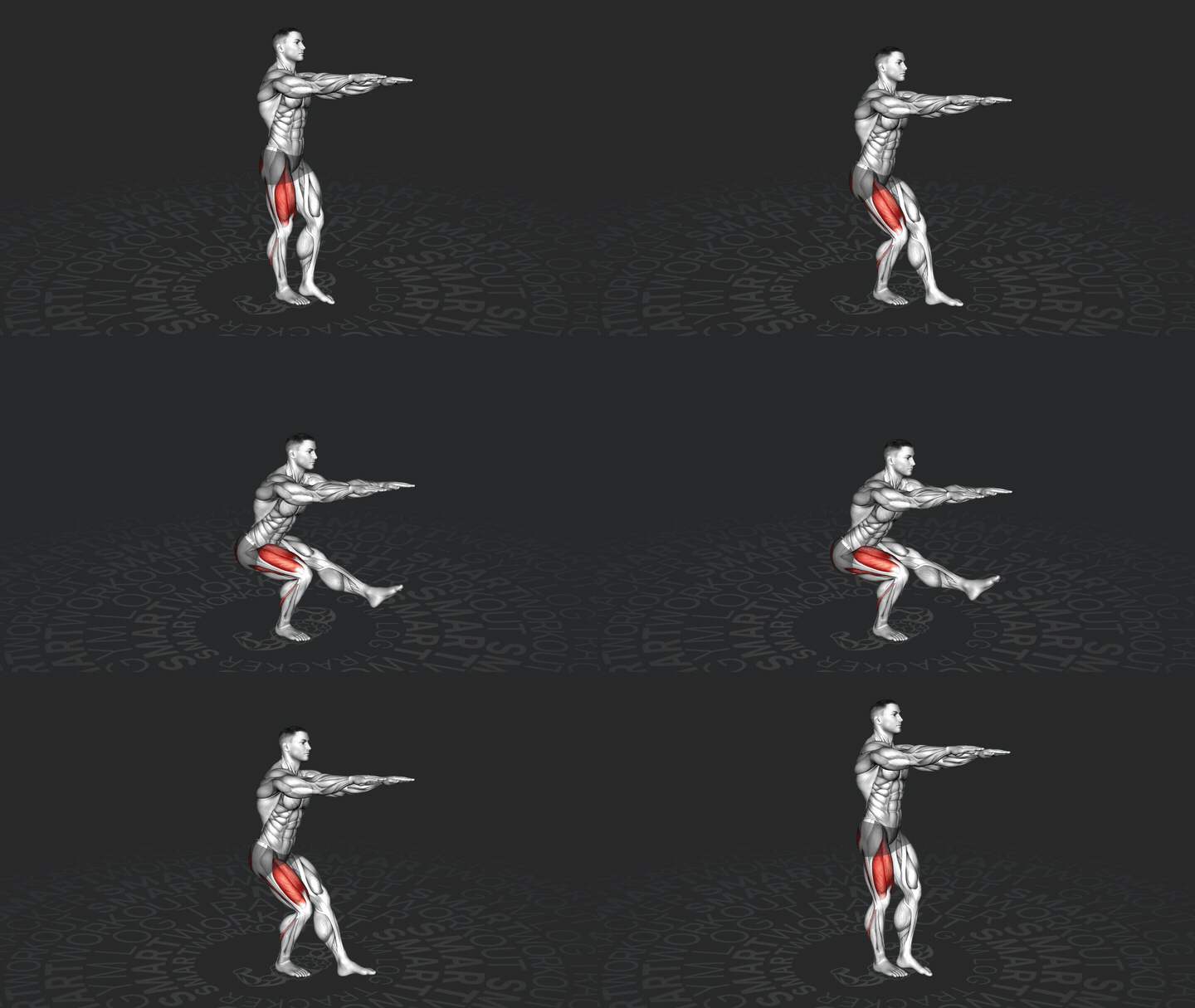
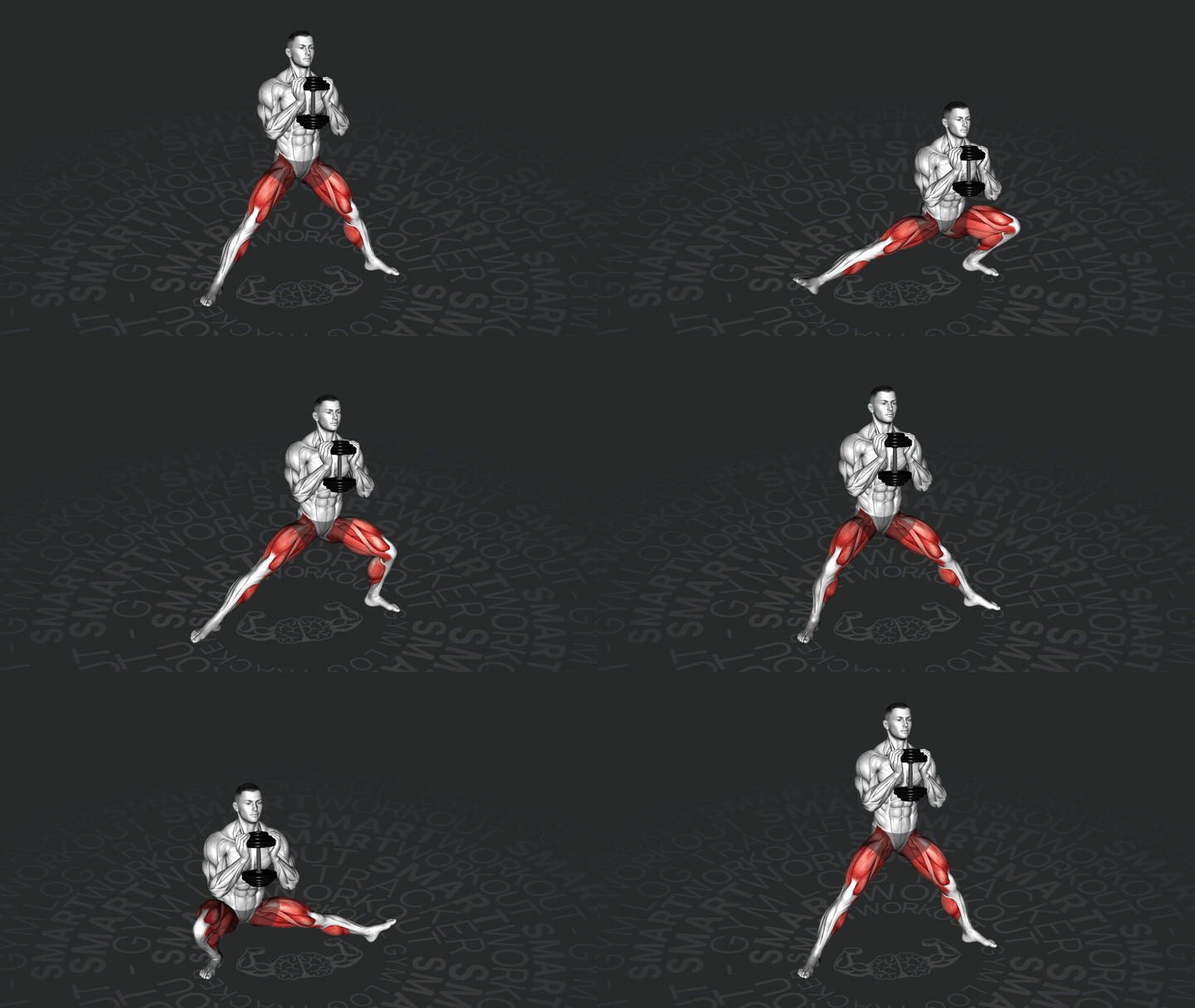
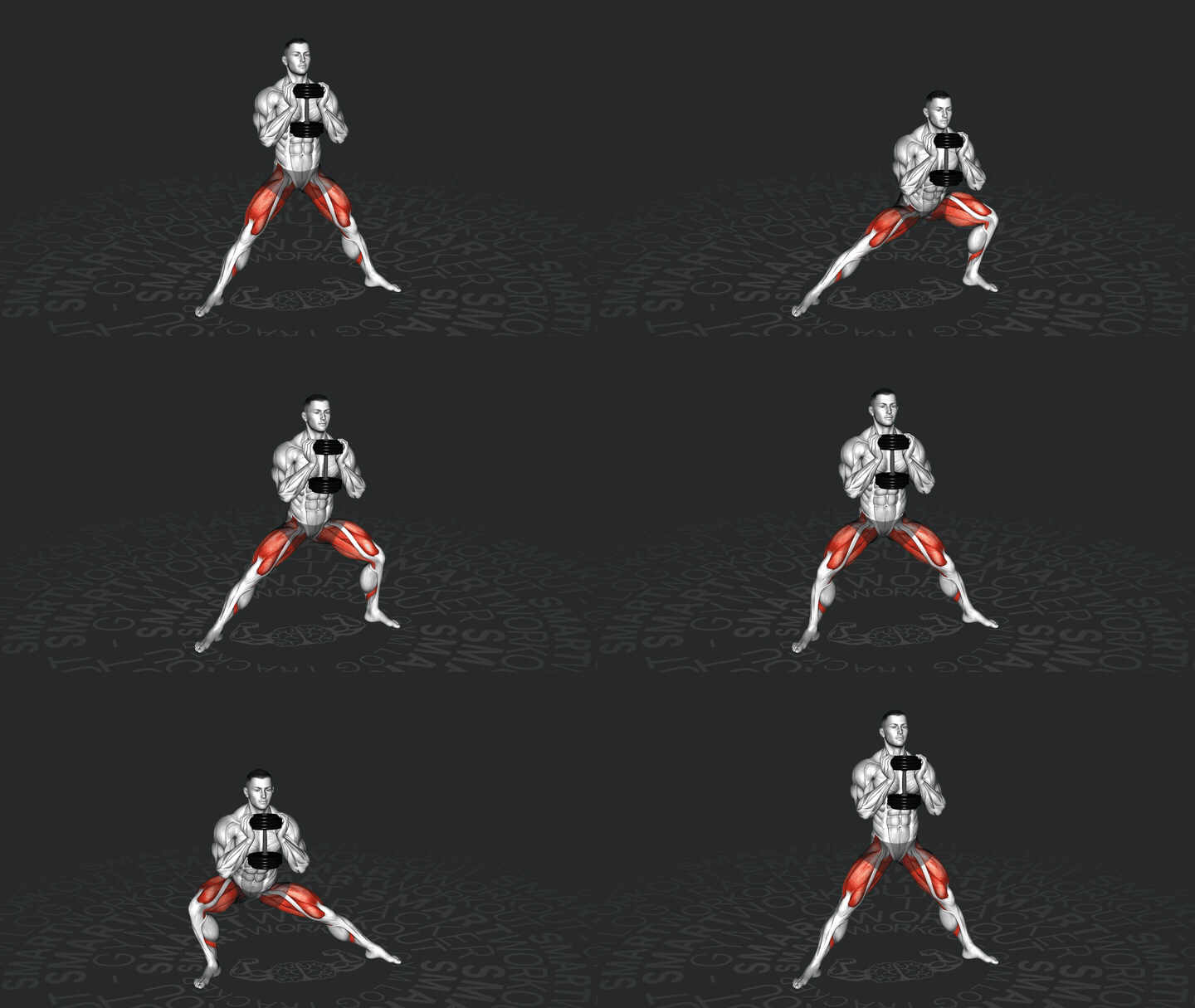
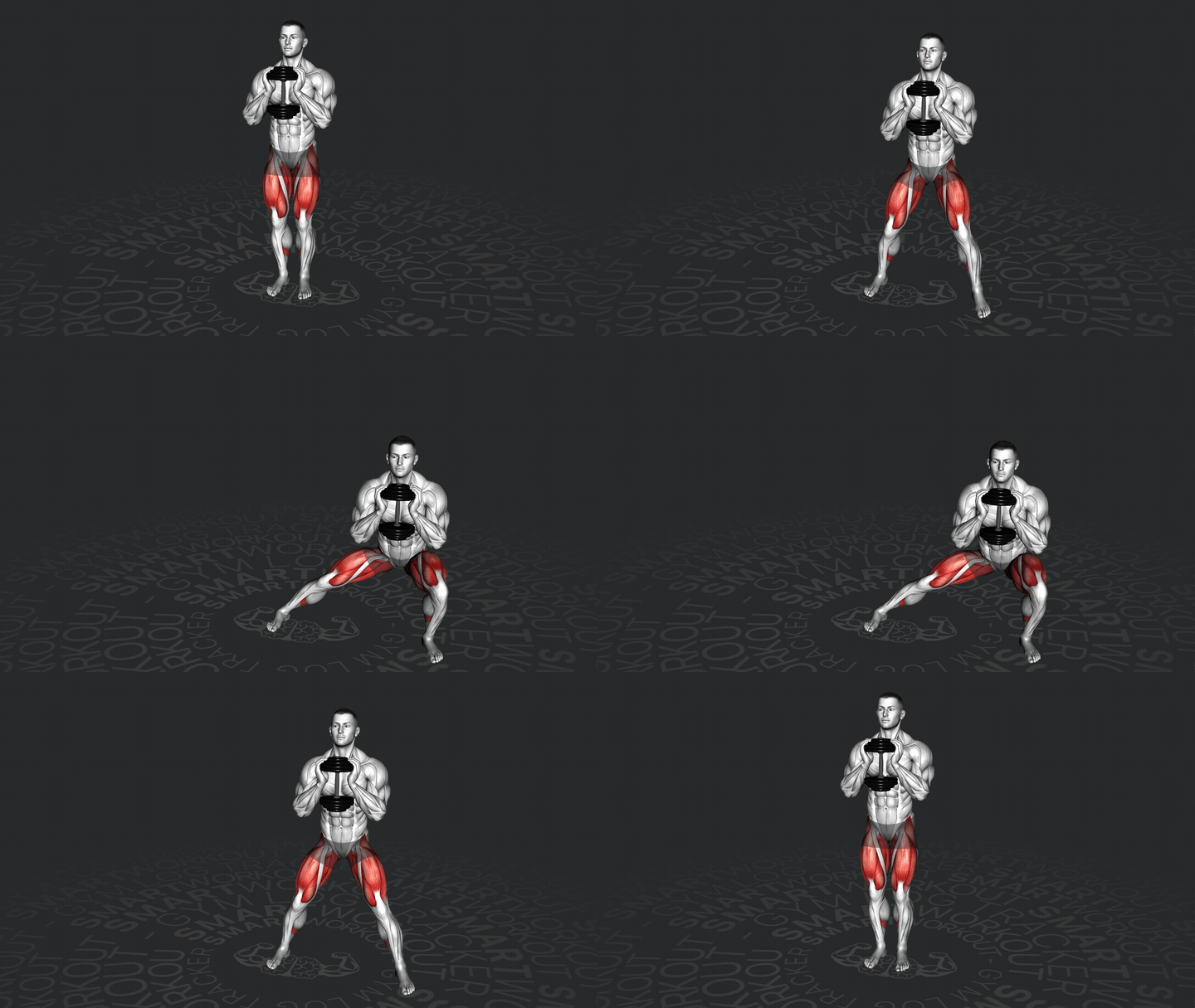
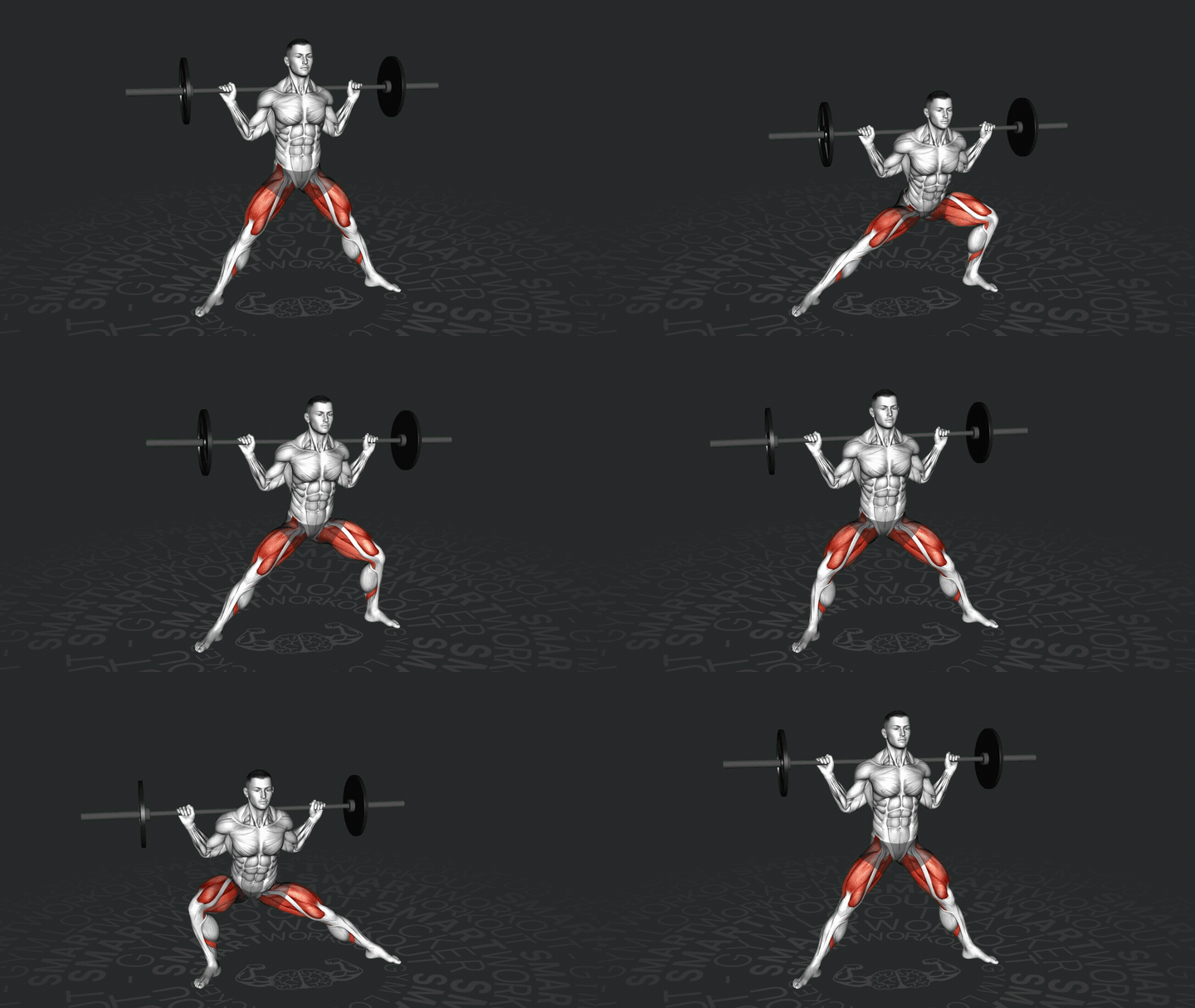
Side lunges, also known as lateral lunges, are a lower body exercise that targets the quadriceps, hamstrings, glutes, and adductors. This movement enhances balance, flexibility, and strength by engaging multiple muscle groups and stabilizing muscles.
exercise_detail.how_to_perform
- Stand with your feet hip-width apart and your hands on your hips or clasped in front of your chest.
- Take a large step to the right, bending your right knee while keeping your left leg straight.
- Lower your hips down and back as if sitting into a chair, ensuring your right knee does not extend past your toes.
- Keep your chest up and core engaged throughout the movement.
- Push off with your right foot to return to the starting position.
- Repeat on the left side.
exercise_detail.what_muscles_work
exercise_detail.primary_muscle:
exercise_detail.secondary_muscles:
exercise_detail.tips
- Maintain a neutral spine by keeping your back straight and chest lifted.
- Focus on pushing through the heel of the bent leg to engage the glutes effectively.
- Ensure that your knee is aligned with your toes to prevent strain on the joint.
- Start with a smaller step if you're new to this exercise to maintain balance and control.
- Inhale as you step out and exhale as you push back to the starting position.
exercise_detail.common_mistakes
- Knee collapsing inward during the lunge, increasing strain on the knee joint.
- Not keeping the chest up and shoulders back, leading to a rounded back.
- Stepping too far to the side, causing loss of balance and control.
- Allowing the heel of the lunging leg to lift off the ground, reducing stability.
- Failing to push the hips back, which limits glute and hamstring engagement.
- Not bending the knee enough, resulting in insufficient range of motion.
- Leaning too far forward, shifting weight onto the toes instead of the heel.
- Rushing through the movement, compromising form and muscle engagement.
- Not keeping the non-lunging leg straight, reducing the stretch and effectiveness.
exercise_detail.recommended_exercises
exercise_detail.recommended_exercises_intro
exercise_detail.app_ad.title
exercise_detail.app_ad.description