Dumbbell Side Lunges
StrengthMobilityBalanceFunctional
Track this exercise in SmartWorkout
Log sets, weights and progress for free, with no workout limits.


Body Part: Legs
Description
Dumbbell Side Lunges target the muscles of the lower body, including the quadriceps, hamstrings, glutes, and inner thighs. This exercise enhances balance, stability, and lateral movement strength.
How to Perform
- Stand upright with feet hip-width apart, holding a dumbbell in each hand at your sides.
- Step out to the right side with your right foot, bending your right knee while keeping your left leg straight.
- Lower your hips back and down as you lunge, ensuring your right knee does not extend past your toes.
- Keep your chest up and core engaged throughout the movement.
- Push through your right foot to return to the starting position.
- Repeat on the left side, stepping out with your left foot.
- Continue alternating sides for the desired number of repetitions.
What Muscles Work
Primary Muscle:
Secondary Muscles:
Tips
- Maintain a straight back and avoid leaning forward during the lunge.
- Ensure your knees are aligned with your toes to prevent injury.
- Start with lighter weights to focus on form before increasing resistance.
- Engage your core muscles to maintain balance and stability.
- Control the movement speed; avoid rushing through reps for better muscle engagement.
- Keep breathing steadily; exhale as you push back to the starting position.
Common Mistakes
- Leaning too far forward, causing strain on the lower back.
- Allowing the knee to extend beyond the toes, increasing knee stress.
- Failing to keep the chest up, leading to poor posture.
- Not engaging the core, resulting in loss of balance.
- Using too heavy dumbbells, compromising form and control.
- Not stepping wide enough, limiting range of motion.
- Letting the trailing leg collapse inward, reducing stability.
- Pushing off with the wrong foot, causing uneven muscle engagement.
- Neglecting to keep the front foot flat, affecting balance.
- Rushing the movement, sacrificing control and effectiveness.
Recommended Exercises
Explore exercises related to Dumbbell Side Lunges for legs training and similar movement patterns.

Choose a workout plan or create your own - for free
Ready-made plans for every goal, a free plan creator, hundreds of exercises and an advanced workout journal - all in SmartWorkout.


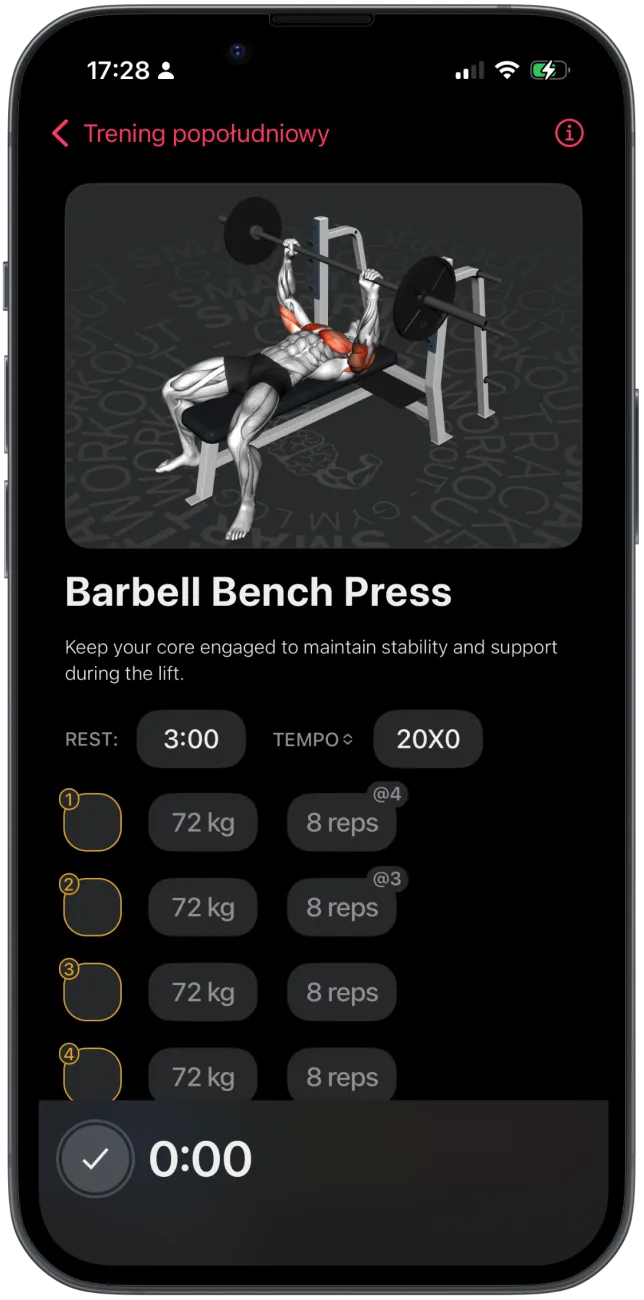
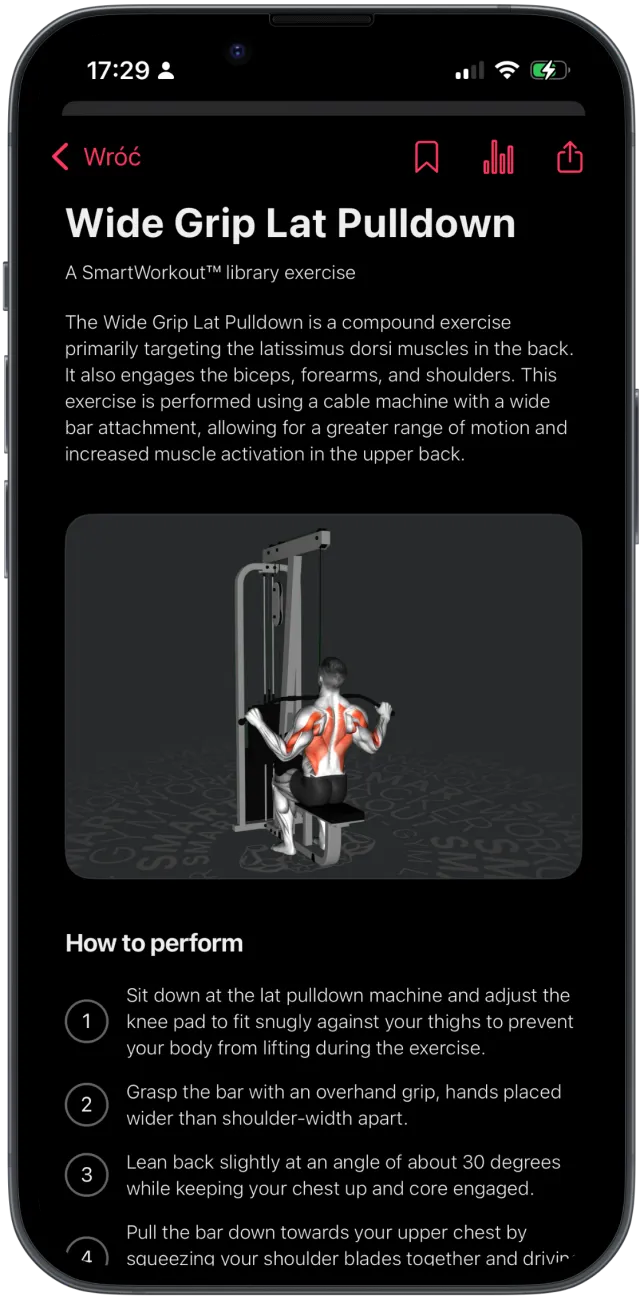
Start with a free plan. Keep progressing with SmartWorkout.
- users
- 200k+
- exercises with technique guides
- 1,000+
- workouts on the free plan
- ∞