Pin Front Squat
StrengthFunctional
Track this exercise in SmartWorkout
Log sets, weights and progress for free, with no workout limits.


Body Part: Legs
Description
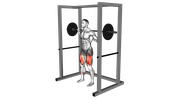
The Pin Front Squat is a variation of the traditional front squat where the barbell is set on safety pins within a power rack. This exercise emphasizes quadriceps strength, core stability, and proper squat mechanics by limiting the range of motion and allowing for a controlled pause at the bottom position.
How to Perform
- Set the safety pins in a power rack at a height that allows you to squat to parallel or slightly below.
- Position the barbell on the safety pins and stand with your feet shoulder-width apart.
- Grip the barbell with an overhand grip, elbows pointing forward, and position it across your shoulders, resting on your deltoids.
- Engage your core and lift the barbell off the pins by extending your legs to stand up straight.
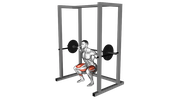
- Initiate the squat by bending at the hips and knees, lowering your body until the barbell lightly touches the pins.
- Pause briefly at the bottom, maintaining tension in your muscles.
- Drive through your heels to extend your hips and knees, returning to a standing position.
What Muscles Work
Primary Muscle:
Secondary Muscles:
Tips
- Ensure that your elbows remain high throughout the movement to keep the barbell stable on your shoulders.
- Focus on maintaining an upright torso to prevent leaning forward excessively.
- Use a controlled tempo when lowering into the squat to maximize muscle engagement.
- Keep your core tight throughout the exercise to support your lower back and maintain balance.
- Adjust the pin height based on your flexibility and comfort level to ensure proper depth without compromising form.
Common Mistakes
- Allowing the elbows to drop, causing the bar to roll forward and lose control.
- Not engaging the core, leading to a loss of stability and potential back strain.
- Failing to maintain an upright torso, resulting in excessive forward lean.
- Starting the squat too low, causing the pins to interfere with the movement.
- Using a grip that's too wide or too narrow, affecting bar stability and control.
- Descending too quickly, which can lead to bouncing off the pins and loss of form.
- Not setting the pins at the correct height, leading to incomplete range of motion.
- Neglecting to keep the knees aligned with the toes, increasing knee stress.
- Rising unevenly, which can cause imbalance and shift the weight improperly.
Recommended Exercises
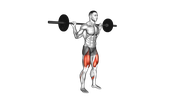
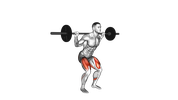
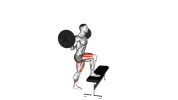
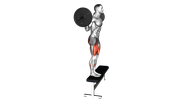
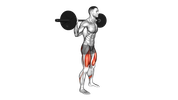
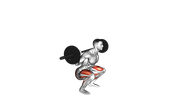
Explore exercises related to Pin Front Squat for legs training and similar movement patterns.
Choose a workout plan or create your own - for free
Ready-made plans for every goal, a free plan creator, hundreds of exercises and an advanced workout journal - all in SmartWorkout.


Start with a free plan. Keep progressing with SmartWorkout.
- users
- 200k+
- exercises with technique guides
- 1,000+
- workouts on the free plan
- ∞