Snatch Pull
Track Snatch Pull in SmartWorkout and watch your numbers go up
Log sets, weights and progress for free, with no workout limits.


Description
The Snatch Pull is a weightlifting exercise that focuses on developing explosive power, strength, and technique for the snatch lift. It targets the posterior chain, including the hamstrings, glutes, lower back, traps, and shoulders. This exercise is crucial for improving the second pull phase of the snatch by emphasizing speed and power through the hips and legs.
How to Perform
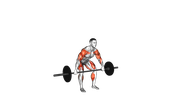
- Start by standing with your feet hip-width apart, with the barbell over your mid-foot.
- Bend at the hips and knees to grip the barbell with a wide, overhand grip.
- Set your back by retracting your shoulder blades and engaging your core.
- Initiate the lift by extending your knees and hips simultaneously, keeping the bar close to your body.
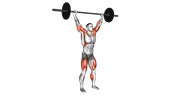
- As the bar passes your knees, explosively extend your hips and knees while shrugging your shoulders upward.
- Keep your arms straight until you reach full extension, then allow a slight bend as you pull the bar to chest height.
- Control the bar back to the starting position for the next repetition.
What Muscles Work
Primary Muscle:
Secondary Muscles:
Tips
- Focus on maintaining a strong back position throughout the lift to prevent injury.
- Keep the barbell close to your body to maximize power transfer.
- Use a hook grip for better control of the barbell during explosive movements.
- Engage your core muscles to stabilize your torso during the lift.
- Practice with lighter weights to perfect technique before increasing load.
- Visualize driving through your heels to generate maximum force from the ground up.
- Ensure a smooth transition from knee extension to hip extension for optimal power output.
Common Mistakes
- Starting with hips too high, leading to poor leverage and reduced power.
- Rounding the back, increasing the risk of lower back strain.
- Pulling with the arms too early, reducing the effectiveness of the leg and hip drive.
- Not fully extending the hips, limiting the power transfer from the lower body.
- Allowing the bar to drift away from the body, causing imbalance and inefficiency.
- Neglecting to engage the core, leading to instability during the lift.
- Failing to keep elbows high and outside, compromising the bar path.
- Using an incorrect grip width, affecting the lift's mechanics and range of motion.
- Rushing the lift, sacrificing control and technique for speed.
Recommended Exercises
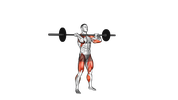
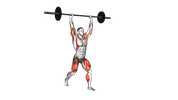
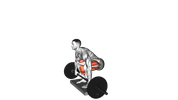
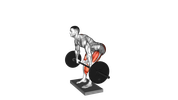
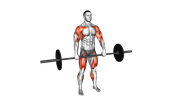
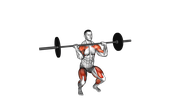
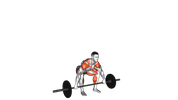
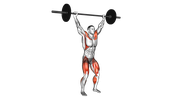
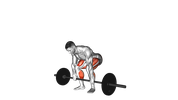
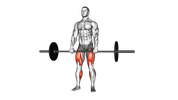
Explore exercises related to Snatch Pull for legs training and similar movement patterns.
Choose a workout plan or create your own - for free
Ready-made plans for every goal, a free plan creator, hundreds of exercises and an advanced workout journal - all in SmartWorkout.


Start with a free plan. Keep progressing with SmartWorkout.
- users
- 200k+
- exercises with technique guides
- 1,000+
- workouts on the free plan
- ∞