Battle Ropes
Track Battle Ropes in SmartWorkout and watch your numbers go up
Log sets, weights and progress for free, with no workout limits.


Description
Stand with feet shoulder-width apart, knees slightly bent, and core braced while holding one end of a rope in each hand. Keep your chest up and shoulders down, then create alternating or simultaneous waves by moving your arms forcefully up and down. Maintain a stable torso and avoid rounding your back. Use controlled, rhythmic movements and adjust the pace or wave size to match your fitness level.
How to Perform
- Secure the battle rope around a stable anchor point and stand facing the anchor with one rope end in each hand.
- Walk backward until there is light tension in the ropes, then place your feet about shoulder-width apart with your knees softly bent.
- Hinge slightly at the hips, keep your chest lifted, brace your core, and maintain a neutral spine.
- Hold the rope ends with an overhand grip, keeping your arms extended slightly in front of your body without locking your elbows.
- Create alternating waves by quickly lifting one hand as you lower the other, driving the movement from your shoulders and arms while keeping your torso stable.
- Continue producing even, controlled waves that travel from your hands to the anchor point without allowing excessive slack in the ropes.
- Breathe steadily throughout the set and keep your knees bent to absorb the movement rather than rounding your back or shrugging your shoulders.
- To finish, gradually reduce the speed and size of the waves, then stand upright and place the ropes down under control.
What Muscles Work
Primary Muscle:
Secondary Muscles:
Tips
- Choose ropes with a length and thickness appropriate for your strength level, and anchor them securely to a heavy fixed point before starting.
- Stand with feet about shoulder-width apart, knees slightly bent, hips back, and keep your chest tall with a neutral spine.
- Grip the rope ends firmly without squeezing excessively, keeping your shoulders down away from your ears.
- Generate the movement from your shoulders and arms while maintaining a stable torso; avoid rounding your back or twisting uncontrollably.
- For alternating waves, move one arm up as the other arm moves down, creating consistent waves that travel all the way to the anchor point.
- For double-arm waves, raise and lower both arms together while keeping the knees soft and using a small athletic bounce if needed.
- Keep the range of motion controlled and avoid lifting the arms excessively high, especially if it causes shoulder discomfort.
- Maintain steady breathing by exhaling during the effort and avoid holding your breath during intense intervals.
- Start with short work intervals, such as 15 to 30 seconds, and focus on clean, continuous waves before increasing speed or duration.
- Stop or reduce intensity if you feel sharp pain in the shoulders, elbows, wrists, lower back, or knees.
Common Mistakes
- Using only the arms instead of driving the ropes from the shoulders, back, and legs
- Standing too upright or locking the knees instead of maintaining a stable athletic stance
- Letting the lower back arch or rounding the torso while creating waves
- Using ropes that are too slack, which prevents consistent waves from traveling to the anchor
- Making small, weak waves instead of using a controlled full range of motion
- Lifting the shoulders toward the ears and keeping the neck tense
- Moving both arms out of sync when performing alternating waves
- Slamming the ropes without controlling the return phase
- Allowing the hips and torso to twist excessively during double-arm waves
- Losing rhythm and letting the rope waves become uneven or stop before reaching the anchor
Recommended Exercises
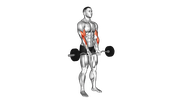
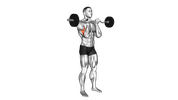
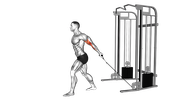
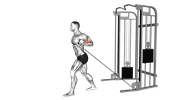
Explore exercises related to Battle Ropes for biceps training and similar movement patterns.
Choose a workout plan or create your own - for free
Ready-made plans for every goal, a free plan creator, hundreds of exercises and an advanced workout journal - all in SmartWorkout.