Yates Row
Track Yates Row in SmartWorkout and watch your numbers go up
Log sets, weights and progress for free, with no workout limits.


Description
This exercise targets the upper back, specifically the lats, rhomboids, and traps, while also engaging the biceps and rear deltoids. To perform, stand with feet shoulder-width apart, bend at the hips until your torso is nearly parallel to the floor, keeping your back straight. Grip a barbell with an underhand (supinated) grip, hands slightly wider than shoulder-width. Pull the barbell towards your lower abdomen, squeezing your shoulder blades together at the top of the movement. Lower the barbell under control to the starting position. Maintain a tight core and avoid using momentum to ensure proper muscle activation and reduce injury risk. This exercise enhances back thickness and strength.
How to Perform
- Stand with your feet shoulder-width apart and hold a barbell with an underhand grip, hands slightly wider than shoulder-width.
- Bend your knees slightly and hinge forward at the hips, keeping your back straight and chest up, until your torso is nearly parallel to the floor.
- Let the barbell hang at arm's length in front of you with your arms fully extended.
- Engage your core and pull the barbell towards your lower chest or upper abdomen by bending your elbows and squeezing your shoulder blades together.
- Pause briefly at the top of the movement, ensuring your elbows stay close to your body.
- Slowly lower the barbell back to the starting position with controlled movement, fully extending your arms.
- Repeat the movement for the desired number of repetitions, maintaining proper form throughout.
What Muscles Work
Primary Muscle:
Secondary Muscles:
Tips
- Stand with your feet shoulder-width apart and hold the barbell with an underhand grip, hands slightly wider than shoulder-width.
- Bend your knees slightly and hinge forward at the hips, keeping your back straight and chest up throughout the movement.
- Pull the barbell towards your lower abdomen, squeezing your shoulder blades together at the top of the movement.
- Keep your elbows close to your body as you row the barbell upwards to maximize back engagement.
- Lower the barbell in a controlled manner until your arms are fully extended, maintaining tension in your back muscles.
- Avoid rounding your back or using momentum; focus on controlled, deliberate movements to prevent injury.
- Engage your core to stabilize your torso and protect your lower back during the exercise.
- Breathe out as you pull the barbell up and breathe in as you lower it back down.
- Start with a lighter weight to master proper form before progressing to heavier loads.
- Incorporate Yates Rows into your routine 1-2 times per week to build strength and thickness in your upper back.
Common Mistakes
- Using excessive momentum by swinging the torso to lift the weight
- Allowing the elbows to flare out too wide instead of keeping them close to the body
- Rounding the lower back instead of maintaining a neutral spine position
- Pulling the bar too high, beyond the lower ribs, reducing lat engagement
- Not fully retracting the shoulder blades at the top of the movement
- Using a grip that is too wide, which shifts focus away from the targeted muscles
- Performing the movement too quickly, sacrificing control and muscle activation
- Allowing the wrists to bend excessively, causing strain and reducing force transfer
- Not maintaining a slight bend in the knees, leading to poor stability
- Lowering the bar too quickly, losing tension on the muscles and increasing risk of strain
Recommended Exercises
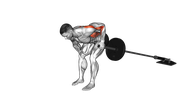
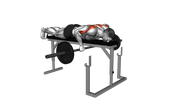
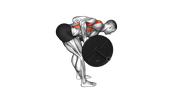
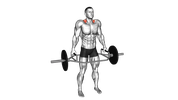
Explore exercises related to Yates Row for back training and similar movement patterns.
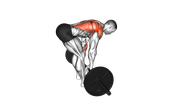
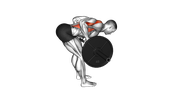

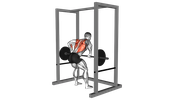

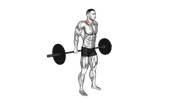





Choose a workout plan or create your own - for free
Ready-made plans for every goal, a free plan creator, hundreds of exercises and an advanced workout journal - all in SmartWorkout.


Start with a free plan. Keep progressing with SmartWorkout.
- users
- 200k+
- exercises with technique guides
- 1,000+
- workouts on the free plan
- ∞