Close Grip Bench Press
StrengthPush
Track this exercise in SmartWorkout
Log sets, weights and progress for free, with no workout limits.


Body Part: Triceps
Description
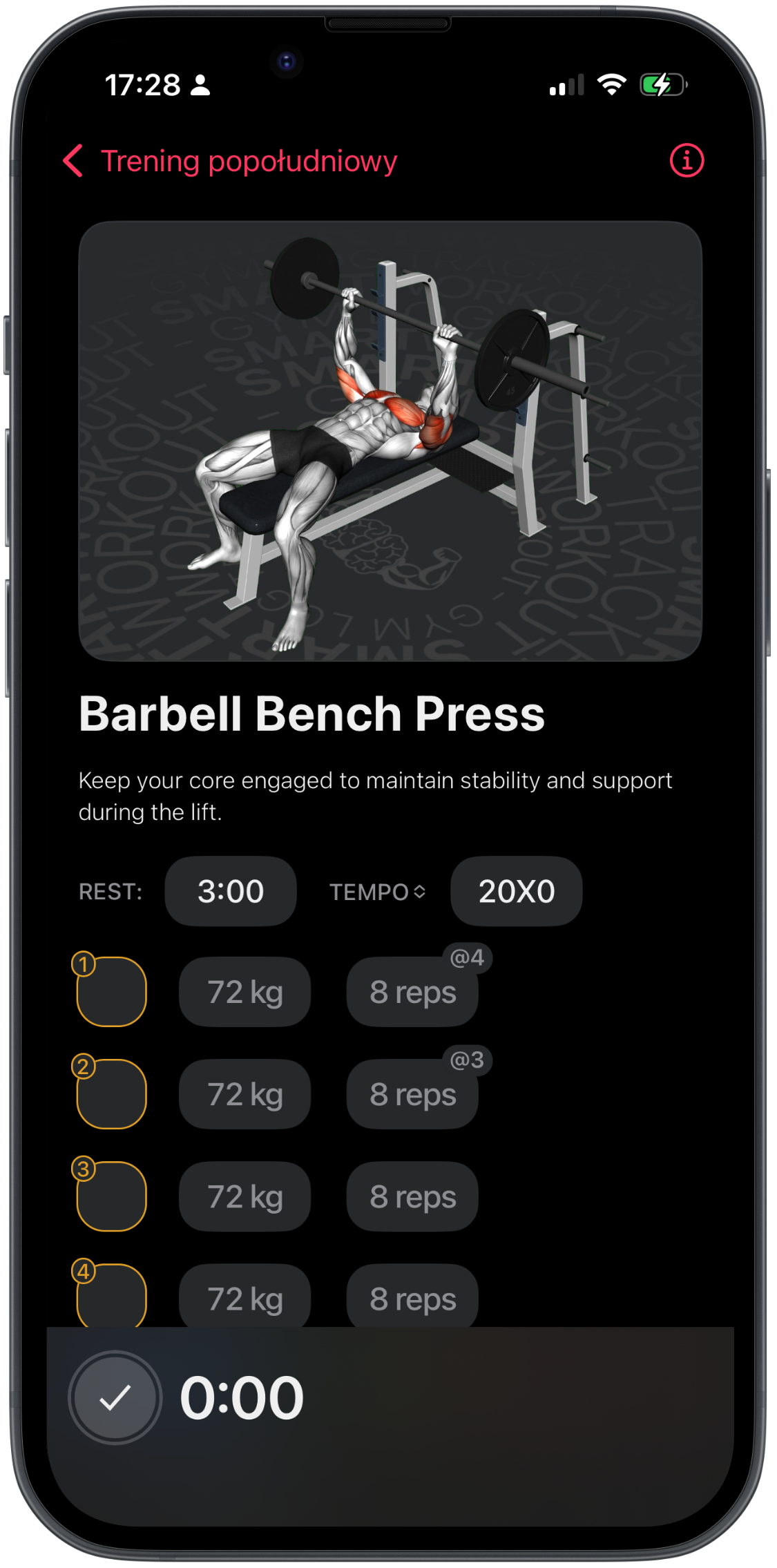
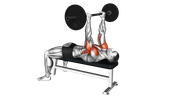
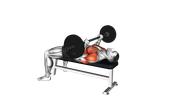
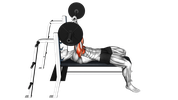
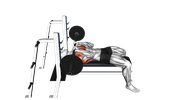
Lie on a flat bench with your feet planted firmly on the floor. Grip the barbell slightly narrower than shoulder width, keeping your wrists straight and elbows close to your torso. Unrack the bar and lower it under control to the lower chest, then press it back up by extending your elbows. Keep your shoulder blades retracted, chest lifted, and avoid flaring the elbows excessively.
How to Perform
- Set a barbell in a bench press rack at a height you can safely unrack while lying on a flat bench, then load the desired weight and secure the plates with collars.
- Lie on the bench with your eyes under the bar, feet planted firmly on the floor, and your head, upper back, and glutes in contact with the bench.
- Grip the bar with both hands approximately shoulder-width apart or slightly narrower, keeping your wrists straight and stacked over your forearms. Avoid an extremely narrow grip that causes wrist discomfort.
- Pull your shoulder blades back and down, brace your core, and create a stable upper-back position while maintaining a natural, slight arch in your lower back.
- Unrack the bar with straight arms and position it over your lower chest or upper abdomen, keeping your elbows close to your sides.
- Inhale and lower the bar under control toward your lower chest, allowing the elbows to bend backward at roughly a 30–45 degree angle from your torso.
- Lightly touch the bar to your chest without bouncing, then press it upward while exhaling, driving through your palms and keeping your elbows close to your body.
- Finish with the elbows extended without forcefully locking them out, stabilize the bar above your lower chest, and repeat for the desired number of repetitions before carefully returning the bar to the rack.
What Muscles Work
Primary Muscle:
Secondary Muscles:
Tips
- Use a grip slightly narrower than shoulder width; placing the hands extremely close together can stress the wrists and reduce control.
- Set your shoulder blades back and down against the bench, keep your chest lifted, and maintain a small natural arch in your lower back.
- Keep your feet firmly planted on the floor throughout the lift to create a stable base and avoid shifting on the bench.
- Lower the bar under control toward the lower chest or upper sternum, keeping the bar path steady and close to vertical.
- Keep your elbows tucked at roughly 30–45 degrees from your torso rather than letting them flare wide.
- Stack your wrists over your forearms and keep the wrists as neutral as possible; do not let the bar bend the wrists backward.
- Grip the bar tightly and use a full thumb wrap for better control and safety.
- Press the bar up by driving through the triceps while keeping the shoulders stable and avoiding excessive elbow flare near lockout.
- Do not bounce the bar off your chest; pause briefly or lightly touch the chest before pressing back up.
- Use a spotter or safety arms when training heavy, especially because the narrower grip can make the bar less stable.
- Start with a lighter load than your regular bench press and prioritize smooth, pain-free repetitions before adding weight.
- Stop the set if you feel sharp pain in the wrists, elbows, or shoulders, and adjust grip width or range of motion as needed.
Common Mistakes
- Grip is excessively narrow, forcing the wrists into extreme extension and making the bar unstable.
- Elbows flare wide to the sides instead of tracking relatively close to the torso.
- Wrists bend backward or sideways instead of staying stacked over the forearms.
- Lowering the bar too high on the chest or toward the neck rather than to the lower chest or upper sternum area.
- Bouncing the bar off the chest instead of pausing or controlling the descent.
- Using a partial range of motion by stopping short of the chest or failing to fully extend the elbows.
- Losing upper-back tension and allowing the shoulders to roll forward at the bottom.
- Raising the shoulders off the bench or shrugging them toward the ears during the press.
- Letting the hips lift excessively off the bench to compensate for insufficient pressing strength.
- Allowing the bar to drift forward or backward instead of pressing in a controlled, consistent bar path.
- Relaxing the triceps at lockout and losing control of the bar between repetitions.
- Using momentum or uneven pressing, causing one side of the bar to rise faster than the other.
Recommended Exercises
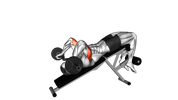
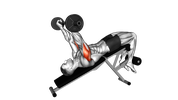
Explore exercises related to Close Grip Bench Press for triceps training and similar movement patterns.
Choose a workout plan or create your own - for free
Ready-made plans for every goal, a free plan creator, hundreds of exercises and an advanced workout journal - all in SmartWorkout.